
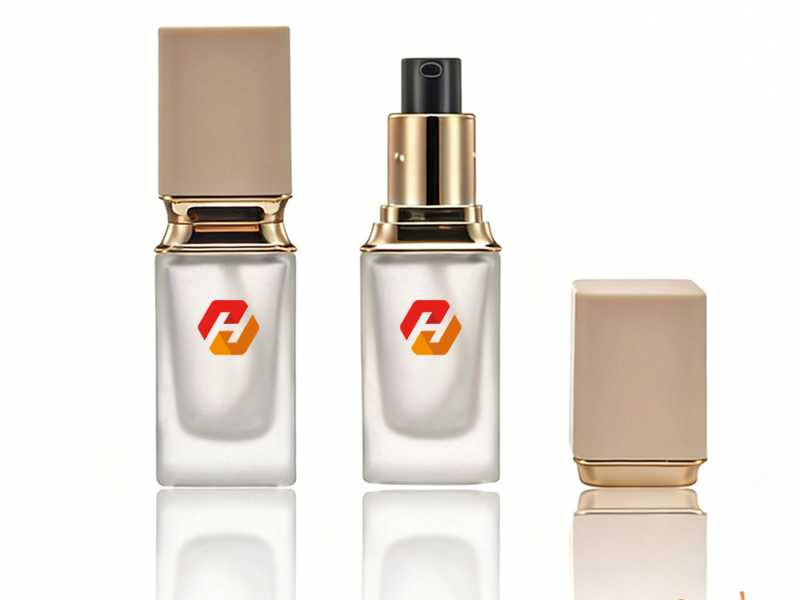
The global beauty landscape is undergoing a massive transformation as we approach 2026. Skincare brands are now prioritizing functional innovation and environmental stewardship. Finding the best cosmetic packaging has become a vital strategy for long-term success.
Market data suggests the skincare packaging sector will reach $31.68 billion by 2026. This growth is largely driven by the demand for “clean beauty” and high-potency actives. Consumers are no longer satisfied with simple containers that only look pretty on a shelf.
They now look for evidence of sustainability and hygiene in every purchase. Modern best cosmetic packaging must serve as both a shield for the formula and a statement of brand ethics. The industry is moving away from single-use plastics toward more circular and durable solutions.
What defines the best cosmetic packaging for skincare in 2026?
The best cosmetic packaging in 2026 is defined by its ability to preserve product efficacy while minimizing environmental waste. Advanced formulations today often include volatile ingredients like Vitamin C or fermentation-based actives. These components can lose their strength if they are exposed to oxygen, light, or bacteria.
High-quality packaging acts as a precise delivery system that maintains formula stability from the first drop to the last. For many prestige brands, this means moving toward medical-grade materials and airless mechanisms. These systems ensure that the user gets the maximum benefit from their investment.
Sustainability is the second major pillar defining the best cosmetic packaging standards. Regulations in 2026 are increasingly strict regarding the use of virgin plastics in consumer goods. Brands are now measured by their “plastic footprint” and their commitment to recyclability.
Using high percentages of post-consumer recycled (PCR) content is no longer an optional feature. It has become a baseline expectation for any brand claiming to be contemporary or luxury. The best cosmetic packaging successfully integrates these recycled materials without sacrificing the tactile feel or visual appeal.
Finally, the user experience must be seamless and intuitive for the modern consumer. Packaging that is difficult to open or prone to leaking will fail in the competitive 2026 market. The best cosmetic packaging combines ergonomics with aesthetic beauty to create a daily ritual that shoppers enjoy.
10 Best Cosmetic Packaging Trends Shaping the 2026 Industry
1. Refillable and Modular Systems
Refillable designs are arguably the most significant trend for the 2026 skincare market. These systems usually consist of a high-quality glass or metal outer shell and a replaceable plastic inner pod. This approach can reduce overall plastic waste by as much as 40% to 60% per unit.
2. High-Percentage PCR Integration
The use of Post-Consumer Recycled materials has evolved beyond basic utility. By 2026, many brands are achieving 75% to 100% PCR content in their bottles and tubes. This shift helps reduce the carbon emissions associated with manufacturing by nearly 30%.
3. All-Plastic Airless Pumps
Traditional airless pumps often use metal springs that complicate the recycling process. The best cosmetic packaging for 2026 features patented all-plastic airless mechanisms. These are fully recyclable in standard waste streams while providing the same vacuum protection.
4. Mono-Material Construction
Mono-material packaging uses a single type of plastic, such as Polypropylene (PP), for the entire assembly. This includes the cap, pump, and bottle body, making the whole item 100% recyclable. It eliminates the need for consumers to disassemble parts before disposal.
5. Smart Packaging with Integrated NFC
Technology is merging with physical containers through Near Field Communication (NFC) chips. By 2026, the best cosmetic packaging will allow users to tap their phones for authenticity checks. This tech also provides instant access to detailed ingredient sourcing and usage instructions.
6. Bio-based and Mycelium Materials
Innovation in bio-plastics has led to materials derived from sugarcane, corn, and even mushrooms. Mycelium-based secondary packaging is replacing traditional styrofoam and heavy cardboard. These materials are often compostable at home, leaving zero trace in the environment.
7. Aluminum Barrier Laminate (ABL) Tubes
Tubes are becoming more sophisticated with aluminum barrier layers that protect against oxidation. These ABL tubes offer the flexibility of plastic with the high-barrier properties of traditional metal. They are currently the best cosmetic packaging for concentrated serums and eye creams.
8. Lightweight Glass and Organic Inks
Glass remains a premium choice, but brands are now using “lightweighting” techniques to reduce shipping costs. Advanced manufacturing can reduce glass weight by 15% without compromising its structural strength. Decorations are now frequently made with water-based, non-toxic organic inks.
9. Ergonomic and Inclusive Design
Packaging in 2026 is designed to be accessible to everyone, including those with limited mobility. Easy-grip caps and one-touch dispensers are becoming standard features for top-tier skincare products. This focus on inclusivity broadens the brand’s appeal to a wider demographic.
10. Antimicrobial Surface Coatings
In a post-pandemic world, hygiene remains a top priority for consumers. Many of the best cosmetic packaging options now feature built-in antimicrobial properties. These coatings prevent the growth of mold and bacteria on the surface of jars and bottles.
Technical Requirements for Formula Stability
The technical performance of a container is what truly determines if it is the best cosmetic packaging. Active ingredients like Retinol and specific peptides are extremely sensitive to UV light exposure. If a brand uses a clear bottle for these actives, the product may become useless within weeks.
Choosing opaque or UV-coated materials is a scientific necessity for high-performance skincare. Compatibility testing is another critical phase where the formula is stored in the container for several months. This ensures that the packaging material does not react with the chemical composition of the skincare.
Oxygen ingress is the primary enemy of natural and “clean” formulations that lack strong preservatives. The best cosmetic packaging for these products usually involves airless technology or narrow-neck bottles. These designs minimize the surface area exposed to the air during every single use.
Thermal stability also plays a major role in how a product performs in different global climates. Double-walled jars provide a layer of insulation that protects the cream from extreme temperature fluctuations. This is particularly important for products containing high levels of natural butters and oils.
How to Judge the Best Cosmetic Packaging for Your Brand?
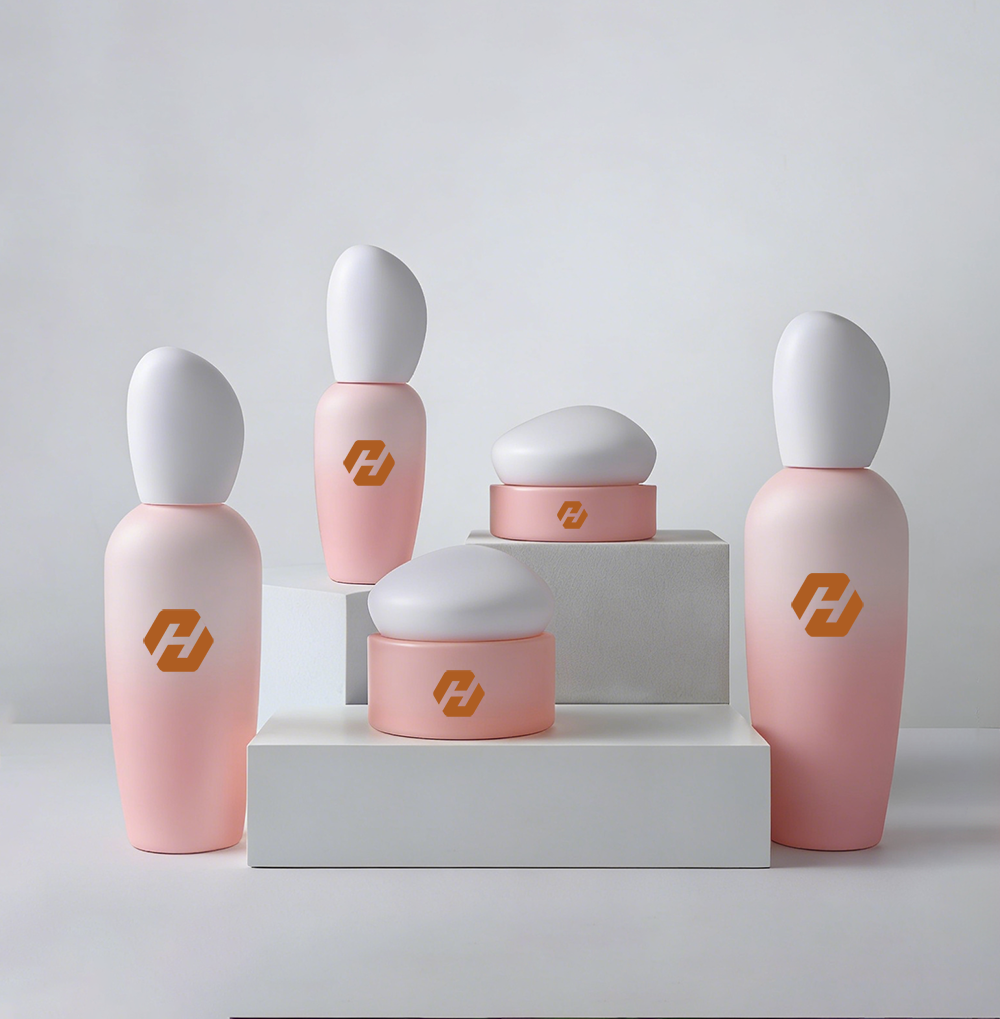
Selecting the right container requires a deep understanding of your product’s viscosity and active profile. For fluid products like toners or light essences, high-performance cosmetic bottles are the ideal choice. These containers can be fitted with precision pumps or sprayers to ensure controlled application.
If your formula is a thick balm or a rich night cream, you must consider the opening size. Versatile cosmetic jars allow users to easily access the product while providing a luxury aesthetic. Many of these jars are now available in refillable formats to meet 2026 sustainability standards.
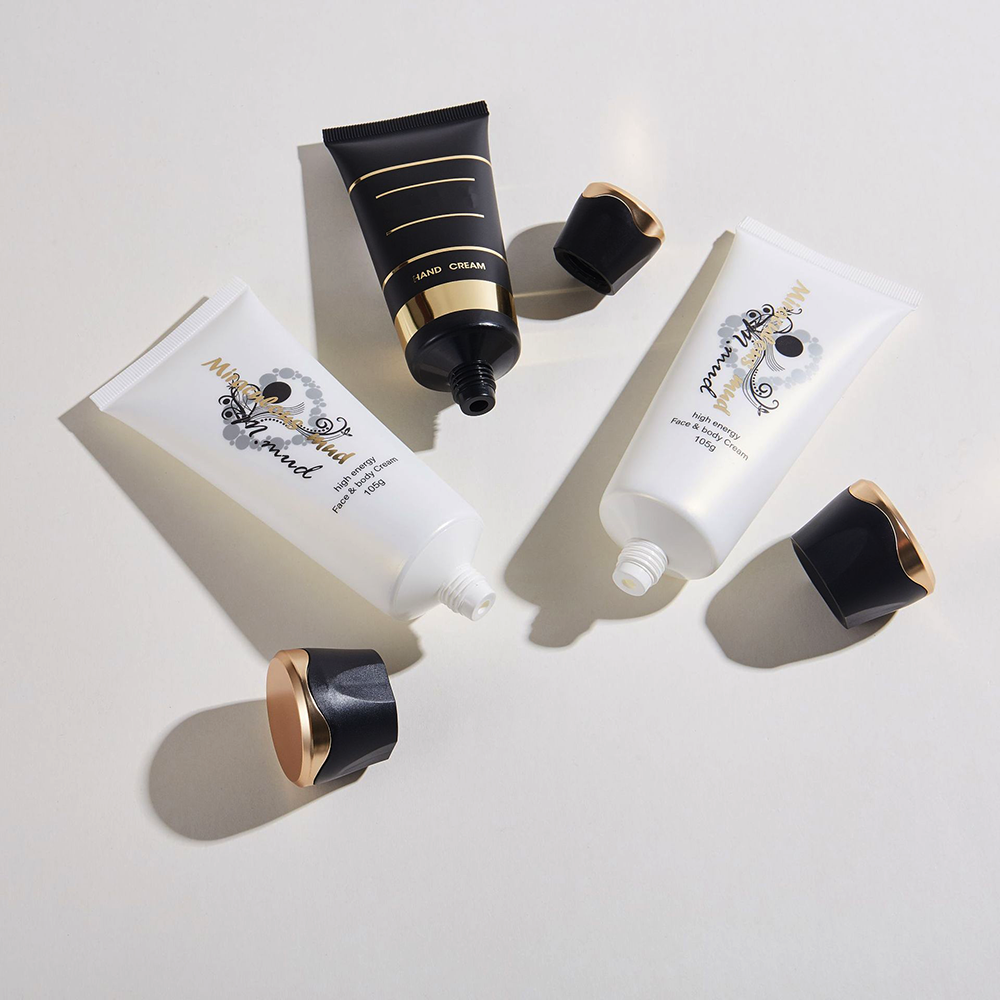
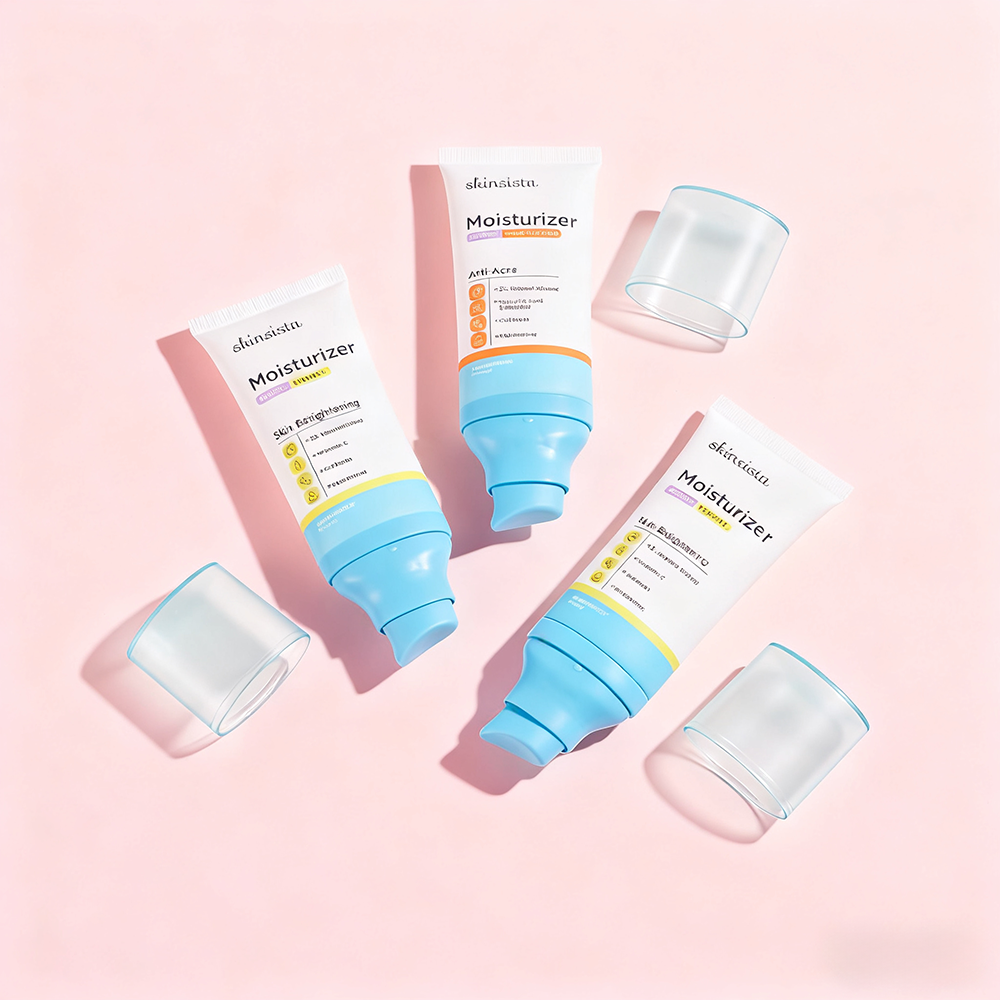
For products that require a high degree of portability and hygiene, squeezed options are often preferred. Durable cosmetic tubes provide an excellent barrier against environmental factors and are perfect for travel-sized items. These tubes can be customized with different head types for specific applications like scalp or eye treatments.
The final decision should always balance the cost of materials with the expected retail price. You must ensure that the best cosmetic packaging you choose aligns with your brand’s core values. Testing various samples for durability during shipping is also a step that should never be skipped.
Summary
In 2026, the best cosmetic packaging focuses on the intersection of technical performance and environmental responsibility. Brands must embrace trends like refillable systems and PCR materials to remain competitive. By prioritizing formula protection and user experience, you can build a loyal customer base in the evolving beauty market.
FAQ
1. What is the most eco-friendly material for skincare packaging in 2026?
The most eco-friendly materials are mono-material plastics like PP and high-percentage PCR plastics. These materials ensure that the packaging can be easily recycled within existing infrastructure. Glass remains a top choice for its infinite recyclability, especially when it is lightweighted for lower shipping emissions.
2. How does airless packaging improve skincare shelf life?
Airless systems use a vacuum mechanism instead of a traditional straw to dispense the product. This prevents air from entering the container, which significantly reduces the risk of oxidation and bacterial contamination. It is the best cosmetic packaging for preservative-free or highly sensitive active formulas.
3. Are refillable skincare containers actually better for the environment?
Yes, refillable containers significantly reduce the total volume of waste produced over the product’s lifecycle. By reusing the heavy outer component and only replacing the lightweight inner pod, brands can reduce plastic usage by up to 60%. This model also encourages long-term brand loyalty among conscious consumers.
4. What are the benefits of using PCR in the best cosmetic packaging?
PCR, or Post-Consumer Recycled plastic, gives a second life to materials that would otherwise end up in landfills. It reduces the demand for virgin petroleum-based plastics and lowers the overall carbon footprint of the brand. In 2026, PCR can be processed to have the same clarity and strength as new plastic.
5. Why is smart packaging becoming a trend in 2026?
Smart packaging uses digital tools like QR codes and NFC to provide transparency to the consumer. It allows brands to prove the authenticity of their products and share detailed sustainability data. This technology helps build trust with a younger, more tech-savvy demographic that values information.
Reference Sources
Cosmetic Packaging Market Size and Share Analysis
Future Market Insights Post-Consumer Recycled (PCR) Cosmetic Packaging Market Report
Cosmetic Executive Women (CEW) State of the Beauty Industry Report 2026