
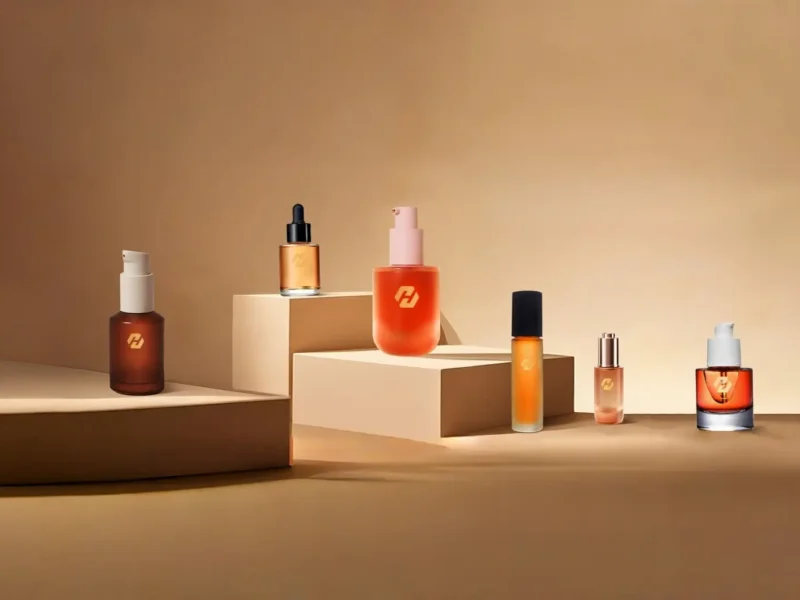
The global beauty industry continues to evolve rapidly as we move through 2026. Choosing the right cosmetic packaging wholesale strategy is now a cornerstone of brand success. High-quality containers protect sensitive formulas and enhance the user experience significantly.
Successful brands prioritize sourcing solutions that offer both durability and aesthetic appeal. Purchasing in bulk allows companies to maintain consistent stock levels for their product lines. This approach also helps in managing manufacturing costs effectively over long-term projects.
Modern consumers in 2026 demand packaging that is functional and environmentally responsible. Navigating the complexities of cosmetic packaging wholesale requires a clear understanding of current market trends. This guide provides the necessary insights to make informed procurement decisions.
Why Is Cosmetic Packaging Wholesale Critical for Brands in 2026?
Sourcing cosmetic packaging wholesale offers substantial economic advantages for growing beauty businesses. Buying in large quantities typically reduces the unit price by a significant margin. This cost efficiency allows brands to reinvest capital into product research and marketing.
Consistency is another major benefit of bulk purchasing from a single reliable source. Using one manufacturer ensures that every bottle and jar matches in color and finish. This uniformity is vital for building a professional and recognizable brand identity.
| Procurement Factor | Impact on Business | 2026 Market Expectation |
| Unit Cost | Significant reduction | 25% – 40% Savings |
| Lead Times | Predictable cycles | 45 – 60 Days average |
| Customization | High scalability | Essential for brand DNA |
The beauty market in 2026 is highly competitive and requires rapid product launches. Wholesale partners often provide established molds that speed up the production timeline. This allows brands to respond quickly to new trends without long development delays.
Large-scale suppliers also offer better access to advanced decoration and printing technologies. You can achieve sophisticated looks like holographic foiling or soft-touch coatings at scale. These features help your products stand out on retail shelves and digital storefronts.
Reliability in the supply chain remains a top priority for international beauty retailers. Working with a dedicated cosmetic packaging wholesale provider minimizes the risk of sudden stockouts. A stable supply of containers ensures that your production line never grinds to a halt.
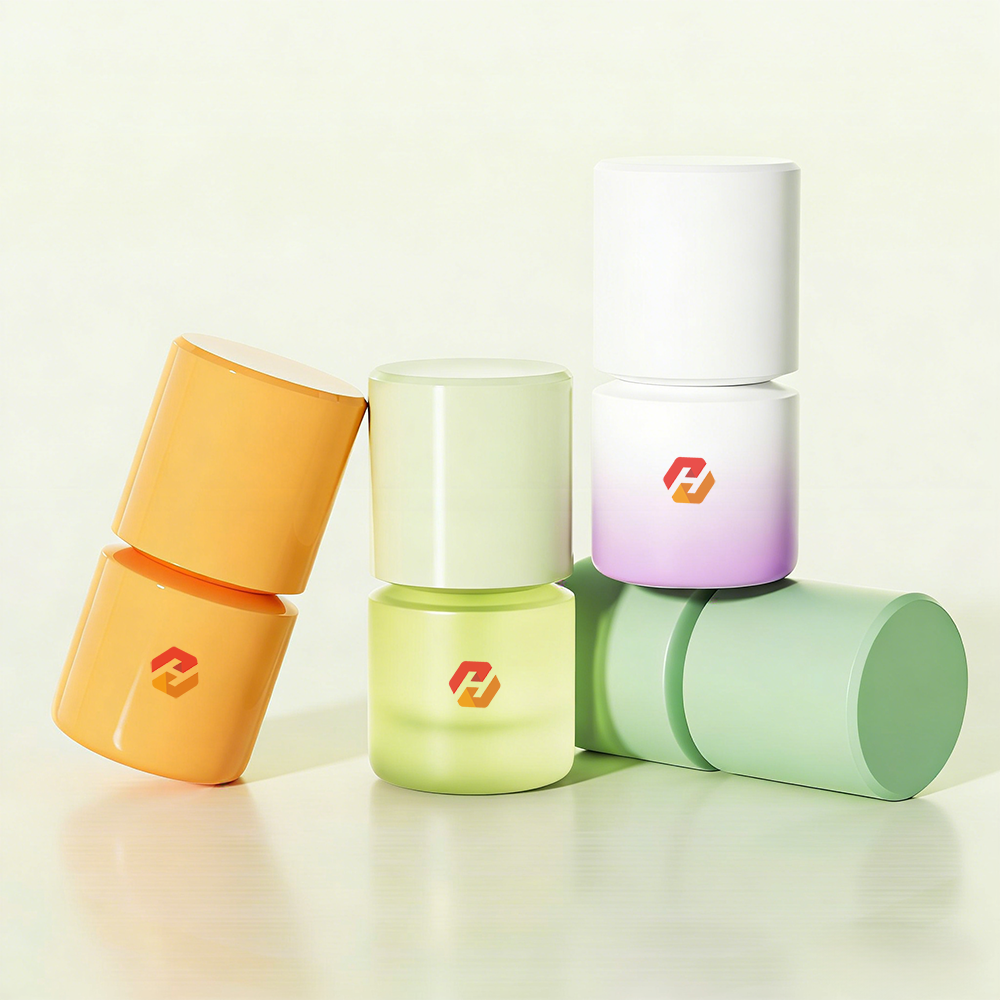
Understanding the Economic Scale of Bulk Orders
The global cosmetic packaging market is projected to reach $45 billion by 2026. This growth is driven by the rise of niche skincare and personalized beauty brands. High-volume orders allow these smaller players to compete with established industry giants.
Wholesale agreements often include technical support and material compatibility testing for your formulas. This service is crucial for preventing chemical reactions between products and their containers. Expert guidance from suppliers can save thousands of dollars in potential product losses.
How to Evaluate Material Durability for Bulk Orders?
Material selection is the most technical aspect of cosmetic packaging wholesale procurement. Each type of product requires a specific barrier to protect it from light and air. You must understand the chemical properties of plastics, glass, and metals available today.
Glass remains a popular choice for high-end serums and luxury fragrance lines. It is non-reactive and provides a premium weight that consumers often associate with quality. However, the increased shipping weight and fragility must be factored into your logistics budget.
Plastic polymers like PET and PP dominate the mass-market sector for their versatility. PET is known for its glass-like clarity and excellent recyclability in modern waste streams. PP is highly resistant to chemicals and is ideal for thicker creams or balms.
The Role of Aluminum and Sustainable Metals
Aluminum packaging is seeing a massive resurgence in the 2026 beauty market. It is lightweight, infinitely recyclable, and provides a total block against ultraviolet light. Many professional hair care brands prefer aluminum for its industrial and eco-friendly aesthetic.
Metal containers are also incredibly durable during long-distance international shipping cycles. They rarely crack or leak, even when subjected to significant pressure changes in transit. This durability makes them a safe choice for global distribution networks.
Assessing Plastic Options for Formula Protection
When sourcing cosmetic packaging wholesale, you must check the resin identification codes. High-density polyethylene (HDPE) is excellent for products containing stronger active ingredients or oils. It offers a frosted appearance and a very sturdy feel for larger containers.
Post-consumer recycled (PCR) plastics are now a standard offering from most wholesale manufacturers. Using PCR materials helps brands meet strict environmental regulations coming into effect in 2026. Always confirm the percentage of recycled content to ensure it meets your brand’s claims.
Essential Quality Control Benchmarks for Wholesale Success
Maintaining high quality across thousands of units is a primary challenge in cosmetic packaging wholesale. You must implement a rigorous inspection process for every shipment you receive. This ensures that your customers always receive a functional and beautiful product.
Leakage testing is perhaps the most critical quality check for liquid beauty products. Suppliers should use vacuum chambers to simulate the pressures of air travel and shipping. A single leaking bottle can ruin an entire case of finished goods.
| Quality Standard | Test Method | Pass Criteria |
| Seal Integrity | Vacuum Chamber Test | No bubbles or fluid loss |
| Surface Finish | Visual Inspection | Zero scratches or burrs |
| Functionality | Actuation Count | Consistent pump performance |
The dispensing mechanism, such as a pump or sprayer, must work perfectly every time. Cheaply made pumps often clog or fail after only a few uses by the consumer. Investing in high-performance dispensing systems is essential for long-term customer retention.
Consistent color matching is another vital benchmark for professional brand presentation. Manufacturers use spectrophotometers to ensure that the color stays within a specific tolerance range. Even a slight shift in hue can make your products look inconsistent on a shelf.
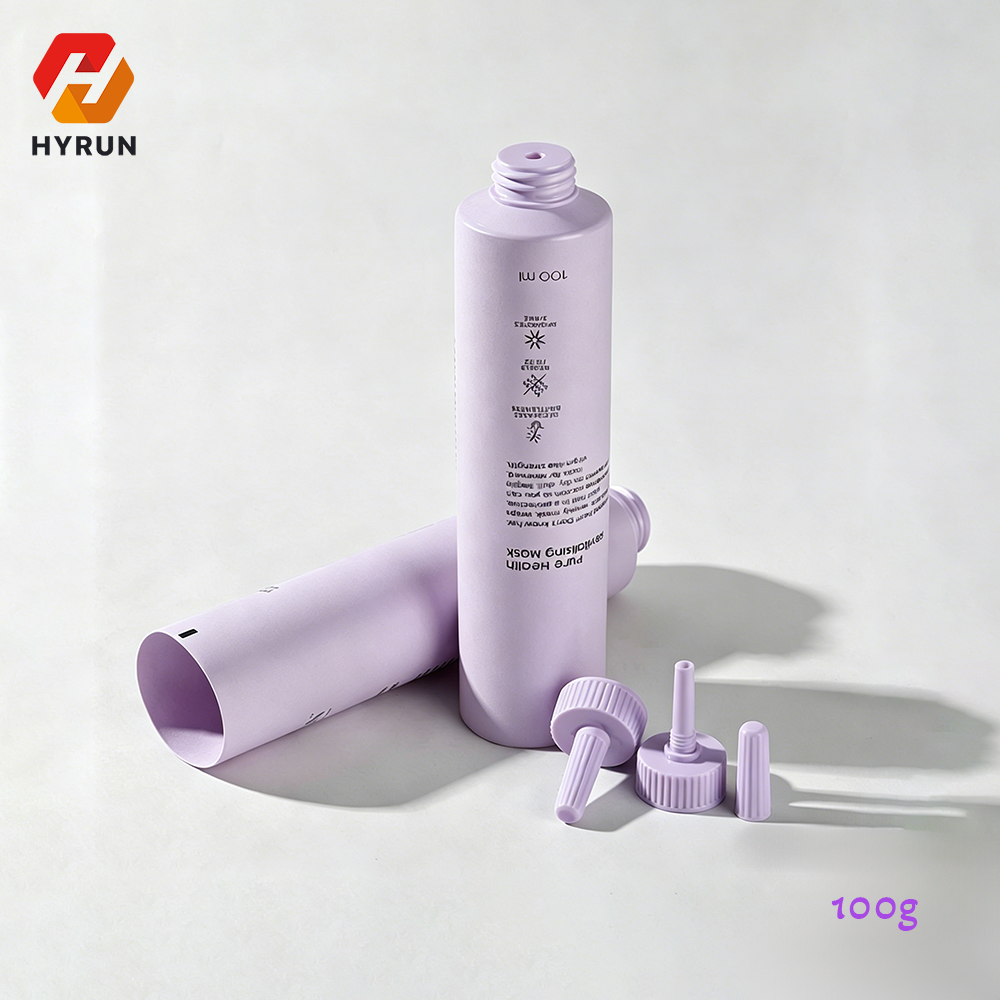
Verifying Sustainable Certifications and Compliance
In 2026, regulatory bodies have tightened rules around heavy metals in packaging dyes. Ensure your cosmetic packaging wholesale partner provides REACH and RoHS compliance certificates. These documents prove that your containers are safe for human contact and the environment.
Third-party audits like those conducted by Intertek or SGS provide extra peace of mind. These agencies inspect factories to ensure fair labor practices and environmental management. A certified supplier adds significant value to your brand’s ethical story.
Testing Functional Consistency in Diverse Climates
Temperature stability tests are necessary if you plan to sell your products globally. Packaging must withstand the extreme heat of a warehouse or the cold of a delivery truck. Test your filled containers at 40°C and 0°C to check for warping or cracking.
High-quality seals must prevent moisture from entering or leaving the container during storage. This is particularly important for anhydrous products like facial oils or powder foundations. A loss of moisture can change the texture and effectiveness of your formula.
Guidelines for Selecting the Perfect Container Format
Choosing the right format is a strategic decision that affects how users interact with your brand. The viscosity of your product dictates whether you need a wide-mouth jar or a narrow pump. High-quality cosmetic packaging wholesale providers offer specialized options for every formula type.
For thick creams and masks, choosing reliable cosmetic jars is often the best functional choice. Jars allow for easy scooping and help consumers use every bit of the product. They also provide a large surface area for branding and decorative lids.
Liquid skincare like toners and facial oils requires precise dispensing to avoid waste. Selecting durable cosmetic bottles ensures that your formula remains stable and easy to apply. Airless bottle designs are especially popular in 2026 for preservative-free or natural skincare products.
Hand creams, sunscreens, and gel cleansers often perform best in flexible housing. Sourcing high-performance cosmetic tubes provides a lightweight and travel-friendly solution for active consumers. Tubes are also highly effective at preventing air exposure during repeated use.
Consider the “shelf presence” of your chosen format in relation to your target price point. Glass bottles often command a higher price, while plastic tubes are viewed as more practical. A cohesive mix of formats across your line creates a professional and versatile brand image.
Ultimately, your packaging should reflect the values and needs of your specific customer base. Whether you choose the luxury of glass or the utility of plastic, quality must remain your top priority. Evaluating these factors carefully will lead to a successful wholesale partnership and brand growth.
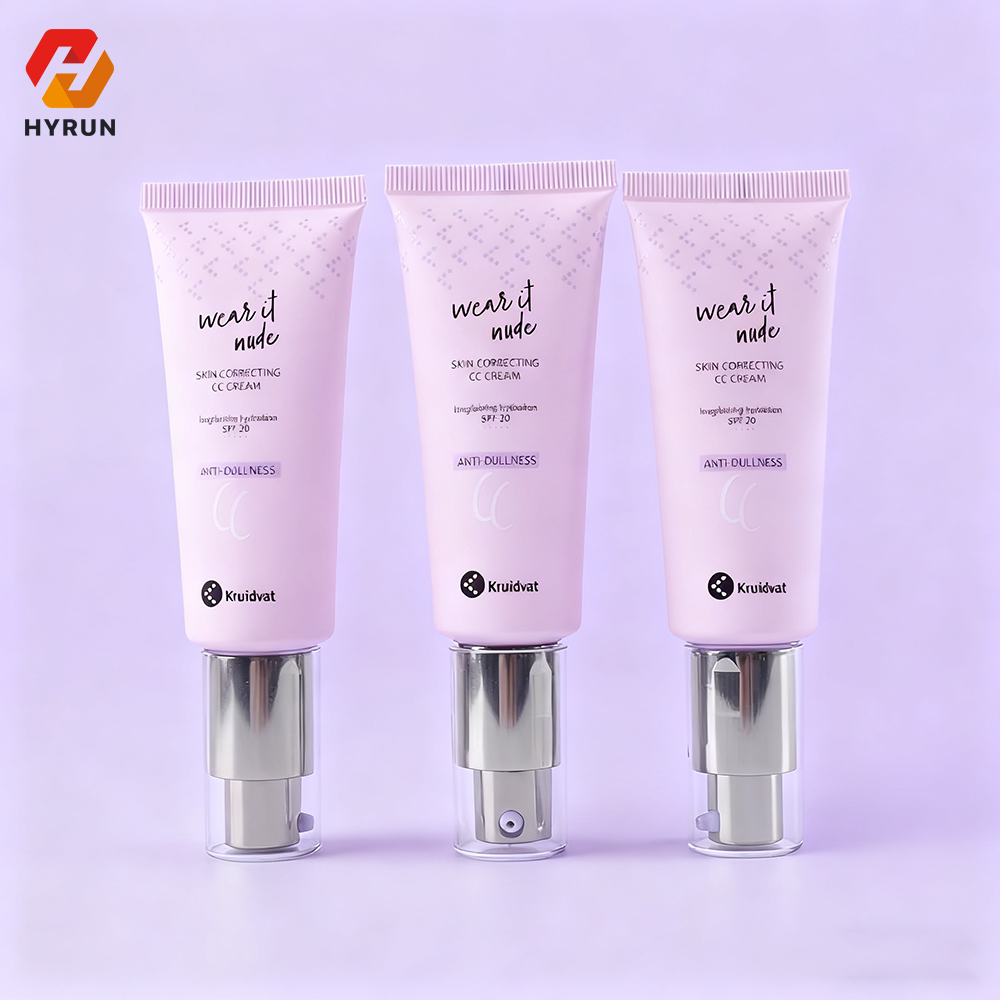
Summary
Successful cosmetic packaging wholesale sourcing in 2026 relies on balancing cost, quality, and sustainability. By selecting the right materials and enforcing strict quality control, brands can protect their formulas and reputation. Choosing the ideal format—bottles, jars, or tubes—ensures a functional experience that keeps customers returning to your products.
FAQ
1. What is the typical lead time for cosmetic packaging wholesale orders?
Lead times typically range from 45 to 60 days for standard bulk orders in the current market. This duration accounts for manufacturing, quality inspections, and preparation for international shipping. Custom molds or specialized decorations can extend this timeline to 90 days or more.
2. How can I verify the chemical compatibility of my formula with a container?
You should conduct a stability test by storing your formula in sample containers for at least eight weeks. Observe the setup at different temperatures to check for any physical or chemical changes in the product. It is also important to monitor for container discoloration or loss of structural integrity.
3. What are the minimum order quantities for custom colored packaging?
Minimum order quantities (MOQs) for custom colors usually start at 5,000 to 10,000 units per item. This threshold exists because manufacturers must purge their machines and set up specific color masterbatches for your run. Smaller brands may find lower MOQs for standard colors like white, clear, or black.
4. Are sustainable packaging materials more expensive in 2026?
Sustainable materials like PCR plastic or bio-based resins may carry a 10% to 20% premium over virgin plastics. However, many brands find this cost is offset by increased consumer loyalty and higher retail price points. As production scales globally, the price gap between traditional and eco-friendly materials continues to narrow.
5. Can I get samples before committing to a full wholesale order?
Most reputable suppliers provide physical samples for a nominal fee or shipping cost to ensure customer satisfaction. Testing these samples is a mandatory step to verify the fit of caps, the spray pattern of pumps, and overall durability. Never place a high-volume order without first performing a hands-on evaluation of the hardware.
Reference Sources
Grand View Research: Cosmetic Packaging Market Size, Share & Trends Analysis Report 2026
U.S. Food and Drug Administration: Packaging & Labeling of Cosmetics