
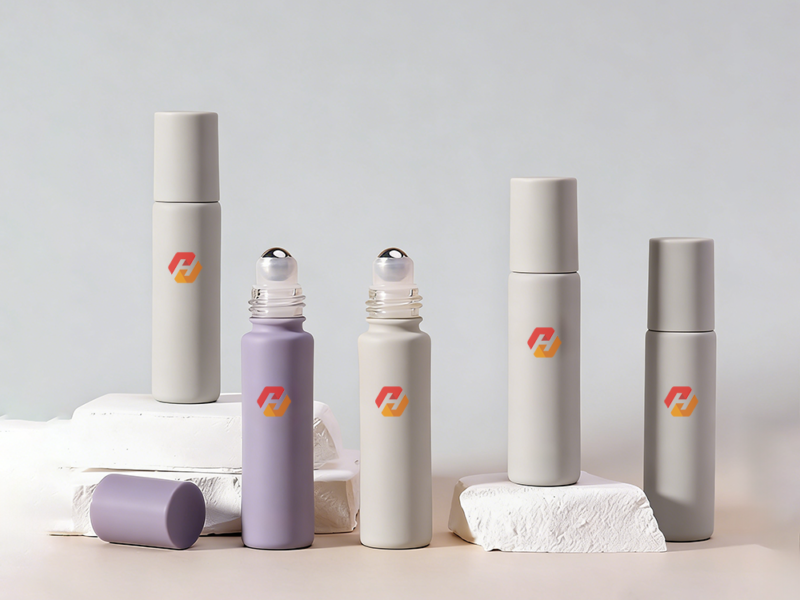
Finding the right cosmetic packaging supplier is a critical step for any beauty brand. High-quality packaging protects the formula and enhances the user experience. A dependable partner ensures that your products arrive safely and look professional on the shelf.
The global cosmetic packaging market is expanding rapidly to meet rising consumer demand. Market research indicates this industry will reach approximately $71 billion by 2026. This growth means brands have more choices but also face more complexity during selection.
Selecting a partner involves more than just looking at the lowest price point. You must evaluate production capacity, material quality, and communication efficiency. This guide provides a comprehensive framework to help you secure a long-term manufacturing partner.
Why Does Choosing the Right Partner Matter in 2026?
Your packaging is the first physical interaction a customer has with your brand. Studies show that 60% of consumers make purchasing decisions based on visual appeal alone. A cosmetic packaging supplier influences your brand’s perceived value and market positioning.
Poorly manufactured containers can lead to chemical reactions with the product formula. Leaks or cracks often result in expensive product recalls and damaged brand reputation. Reliable suppliers utilize rigorous testing protocols to prevent these functional failures before shipping.
Consistency is another vital factor in high-volume beauty manufacturing. You need a partner who can maintain the same color and finish across thousands of units. Fluctuations in quality can alienate loyal customers who expect a premium experience every time.
| Evaluation Metric | Importance Level | Impact on Brand |
| Material Purity | Critical | Product Safety & Stability |
| Lead Time Accuracy | High | Inventory Management |
| Customization Options | Medium | Brand Identity |
| Quality Control (QC) | Critical | Customer Satisfaction |
How to Find a Reliable Cosmetic Packaging Supplier Through Quality Audits?
Begin your search by requesting physical samples of their existing product lines. Digital catalogs often look better than the actual items in hand. Testing physical samples allows you to check the weight, transparency, and closure tightness.
A professional cosmetic packaging supplier should hold international quality certifications. Look for ISO 9001 certification to ensure standardized management systems are in place. These standards guarantee that the factory follows strict quality control procedures during every production stage.
Inquire about the raw materials used in their manufacturing process. High-quality plastics like PET or PP are essential for durability and chemical resistance. Reliable packaging ensures that active ingredients remain stable throughout the product’s shelf life.
Assessing Production Capacity and Scalability
Analyze the supplier’s production capacity to ensure they can scale with your business. A factory that is already at 100% capacity may struggle with urgent or large orders. Scaling your brand requires a partner with flexible manufacturing schedules.
Data from the American Society for Quality suggests that robust quality programs reduce defects by 30%. Ask for their internal defect rate reports during the vetting process. A transparent supplier will share their performance metrics to build trust with new clients.
Verify if the supplier uses modern automation in their assembly lines. Automated systems reduce human error and increase the precision of cap fittings and seals. High-tech facilities are generally better equipped to handle complex, high-volume orders in 2026.
What Are the Key Technical Standards for Cosmetic Containers?
The functional integrity of a container depends on its specific design and material composition. Most beauty brands require a mix of specialized containers for different product types. Understanding these technical nuances helps you communicate better with your cosmetic packaging supplier.
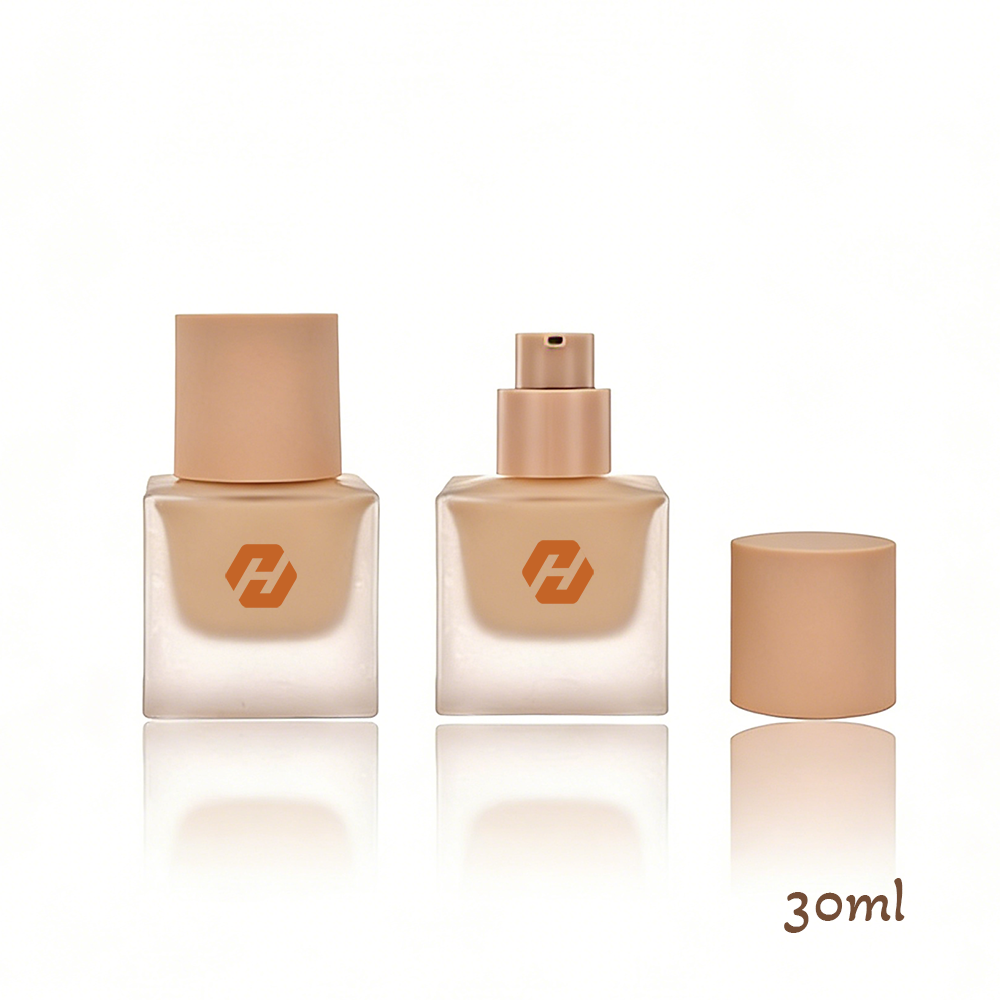
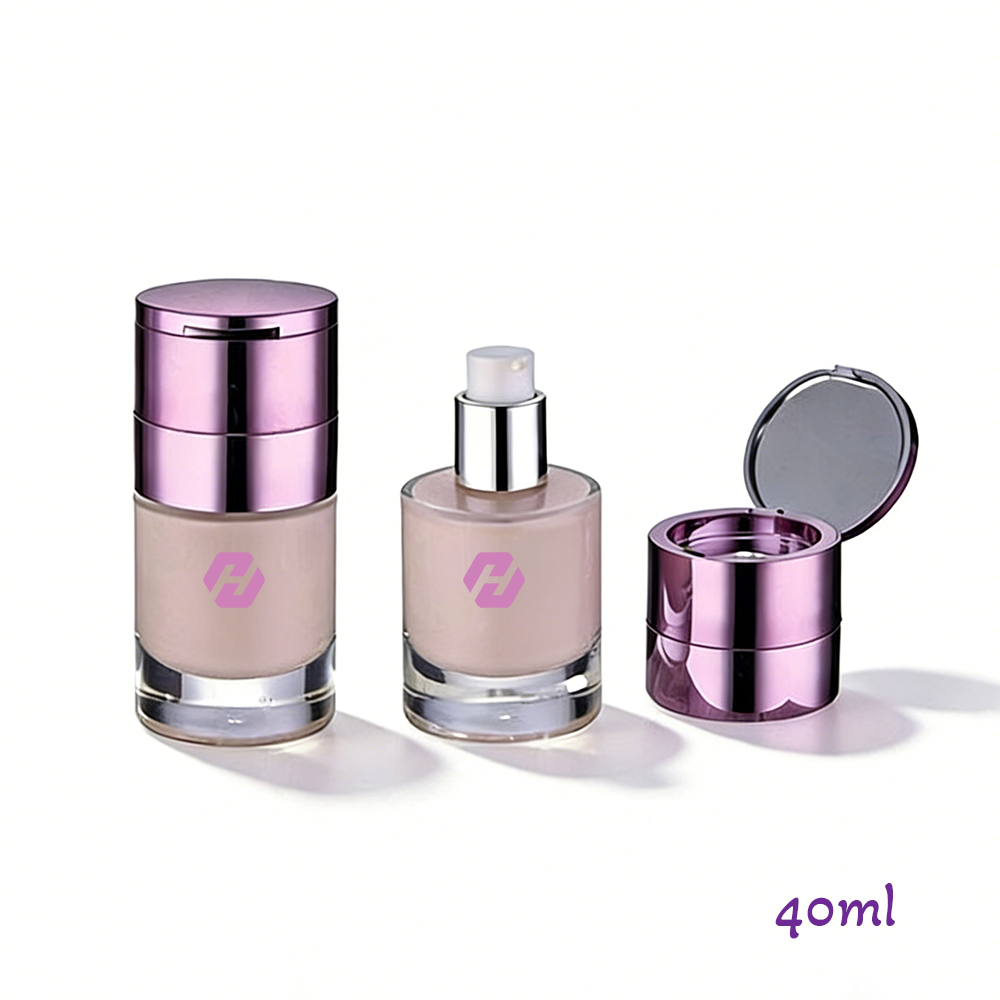
Bottles must provide an airtight seal to prevent oxidation of liquid formulas. Airless pump technology is often preferred for high-end serums and organic products. This technology reduces the need for heavy preservatives by blocking air contact.
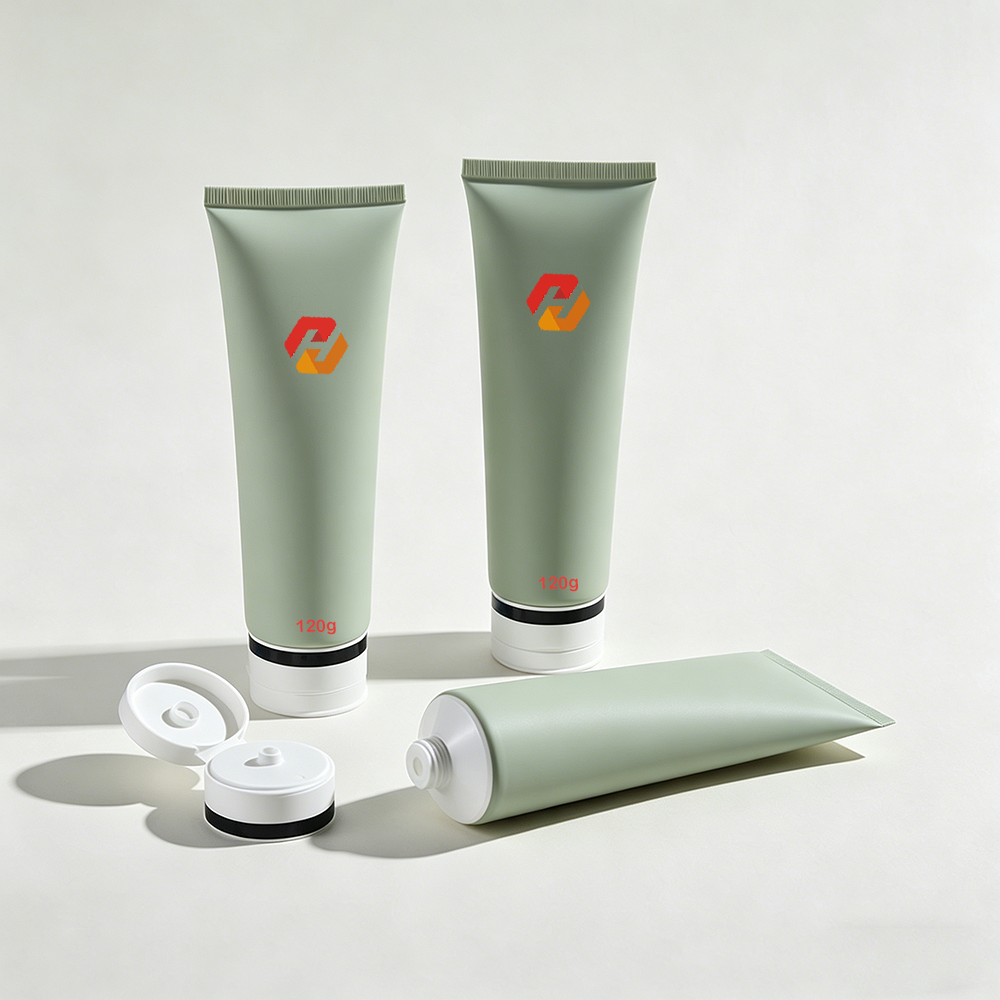
Tubes are the industry standard for creams, gels, and cleansers because of their portability. Multilayer tubes provide an excellent barrier against moisture and oxygen transmission. High-performance tubes prevent formula degradation and extend product longevity.
Understanding Material Compatibility and Safety
Jars are traditionally used for thicker creams and luxury skincare masks. They offer a premium aesthetic and allow users to access every bit of the product. Modern jars often incorporate double-wall designs to protect the contents from temperature fluctuations.
Compatibility testing is essential before final production begins. Certain essential oils can degrade low-quality plastics over time. Your supplier should offer compatibility testing services to ensure the container does not react with your formula.
Sustainability is a major focus for global beauty regulations in 2026. Many brands now prefer materials like glass or Post-Consumer Recycled (PCR) plastics. Ask your supplier for their roadmap on eco-friendly material sourcing and production.
How to Vet a Global Packaging Manufacturer?
Effective communication is the cornerstone of any successful international business relationship. A reliable cosmetic packaging supplier should respond to inquiries within 24 business hours. Clear communication prevents misunderstandings regarding design specifications and delivery timelines.
Examine their past client portfolio to see if they work with reputable brands. Experience in your specific niche indicates they understand the unique challenges of your product type. Proven industry experience often correlates with higher reliability and fewer production errors.
Conduct a virtual or physical factory audit whenever it is possible. This allows you to verify their equipment technology and labor conditions firsthand. Modern machinery often results in higher precision and lower scrap rates during production.
Evaluating Logistics and Supply Chain Resilience
Shipping and logistics capabilities are just as important as the manufacturing process itself. A professional supplier should offer various shipping terms like FOB, CIF, or DDP. They must provide secure export packaging to prevent breakage during long-distance transit.
Ask for detailed documentation regarding environmental compliance and sustainability. Many modern consumers demand eco-friendly packaging options like PCR plastics. A forward-thinking supplier will offer sustainable alternatives to traditional plastic packaging.
Lead time reliability is essential for maintaining your inventory levels. Delays in packaging production can stall your entire product launch schedule. Ensure the supplier has a clear protocol for managing supply chain disruptions in 2026.
Establishing a Standardized Quality Agreement
Before placing a large order, establish a written quality agreement with your supplier. This document should define acceptable quality levels (AQL) for every batch produced. It sets clear expectations for both parties and provides a basis for dispute resolution.
Specify the exact dimensions, weight, and color codes for your specific packaging. Small variations in color can make a product look counterfeit to consumers. Strict adherence to color standards is essential for maintaining brand consistency.
The agreement should also outline the testing procedures for leakage and stress cracking. Containers must undergo vacuum tests to simulate the pressures of shipping. Verified testing protocols are the best defense against mass product failure.
Defining Defect Classifications and Remedies
Define what constitutes a critical, major, or minor defect in your agreement. Critical defects include things like broken glass or non-functional pumps. Major defects might involve significant scratches or incorrect printing of the brand logo.
Set clear protocols for how the supplier handles defective batches. They should offer replacements or credits if the defect rate exceeds the agreed AQL. Having these terms in writing protects your investment and ensures accountability.
Transparency regarding the origin of raw materials is also necessary. Ensure the supplier uses virgin resins or certified recycled materials as requested. This level of detail prevents safety issues and ensures regulatory compliance.
Identifying the Right Fit for Your Brand Scale
Small brands often need lower minimum order quantities (MOQs) to manage cash flow. Large-scale manufacturers might have MOQs that are too high for niche product launches. Find a cosmetic packaging supplier whose business model aligns with your current volume.
Some suppliers specialize in ready-to-ship stock packaging that can be quickly customized. This is an excellent option for brands looking to test the market with new concepts. Stock packaging reduces initial investment and speeds up the time-to-market.
Larger enterprises typically require custom molds to create unique, proprietary packaging shapes. This involves higher upfront tooling costs but provides significant brand differentiation. Custom molds allow brands to create iconic silhouettes that stand out.
Geographic Considerations and Total Landed Cost
Analyze the supplier’s location and how it impacts your total landed cost. Shipping heavy glass jars halfway across the world can be prohibitively expensive. Strategic location planning helps optimize your supply chain and reduce carbon footprint.
Consider the local regulations in the supplier’s home country. Some regions have stricter quality oversight than others, which can influence reliability. A supplier familiar with international export standards will handle customs documentation more efficiently.
Proximity to your filling facility can also reduce transportation risks and costs. If your filler is in the same region, you save on logistics complexity. Always calculate the total cost, including freight and duties, before finalizing a contract.
Guidance for Selecting the Best Containers for Your Line
Determining whether to use cosmetic bottles, cosmetic tubes, or cosmetic jars depends on your product’s viscosity. Bottles are ideal for low-viscosity liquids that need controlled dispensing through pumps or sprays. Tubes offer excellent barrier properties for oxygen-sensitive creams and are very cost-effective. Jars remain the standard for luxury creams where the user experience focuses on texture.
A reliable cosmetic packaging supplier will provide technical data sheets for stability verification. Selecting the wrong material can lead to leaching, where chemicals migrate into your product. By evaluating the physical properties and aesthetic appeal, you can create a functional product line. Proper selection ensures that your brand remains competitive and safe in the 2026 market.
Summary
Finding a reliable cosmetic packaging supplier requires a balance of quality auditing and clear communication. Brands must prioritize suppliers with ISO certifications and proven track records in the 2026 beauty industry. By thoroughly vetting manufacturing partners, you ensure product safety, brand consistency, and long-term growth.
FAQ
1. What is the most important factor when choosing a cosmetic packaging supplier?
Product quality and material safety are the most critical factors for success. These elements directly impact consumer health and your overall brand reputation. You must ensure the supplier uses cosmetic-grade materials that are chemically compatible with your formulas.
2. How do I verify the quality of a new packaging supplier?
You should request physical samples and review their ISO 9001 certifications. Conducting a factory audit or checking their defect rate reports provides deep insight. Checking client testimonials also helps confirm their historical performance and reliability in 2026.
3. What are the benefits of using airless bottles for cosmetics?
Airless bottles prevent air exposure, which protects sensitive ingredients from rapid oxidation. This technology allows for a longer shelf life and reduces the need for preservatives. It also ensures that users can dispense almost the entire product without waste.
4. Why is MOQ important when selecting a supplier?
Minimum Order Quantity determines the financial entry barrier for your production run. It is essential to find a supplier whose MOQ matches your budget and sales projections. This prevents overstocking and helps maintain a healthy cash flow for your brand.
5. Can a cosmetic packaging supplier help with sustainable options?
Many modern suppliers offer Post-Consumer Recycled plastics, glass, and refillable packaging designs. Working with a supplier focused on sustainability helps your brand meet environmental regulations. It also aligns your product line with the expectations of eco-conscious consumers.
Reference Sources
International Organization for Standardization (ISO) Quality Management Systems
Cosmetics Europe The Personal Care Association Packaging Guidelines
Smithers Global Cosmetic Packaging Market Research
U.S. Food and Drug Administration (FDA) Cosmetic Labeling and Packaging