
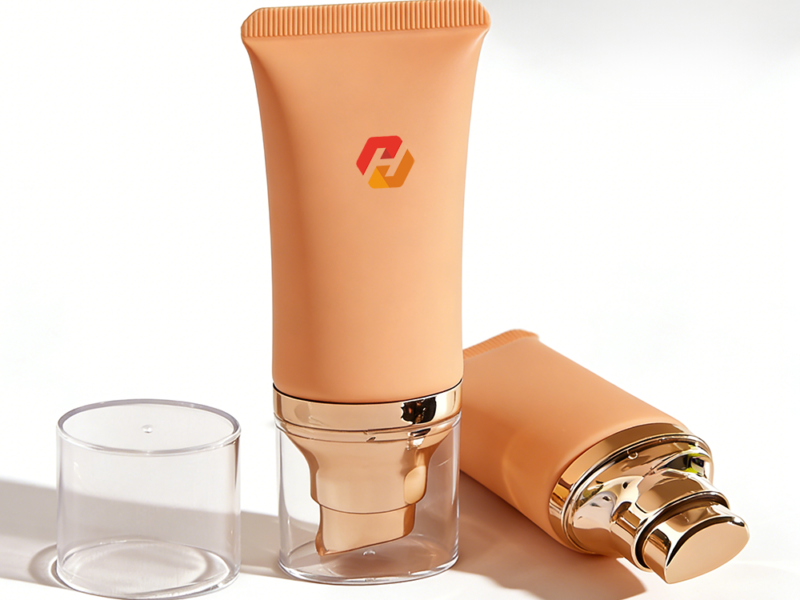
For beauty brands and cosmetic manufacturers, the packaging is more than just a container; it is a critical component of product integrity and brand reputation. Evaluating cosmetic packaging quality requires a systematic approach that blends engineering precision with aesthetic scrutiny.
Whether you are developing high-end skincare or mass-market personal care products, understanding the technical benchmarks of packaging ensures long-term formula stability and consumer safety.
The Three Pillars of Cosmetic Packaging Quality
A professional evaluation of cosmetic packaging quality is categorized into three distinct dimensions: physical functionality, chemical compatibility, and aesthetic compliance. Each dimension must be verified through standardized testing before a production batch is approved.
Physical Functionality: Focuses on the mechanical performance of the component, such as the delivery system of a pump or the airtight seal of a jar.
Chemical Compatibility: Ensures the packaging material does not react with the formula, causing discoloration, delamination, or structural failure.
Aesthetic Precision: Evaluates the visual attributes, including color consistency, print durability, and surface finish.
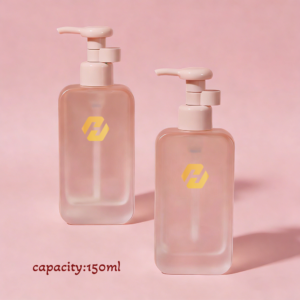
Essential Technical Testing Protocols
To objectively assess cosmetic packaging quality, engineers and quality control (QC) managers utilize specific stress tests. These protocols simulate the product’s lifecycle from the factory floor to the consumer’s bathroom shelf.
1. Vacuum Leakage Test
Leakage is the most common failure in cosmetic packaging. This test involves placing filled components in a vacuum chamber to check if internal pressure causes the formula to escape through threads or seals.
Standard: Typically performed at -0.05MPa to -0.08MPa for 5–10 minutes.
Critical for: Cosmetic bottles and tubes with screw-on caps.
2. Torque and Closure Analysis
For jars and bottles, the force required to open and close the lid must be consistent.
Application Torque: The force used to seal the container.
Removal Torque: The force a consumer needs to open it.
If removal torque is too high, it leads to consumer frustration; if too low, it risks leakage during transit.
3. Formula Compatibility Testing (Stability Test)
Since cosmetic formulas often contain oils, alcohols, and active ingredients, the packaging must be inert. Evaluation includes:
Oven Test: Storing the product at 40°C–50°C for 4–12 weeks.
Weight Loss Check: Measuring if moisture or volatile ingredients evaporate through the plastic walls.
Structural Integrity: Checking if the plastic (PE, PP, or PET) becomes brittle or soft after contact with the formula.
4. Adhesion and Rub Resistance
For printed packaging, the ink must withstand friction and chemical exposure.
Cross-Cut Test: Using a standardized blade and tape to check if the coating or printing peels off.
Alcohol Rub Test: Rubbing the printed area with a 70% isopropyl alcohol solution to ensure the brand logo and ingredient list remain legible.
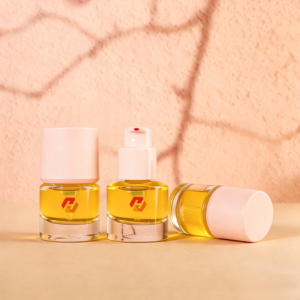
Evaluation Criteria by Component Type
The metrics for cosmetic packaging quality vary significantly depending on the geometry and material of the container.
| Component Type | Primary Quality Focus | Technical Key Performance Indicators (KPIs) |
| Cosmetic Bottles | Delivery & Seal | Pump dosage accuracy (±10%), dip tube length, airless piston movement. |
| Cosmetic Tubes | Seal & Flexibility | Tail seal strength, orifice diameter, barrier layer integrity (EVOH). |
| Cosmetic Jars | Gasket & Threading | Liner/gasket fit, wall thickness uniformity, scratch resistance of the lid. |
Specific Considerations for Cosmetic Bottles
When evaluating cosmetic bottles, the focus is often on the pump mechanism. High-quality airless bottles must operate smoothly without “spitting” and should have a high evacuation rate, meaning less than 5% of the product remains in the bottle after the pump stops functioning.
Assessing Cosmetic Tubes
For cosmetic tubes, the evaluation centers on the “memory” of the material. A high-quality tube (whether PE or ABL) should return to its original shape without cracking after repeated squeezing. The “burst strength” of the tail seal is also a critical safety metric during the high-speed filling process.
Quality Benchmarks for Cosmetic Jars
In the case of cosmetic jars, wall thickness and transparency are paramount, especially for PMMA (acrylic) or heavy-wall PETG jars. Visual defects like “flow lines” or air bubbles in the plastic can indicate poor injection molding parameters, which compromises the premium feel of the product.
Material Specifications and Sustainability
Modern cosmetic packaging quality is increasingly tied to material purity.
Virgin vs. PCR: Post-Consumer Recycled (PCR) plastics are environmentally friendly but require stricter testing for odors and color consistency compared to virgin resins.
BPA and Phthalate Free: High-quality packaging must comply with REACH or FDA standards to ensure no harmful chemicals migrate into the formula.
Glass Quality: For luxury skincare, the glass must be “Type III” or higher, ensuring it is free from internal stresses that could lead to spontaneous breakage.
Identifying Manufacturing Defects
An expert evaluation should also include a visual inspection for common manufacturing flaws:
Flash: Excess plastic at the parting line of a mold.
Short Shot: Incomplete filling of the mold, resulting in a deformed neck or base.
Sink Marks: Small craters caused by uneven cooling of thick plastic sections.
Color Striation: Uneven distribution of color masterbatch.
Conclusion: Establishing a Quality Control Plan
Evaluating cosmetic packaging quality is not a one-time event but a continuous process. It begins with the Golden Sample—the approved prototype that serves as the benchmark for all future production.
By implementing standardized vacuum, torque, and compatibility tests, and by understanding the specific requirements of bottles, tubes, and jars, procurement managers can mitigate risks, reduce waste, and ensure that the final product reflects the brand’s commitment to excellence.
FAQ
Q1: What is the most critical test for airless cosmetic bottles?
The vacuum leak test and the “prime strokes” test (measuring how many pumps it takes to first dispense the product) are the most critical. A high-quality airless bottle should prime in fewer than 10 strokes.
Q2: How does material choice affect cosmetic packaging quality?
Materials like PP (Polypropylene) offer excellent chemical resistance but may lack the high-gloss “glass-like” clarity of PETG. The choice depends on whether the formula contains aggressive essential oils or if the brand prioritizes aesthetic transparency.
Q3: Why is wall thickness important in cosmetic jars?
Wall thickness provides structural “heft” which is perceived as high-quality. Technically, it also provides a better moisture barrier and prevents the jar from deforming under the pressure of the capping machine.
Q4: How do you check for printing quality on a production line?
QC teams use the “3M Tape Test” (ASTM D3359). They apply a specific adhesive tape to the printed area, pull it off quickly, and inspect the tape for any ink transfer.
Reference Sources
ISO 22716: Cosmetics — Good Manufacturing Practices (GMP) — Guidelines on Good Manufacturing Practices.
ASTM D3078: Standard Test Method for Determination of Leaks in Flexible Packaging by Bubble Emission.
ISTA 3A: Packaged-Products for Parcel Delivery System Shipment (Testing for vibration and drop impact).