
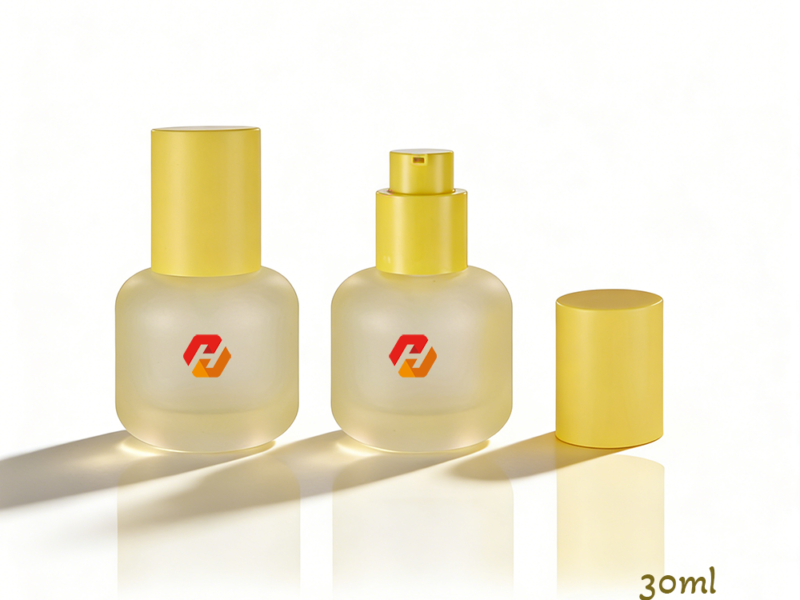
For emerging and established beauty brands alike, packaging often represents 20% to 40% of the total Cost of Goods Sold (COGS). While high-end aesthetics are non-negotiable in the cosmetic industry, over-engineering or inefficient manufacturing choices can quickly erode profit margins.
Reducing cosmetic packaging cost is not merely about choosing cheaper materials; it is an exercise in value engineering. It requires a deep understanding of material properties, molding constraints, and decoration complexities. By optimizing the intersection of design and manufacturing, brands can achieve a premium feel while maintaining a lean supply chain.
Optimize Material Selection for Performance and Price
The choice of resin or substrate is the primary driver of unit cost. In the cosmetic sector, materials are often selected for their “clarity” or “heft,” but these attributes come with different price tags.
-
PET vs. Glass: While glass offers a luxury feel, its weight significantly increases shipping costs and breakage risk. High-quality PET bottles provide glass-like transparency with a fraction of the weight and lower manufacturing energy requirements.
-
Single-Wall vs. Double-Wall Jars: Brands often use double-wall cosmetic jars to create a “prestige” look. However, transitioning to a well-designed single-wall PP (Polypropylene) jar can reduce material usage by 30% and significantly lower tooling costs.
-
PCR (Post-Consumer Recycled) Integration: While PCR resins sometimes carry a slight premium, they can reduce “Plastic Tax” liabilities in certain regions (like the UK or EU) and improve brand loyalty, leading to better long-term ROI.
Standardize Components to Avoid Custom Tooling Fees
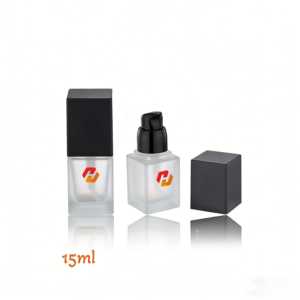
Custom molds for unique bottle shapes or proprietary cap designs can cost anywhere from $3,000 to over $15,000 per cavity. For brands in the growth stage, the most effective way to lower cosmetic packaging cost is to utilize “Stock Molds” with custom finishes.
By selecting a standard neck finish (e.g., 18/410 or 24/410), you gain access to a wider variety of off-the-shelf pumps, sprayers, and caps. This prevents “vendor lock-in” and allows you to negotiate better rates among different component manufacturers. Customization should happen at the decoration level—color masterbatches, silk screening, or labeling—rather than the structural level.
Leverage Cosmetic Tubes for High-Volume SKUs
When comparing cosmetic tubes to bottles or jars, tubes are almost always the most cost-effective format per milliliter of product.
| Feature | Cosmetic Tubes (PE/ABL) | Cosmetic Bottles (PET/Glass) |
| Material Cost | Lowest | Moderate to High |
| Decoration Area | 360-degree coverage | Limited by shape |
| Shipping Efficiency | High (Lightweight/Flat) | Lower (Volume/Weight) |
| Product Evacuation | Up to 95% | 80-90% (unless airless) |
For cleansers, hand creams, and primers, switching from a bottle-and-pump assembly to a flexible tube with a flip-top cap can reduce the total packaging assembly cost by as much as 50%.
Simplify Decoration and Finishing Techniques
The number of “passes” a package makes through a decoration line determines the secondary cost. Each color in silk-screen printing or each hit of hot stamping adds to the unit price and the scrap rate.
-
Limit Print Colors: Moving from a 4-color silk screen to a 2-color design can significantly reduce labor costs.
-
In-Mold Labeling (IML) vs. Pressure Sensitive Labels: For high-volume jar production, IML can be more cost-effective as it eliminates the secondary labeling step.
-
Mass Coloration: Instead of spray-coating a clear bottle to achieve a matte finish, use a matte masterbatch during the injection molding process. This provides a durable finish that won’t scratch and removes an entire stage of production.
Evaluate the “Airless” Value Proposition
At first glance, airless pump systems are more expensive than traditional dip-tube pumps. However, they can reduce overall costs in the following ways:
-
Preservative Reduction: Because the product is not exposed to air, chemists can often use simpler, less expensive preservative systems.
-
Higher Concentration: Airless systems allow for high-viscosity formulas that might otherwise require expensive wide-mouth jars.
-
Consumer Trust: Precision dosing (e.g., 0.25ml per pump) ensures the consumer uses the product as intended, reducing “over-use” and increasing the repurchase rate.
Design for Logistics (Cube Optimization)
Freight costs are often overlooked during the design phase. Round bottles, while classic, create “dead air” in shipping cartons.
-
Oval or Square Profiles: These shapes often tessellate better, allowing more units per master carton and per pallet.
-
Nested Packaging: Designing components that can nest (like certain tapered jars) can reduce inbound shipping costs for empty containers by up to 20%.
Strategic Sourcing and Lead Time Management
In manufacturing, “rush” is the enemy of “cheap.” High cosmetic packaging costs are often the result of expedited air freight or “small batch” surcharges.
-
Consolidated Orders: Grouping the production of different SKUs that use the same material (e.g., all white PP caps) allows the manufacturer to run the machines longer without color changes, reducing the price per unit.
-
Forecasting Accuracy: Providing a 6-month rolling forecast to your supplier allows them to purchase raw materials during market dips and schedule production during “off-peak” hours.
FAQ
Q: How does the MOQ (Minimum Order Quantity) affect my unit cost?
A: In cosmetic packaging, setup costs (machine calibration, color matching) are fixed. A run of 5,000 units will always have a higher per-unit cost than a run of 50,000 because those fixed costs are spread over fewer items. Increasing your order to meet the next price break often yields a 10-15% saving.
Q: Can eco-friendly packaging actually save money?
A: Yes, if approached via “light-weighting.” By reducing the gram weight of a plastic bottle through advanced wall-thickness control, you use less resin and pay less in shipping. Additionally, switching from a multi-material component (like a metal-collared pump) to a mono-material (all-PP) pump facilitates recycling and often simplifies the assembly process.
Q: What is the most expensive part of a cosmetic bottle?
A: Generally, the dispensing mechanism (the pump or sprayer) is the most expensive component due to the internal springs, gaskets, and multiple moving parts. Simplifying to a disc-top or flip-top cap is the fastest way to slash costs.
Q: Should I buy components and bottles from different suppliers?
A: While it might seem cheaper to “cherry-pick,” it increases the risk of fitment issues (leaking). Buying a complete set (bottle + closure) from a single source ensures compatibility and reduces the logistical cost of managing multiple shipments.
Reference Sources
-
International Safe Transit Association (ISTA): Guidelines on packaging weight optimization and transit testing to reduce breakage costs.
-
Association of Plastic Recyclers (APR): Technical guides on mono-material design which can lower compliance costs.
-
Sustainable Packaging Coalition (SPC): Research on material efficiency and the economic impact of PCR resins.