
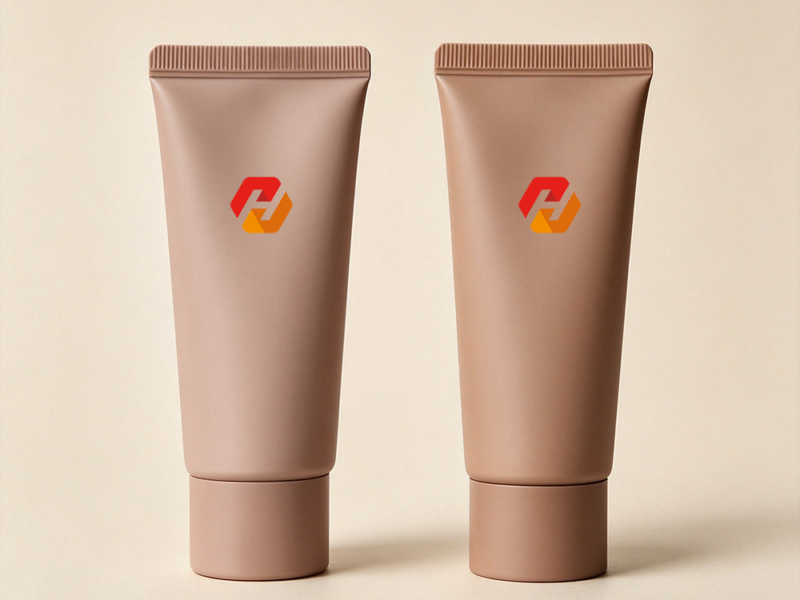
Selecting the right lotion bottle supplier is a strategic decision that bridges the gap between chemical stability and consumer brand perception. In the high-stakes cosmetic industry, the packaging must do more than just hold a product; it must preserve active ingredients, ensure precise dispensing, and withstand global supply chain rigors.
For procurement managers and OEM founders, the search for a supplier often begins with cost but must conclude with technical compatibility. Whether you are launching a luxury body cream or a high-volume clinical moisturizer, understanding the manufacturing logic behind the container is essential for long-term ROI.
Material Engineering: PET, Glass, or Sustainable PCR?
The chemical composition of your lotion dictates the material of the bottle. High-viscosity formulations often require specific barrier properties to prevent oxidation or ingredient leaching.
-
PET (Polyethylene Terephthalate): The industry standard for body lotions. It offers high clarity, is shatter-resistant, and provides an excellent moisture barrier. PET is also the most widely recycled plastic.
-
Glass: Preferred for premium or “clean beauty” brands. It is chemically inert, meaning there is zero risk of interaction with essential oils or active acids. However, logistics costs are higher due to weight.
-
PCR (Post-Consumer Recycled) Plastics: Increasingly mandatory for brands targeting EU and North American markets. Professional suppliers now offer PCR content ranging from 30% to 100% without compromising the bottle’s structural integrity.
When browsing professional catalogs, such as Hyrun Packaging’s body lotion bottles, you will find that a versatile supplier provides these materials in various neck finishes, typically 24/410 or 28/410, to match standard pump mechanisms.
Pump Engineering: The “Heart” of Lotion Packaging
A common failure point in lotion packaging isn’t the bottle itself, but the pump mechanism. A professional lotion bottle supplier must provide technical data on the pump’s performance.
| Technical Feature | Industrial Specification | Business Impact |
| Dosage Output | 1.0cc, 2.0cc, to 4.0cc | Controls consumer usage and product longevity. |
| Spring Mechanism | External vs. Internal Spring | Prevents metal contact with sensitive formulas. |
| Lock System | Screw Lock vs. Clip Lock | Critical for e-commerce shipping safety (leak prevention). |
| Dip Tube Length | Custom-cut to 1mm tolerance | Maximizes product evacuation efficiency, ensuring minimal product waste inside the container. |
For lotions with high viscosity, a pump with a larger “ball valve” and a wider dip tube is necessary to prevent clogging. Always request a “compatibility test” where the supplier tests your specific formula with their pump spring tension.
Evaluating Supplier Manufacturing Capability
When moving to the wholesale phase, the supplier’s factory capacity becomes the bottleneck or the catalyst for your growth. Evaluation should go beyond the digital catalog.
Quality Control & AQL Standards
Is the supplier certified under ISO 9001:2015? In large-volume production, “Acceptable Quality Levels” (AQL) are vital. A professional supplier should offer an AQL of 1.5 or 2.5 for both major and minor defects, ensuring that thousands of units arrive without scratches, vacuum leaks, or pump failures.
Customization and Surface Treatment
Branding is achieved through post-processing. Evaluate if the supplier offers in-house:
-
Silk Screen Printing: For durable, tactile labeling.
-
Hot Stamping: Essential for gold/silver metallic luxury branding.
-
UV Coating & Frosting: To change the light transmission and feel of the bottle.
-
Custom Color Matching: Utilizing Pantone references to ensure brand consistency across different production batches.
Tooling and Scalability
In the OEM/ODM sector, the ability to create custom molds is a major differentiator. If you require a unique silhouette that isn’t “off-the-shelf,” the supplier must have a dedicated mold-making department. This significantly reduces the time from prototype to mass production.
Logistics and Lead Time Realities
In the current global climate, lead times are a critical metric. Standard wholesale orders for in-stock items might ship in 7–14 days. However, custom-colored bottles with printing typically require 30–45 days.
A reliable supplier should provide transparent shipping data, including carton dimensions and palletization plans. This allows your logistics team to calculate the “landed cost” accurately. Suppliers like Hyrun Packaging emphasize a streamlined workflow from sample approval to final shipping, which is crucial for maintaining launch timelines.
Next Steps: Moving from RFQ to Sampling
The final step in selecting a lotion bottle supplier is the sampling phase. Never commit to a wholesale order without physical samples.
Pressure Simulation Test: Fill the bottle with your product and place it under simulated air pressure conditions to replicate air travel stress.
Drop Test: Ensure the material (especially if PET or Glass) doesn’t shatter at a 1.2-meter drop.
Color Verification: Check the print quality under “D65” standard lighting to ensure color accuracy.
FAQ
What is the typical MOQ for a lotion bottle supplier?
For standard in-stock bottles, MOQs can be as low as 1,000–3,000 units. For custom colors or private molds, expect MOQs between 10,000 and 30,000 units to offset machine setup costs.
Can I get eco-friendly lotion bottles?
Yes. Suppliers now offer PETG (highly recyclable), PCR (Post-Consumer Recycled) plastics, and biodegradable additives. Monomaterial pumps (made entirely of PP) are also becoming a trend to ensure the entire assembly is recyclable.
How do I prevent lotion pumps from leaking during shipping?
Choose a “screw-down” or “left-right” locking pump. Additionally, ensure the supplier uses high-quality PE liners inside the cap to provide a secondary hermetic seal.
What information should I provide in an RFQ (Request for Quote)?
Include the bottle volume (e.g., 250ml), material preference, pump dosage (e.g., 2cc), surface treatment (e.g., matte frosting), and your estimated annual volume.
Reference Sources
-
ISO 9001:2015: Quality Management Systems — Requirements.
-
ASTM D3475: Standard Classification of Child-Resistant Packages.
-
SGS Packaging Services: Cosmetic Packaging Testing and Compliance.
-
Sustainable Packaging Coalition (SPC): PCR Plastic Design Guides.