
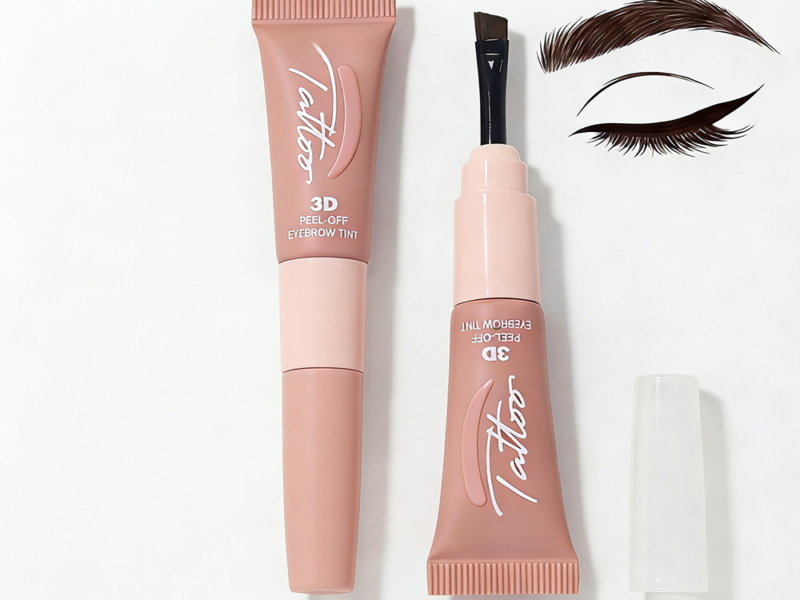
The global cosmetic packaging market is increasingly defined by precision engineering and material safety. For procurement managers and brand owners, sourcing mascara tubes wholesale is not merely a matter of finding the lowest price point; it is a technical evaluation of airtightness, applicator performance, and supply chain reliability.
When a consumer evaluates a mascara, they are judging the “formula-applicator-wiper” trinity. If any of these three components fail, the product fails. This guide outlines the technical and commercial variables essential for high-volume procurement of mascara packaging.
The Architecture of a High-Performance Mascara Tube
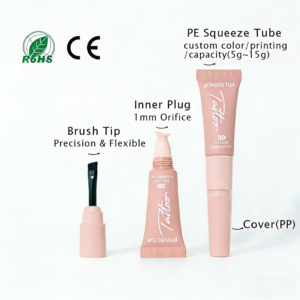
A professional-grade mascara tube is an assembly of four critical components: the bottle, the cap (integrated with the wand), the wiper, and the brush. Each requires specific tolerances to ensure product longevity and user experience.
-
The Wiper (The Gatekeeper): Usually made of LDPE (Low-Density Polyethylene), the wiper’s internal diameter must be calibrated to the specific viscosity of your formula. A wiper that is 0.1mm too wide results in “clumping” and messy application; one that is too tight can cause “popping” and stem breakage.
-
The Bottle (The Reservoir): Common materials include ABS (Acrylonitrile Butadiene Styrene) for its high gloss and impact resistance, or PETG for its superior chemical clarity and compatibility with volatile formulas.
-
The Applicator (The Delivery System): Whether using molded TPE (Thermoplastic Elastomer) brushes or traditional twisted-wire nylon bristles, the “pick-up” rate must be tested against the internal pressure of the tube.
Material Compatibility and Chemical Resistance
In the wholesale cosmetic industry, “leaching” is a significant risk. Mascara formulas often contain complex waxes, pigments, and preservative systems that can react with low-quality plastics.
-
ABS (Acrylonitrile Butadiene Styrene): Best for premium aesthetics and secondary decorating (like UV metallization). It offers excellent rigidity.
-
AS (Acrylonitrile Styrene): Known for its transparency and chemical resistance, though more brittle than ABS.
-
PP (Polypropylene): Often used for internal components due to its high resistance to solvents and oils, though it has a more “waxy” finish.
When sourcing mascara tubes wholesale, reputable suppliers like Hyrun Packaging provide technical datasheets that specify material grades, ensuring your formula won’t degrade the integrity of the container over its shelf life.
Comparison: Nylon Bristle vs. Molded Plastic Brushes
| Feature | Nylon (Twisted Wire) Brushes | Molded (Silicone/TPE) Brushes |
| Volume Building | High; holds more formula between bristles. | Moderate; focuses on separation. |
| Precision | Lower; can be prone to clumping. | High; defined teeth for “comb-like” effect. |
| Customization | Limited to trim length and density. | Infinite; geometry can be precisely engineered. |
| Cost | Generally lower for high-volume orders. | Higher initial tooling cost; lower unit cost later. |
| Best For | Traditional thickening formulas. | Lengthening and waterproof formulas. |
Navigating the Wholesale Sourcing Workflow
Transactional success in the B2B cosmetic space depends on a standardized procurement timeline. For a brand manager, the workflow typically follows this trajectory:
1. Technical Sampling and Compatibility Testing
Before placing a bulk order for thousands of units, “stability testing” is non-negotiable. This involves filling the tubes with your specific formula and subjecting them to temperature fluctuations (e.g., 45°C for 3 months) to check for leakage, weight loss, or chemical reaction.
2. Customization and Secondary Processes
Wholesale suppliers offer various finishing techniques to align with brand identity:
-
Silk Screening: Durable, high-opacity printing.
-
Hot Stamping: Adds metallic foils (Gold, Silver, Rose Gold).
-
UV Coating/Metallization: Provides a high-end mirror finish.
-
Soft Touch Spray: Gives the tube a premium, matte, rubberized feel.
3. Quality Assurance (AQL Standards)
Professional suppliers operate under AQL (Acceptable Quality Limit) 1.5 or 2.5. This means during mass production, random samples are pulled to check for visual defects (scratches, dust), functional defects (leaks, loose caps), and structural defects (material stress cracks).
Production Capacity and Lead Times
When ordering mascara tubes wholesale, lead times generally range from 30 to 45 days, depending on the complexity of the customization.
-
Stock Components: If the supplier has the molds ready and you only require a custom color, lead times may be shorter.
-
Custom Tooling: If your brand requires a unique tube shape or a proprietary brush design, allow an additional 30 days for mold fabrication and T1 samples.
For brands looking to minimize logistics headaches, sourcing from a consolidated supplier like Hyrun Packaging allows for a streamlined “one-stop” approach—managing the bottle, brush, and wiper assembly under a single ISO-certified quality management system.
Regulatory Compliance and ESG Considerations
Global cosmetic brands must adhere to strict regulatory frameworks such as REACH (EU) and FDA (US). Ensure your supplier provides:
-
BPA-Free Certifications: Essential for modern consumer safety.
-
Heavy Metal Testing: Ensuring pigments in the plastic don’t contain lead or mercury.
-
PCR Options: Post-Consumer Recycled (PCR) plastics are becoming a standard requirement for sustainable brands looking to reduce their carbon footprint in the packaging phase.
Strategic Procurement: Avoiding Common Pitfalls
-
Ignoring the “Popping” Effect: If the wiper is too tight, the air pressure inside the tube can cause the cap to unscrew itself or “pop” off during transit. Ensure the thread design accounts for internal pressure.
-
Overlooking Stem Length: The wand length must be perfectly matched to the bottle depth to ensure the user can reach the product at the bottom without excessive “pumping,” which introduces air and dries out the formula.
-
Inconsistent Bristle Alignment: In low-cost wholesale lots, twisted wire brushes often suffer from “shedding” or uneven trims. Insist on a supplier that uses high-tension stainless steel wire for the wand core.
Why Partner with Hyrun Packaging for Wholesale Needs?
In the competitive landscape of mascara tubes wholesale, Hyrun Packaging stands out by bridging the gap between high-volume manufacturing and boutique-level quality control. Their catalog features a diverse range of tube geometries—from slim “travel-size” vials to high-capacity lash serum containers.
By integrating advanced injection molding with precise brush manufacturing, they provide a technical foundation that allows cosmetic brands to focus on their formula while the packaging remains reliable, aesthetic, and compliant.
FAQ: Mascara Tubes Wholesale
Q: What is the typical Minimum Order Quantity (MOQ) for wholesale mascara tubes?
A: For standard stock colors, MOQs can be as low as 3,000 to 5,000 units. For custom-colored plastics or proprietary shapes, most manufacturers require a minimum of 10,000 to 12,000 units to justify the machine setup and color purging.
Q: Can I mix and match different brushes with the same tube?
A: Yes. Most professional suppliers offer interchangeable brush heads. However, you must ensure the brush diameter is compatible with the wiper’s inner orifice to maintain an airtight seal.
Q: How do I ensure my mascara formula won’t leak during shipping?
A: Request a “vacuum leak test” report from your supplier. This involves placing filled tubes in a vacuum chamber to simulate the pressure changes experienced during air freight.
Q: Are eco-friendly materials available for mascara tubes?
A: Yes, many suppliers now offer PCR (Post-Consumer Recycled) ABS or PETG. Some also offer bio-based plastics, though compatibility testing is even more critical for these materials to ensure they don’t degrade.
Q: Do you provide samples for testing?
A: Reputable suppliers provide “blank” samples for initial compatibility and mechanical testing. Pre-production samples (PPS) with your specific colors and logos are usually provided after the deposit is paid but before mass production begins.
Reference Sources
-
ISO 22716: Good Manufacturing Practices (GMP) for Cosmetics.
-
FDA Cosmetic Packaging Regulations: Guidelines on material safety and labeling.
-
PCPC (Personal Care Products Council): Industry standards for cosmetic component testing.
-
ASTM D3475: Standard Classification of Child-Resistant Packages (relevant for secondary seals).