
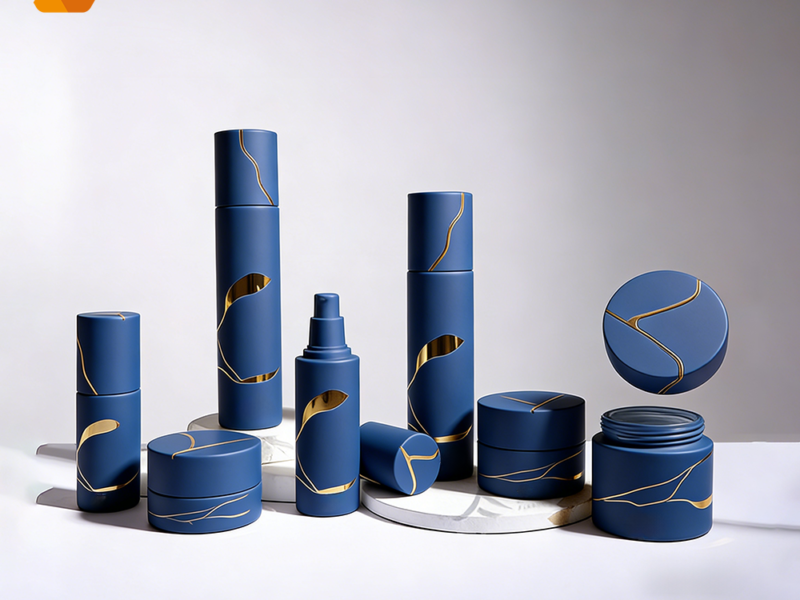
Cosmetic packaging often accounts for 20% to 40% of a product’s total Cost of Goods Sold (COGS). For B2B buyers, manufacturing consultants, and OEM project managers, reducing these expenses without compromising brand aesthetics or structural integrity is a critical procurement objective.
To reduce bulk cosmetic packaging costs effectively, procurement teams should:
-
Transition from heavy glass to durable PET/HDPE for high-volume, daily-use formulations.
-
Utilize standard factory molds to eliminate upfront custom tooling fees.
-
Consolidate supplier purchasing to reach higher Minimum Order Quantity (MOQ) tiers.
-
Simplify surface decoration by minimizing multi-pass printing processes.
-
Partner directly with manufacturing facilities to avoid distributor markups.
Achieving cost efficiency requires balancing manufacturing constraints, material tradeoffs, and freight logistics.
How Material Selection Impacts Landed Costs
Material choice dictates not only the per-unit production cost but also the final landed cost due to freight weight and breakage rates. In large-volume production, selecting the right polymer or glass grade is the fastest way to stabilize budgets.
PET and HDPE vs. Glass
Premium food-grade glass offers high chemical resistance, making it ideal for light-sensitive serums and highly concentrated essential oils. However, glass is heavy and fragile. It requires specialized dunnage and significantly increases the volumetric weight of shipping pallets.
For daily-use cleansers, body lotions, and hotel amenities, switching to PET or HDPE plastics reduces material costs and slashes freight expenses by up to 40%. Eco-friendly refillable plastics and Post-Consumer Recycled (PCR) materials are also becoming cost-competitive alternatives that align with sustainability goals.
| Material | Relative Cost | Weight Profile | Best Application |
| Glass | High | Heavy | Luxury serums, essential oils |
| PET | Low | Lightweight | Lotions, shampoos, body washes |
| HDPE | Low | Medium | Sunscreens, thick creams, cleansers |
| PP | Medium | Lightweight | Airless pump mechanisms, caps |
Standardizing Molds vs. Custom Tooling Amortization
Developing a unique bottle silhouette requires custom steel or aluminum blow-molding tooling. Tooling costs can range from a few thousand to tens of thousands of dollars, depending on cavitation and complexity.
Unless a project guarantees multi-million-unit annual production, custom molds drive up the per-unit cost significantly during the amortization period. To reduce costs, experienced buyers leverage standardized, off-the-shelf molds provided by the manufacturer.
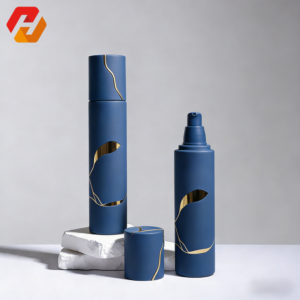
Standard bottles (such as Boston Rounds or standard square pumps) eliminate tooling fees entirely. Brands can still achieve a highly customized, premium appearance on standard shapes by utilizing diverse texture finishes like frosting, matte coatings, or gradient color injections.
Cost Strategies for High-Volume Skincare Lines
For mass-market brands and cross-border e-commerce sellers, packaging workflow efficiency directly impacts profit margins. The complexity of the dispensing mechanism is a major cost driver in skincare packaging.
Airless vacuum pumps, while excellent for preserving formula potency, require multiple engineered PP components. If the formulation does not strictly require an oxygen-free environment, downgrading to a standard press pump or a precision dropper can reduce unit costs.
Furthermore, minimizing surface decoration complexity yields immediate savings. Multi-pass hot stamping and embossed logos require higher labor inputs and naturally result in higher scrap rates during quality inspection. A single-pass silk-screen print or the integration of high-quality waterproof labels provides a polished aesthetic with a much lower defect rate.
Navigating Bulk Cosmetic Packaging MOQ Requirements
Supplier minimums dictate procurement flexibility. Standard MOQs in the bulk cosmetic packaging industry typically hover around 5,000 to 10,000 pieces per design or colorway.
Ordering strictly at the MOQ threshold often results in the highest per-unit tier pricing. Buyers can negotiate better pricing by consolidating their packaging portfolio with a single supplier. Instead of sourcing glass dropper bottles from one factory and PE cosmetic tubes from another, centralizing the purchase order increases total volume.
Consolidated shipping also maximizes container space utilization. Shipping a mix of lightweight tubes and heavier glass jars in a single Full Container Load (FCL) optimizes the freight cost per unit compared to shipping multiple Less than Container Load (LCL) shipments.
Evaluating Hyrun Packaging for Consolidated Procurement
Selecting a capable, direct factory supplier is the final step in an effective cost-reduction strategy. A vertically integrated manufacturer eliminates middleman margins and provides direct access to both standard molds and customization capabilities.
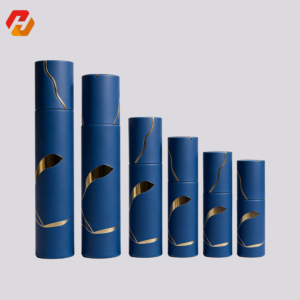
Hyrun Packaging serves as a prime example of a comprehensive OEM partner for bulk cosmetic packaging. Their manufacturing capabilities cover a full spectrum of cosmetic formats, from 5ml sample vials for concentrated essences to 500ml bulk containers for shampoos and body washes.
To help brands manage costs while maintaining quality, Hyrun provides:
-
Material Versatility: Options ranging from premium food-grade glass for sensitive formulations to durable PET/HDPE for mass-market cleansers.
-
Dispensing Standardization: Access to standard precision droppers, airtight vacuum pumps, and foaming pumps, avoiding unnecessary custom tooling.
-
Flexible MOQs: Baseline minimums of 5,000 pieces per design for most glass dropper and airless pump bottles, accommodating small-batch trials and large-scale retail runs.
-
In-House Customization: Controlled silk-screen printing, hot stamping, and matte/frosted finishes, which keeps defect rates low and ensures predictable 20-25 day lead times.
By leveraging a supplier with built-in quality control—including leak-proof and corrosion-resistance testing—brands minimize the financial impact of defective packaging arriving at the filling facility.
FAQ
What is the standard MOQ for bulk cosmetic bottles?
For customized colors and printed designs, factory-direct MOQs generally range from 5,000 to 10,000 units per specific design. Standard stock items without custom silk-screening may sometimes be negotiated at lower volumes, but 5,000 pieces is the industry baseline for favorable B2B pricing.
How do surface treatments affect bulk packaging costs?
Every additional pass through a printing machine increases costs. Single-color silk-screen printing is highly cost-effective. Adding multi-color hot stamping, gradient painting, or custom matte/frosted finishes increases labor time, machine use, and potential scrap rates, raising the unit price.
Why are airless pump bottles more expensive than standard lotion pumps?
Airless pumps utilize a piston mechanism inside the cylinder to dispense 100% of the product without allowing air back in. This requires precision-engineered components, stricter dimensional tolerances, and higher-grade PP materials, making them more costly to manufacture than standard dip-tube lotion pumps.
Can standard standardized packaging look premium without custom molds?
Yes. High-end aesthetic appeal can be achieved on standard factory molds through premium surface finishes. Utilizing matte coatings, custom Pantone color matching, metallic hot-stamped logos, and high-quality secondary packaging creates a luxury feel without the expense of custom steel tooling.
Reference Sources
-
ISO 9001:2015 Quality Management Systems: Guidelines for manufacturing consistency and quality assurance in packaging production.
-
FDA CFR Title 21 (Part 177): Federal regulations governing indirect food additives and polymers, establishing safety compliance for PET, HDPE, and PP materials used in cosmetic contact.
-
ASTM D3474-90(2018): Standard Practice for The Calibration and Use of Torque Meters Used in Packaging Applications, relevant for ensuring leak-proof sealing in pump and dropper mechanisms.