
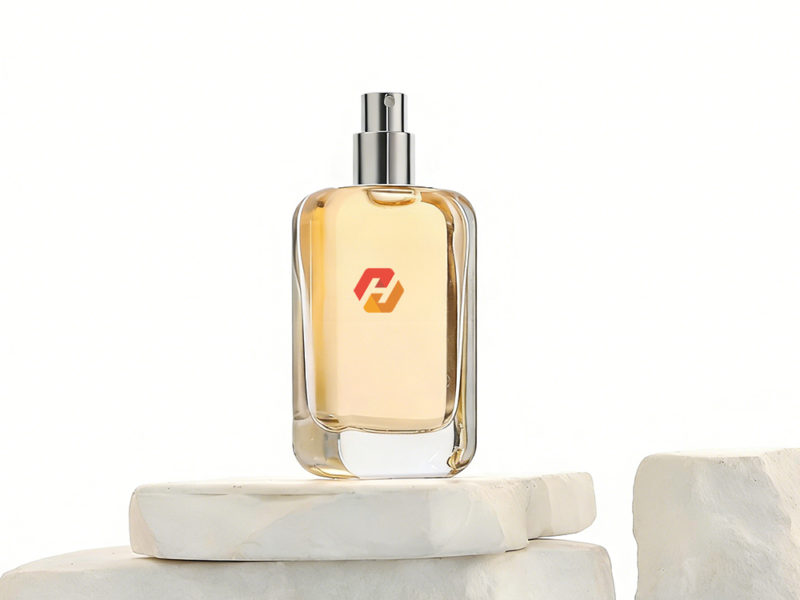
Procuring cosmetic packaging bulk involves more than comparing unit prices. For procurement managers and brand owners, it is a technical exercise in balancing formula integrity with manufacturing efficiency. When scaling from pilot runs to mass production, the variables affecting your final landed cost and shelf success become increasingly complex.
Success in high-volume sourcing requires a deep understanding of polymer science, mold engineering, and logistics. This guide provides the technical framework necessary to evaluate suppliers and optimize your packaging budget.
Decoding the Primary Cost Drivers in Cosmetic Packaging Bulk Orders
In the packaging industry, unit costs are dictated by a hierarchy of technical factors. While volume provides leverage, material specs and mechanical complexity often carry more weight in the final RFQ.
Material Composition and Market Trends
Standard PET remains the benchmark for clarity and cost-efficiency. However, the shift toward sustainability has introduced PCR (Post-Consumer Recycled) resins, which typically command a 15% to 25% premium. Glass offers superior chemical inertness but significantly increases shipping costs due to its weight and the need for enhanced protective packaging.
Tooling and Mold Amortization
Custom shapes require proprietary molds. These initial capital expenditures can range from $2,000 to over $15,000. In bulk orders, these costs are eventually amortized across units, but they represent a significant front-end barrier for new product lines.
Functional Complexity
The “Airless” system is a prime example of functional cost. Unlike traditional dip-tube pumps, airless cosmetic bottles utilize a vacuum piston. This prevents formula oxidation and allows for nearly 100% product evacuation, but it increases the mechanical part count, raising prices by 30% compared to standard sprayers.
Material Selection: Matching Packaging to Formula Chemistry
A common failure in bulk procurement is prioritizing aesthetics over chemical compatibility. Not every container is suited for every active ingredient.
Cosmetic Bottles and Dispensing Systems
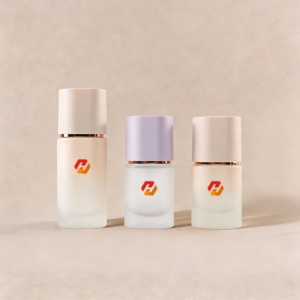
For high-viscosity lotions, wide-neck bottles are standard. For volatile active ingredients like Vitamin C, opaque or UV-coated bottles are mandatory to prevent degradation. Hyrun’s bottle selection showcases the transition from standard PET to high-end glass and airless systems, reflecting the need for varying levels of barrier protection.
Technical Evolution of Cosmetic Tubes
Modern cosmetic tubes have moved beyond simple mono-layer PE. ABL (Aluminum Barrier Laminate) tubes are now the industry standard for pharmaceutical-grade cosmetics. They provide an impermeable barrier against oxygen. For eco-conscious brands, Sugarcane PE offers a renewable alternative without compromising the tactile “squeeze” feel.
Structural Integrity in Cosmetic Jars
Luxury creams often utilize double-wall cosmetic jars. The inner wall, typically PP, ensures chemical compatibility. The outer wall, often Acrylic or Glass, provides the prestige weight. This multi-material approach requires precise engineering to ensure thread alignment under high-speed automatic capping lines.
Customization Techniques and Economic Impact
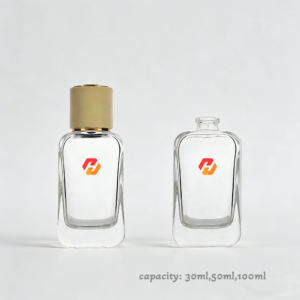
In the “cosmetic packaging bulk” market, the finish differentiates the brand. However, every decorative layer adds a “pass” through the production line, which increases the scrap rate and the final price.
| Customization Method | Ideal For | Cost Impact | Technical Consideration |
| Silk Screen Printing | Simple logos, 1-2 colors | Low to Medium | Requires high-quality ink to prevent peeling on flexible tubes. |
| Hot Stamping | Metallic accents (Gold/Silver) | Medium | Heat-sensitive materials may require specific foil grades. |
| UV Coating | High-gloss, metallic finishes | Medium to High | Provides excellent scratch resistance for luxury items. |
| Frosting/Matte Spray | Premium skincare jars | Medium | Can hide minor surface imperfections in glass. |
Manufacturing Quality and Compliance Standards
When sourcing at scale, a 1% defect rate results in thousands of unusable units. Professional manufacturing consultants look for specific quality signals to ensure consistency.
Vacuum Leakage Testing: Essential for bottles and jars to ensure seals hold during air transit or temperature fluctuations.
Torque Consistency: Ensuring that caps are neither too loose (leaking) nor too tight (consumer frustration) for the end-user.
Material Certification: Bulk orders should be accompanied by SGS or FDA compliance certificates to meet international safety standards.
Dimensional Tolerance: High-speed filling lines require containers with strict tolerances (often within +/- 0.5mm) to prevent machine jams.
Strategic Procurement: Navigating MOQ and Lead Times
The global supply chain for cosmetic packaging typically operates on a 35 to 60-day production cycle. This does not include sea freight, which can add another 30 days.
Minimum Order Quantities (MOQ)
Most specialized factories set MOQs between 5,000 and 10,000 units per SKU. While “low MOQ” suppliers exist, they usually offer stock components with limited customization. For true OEM projects where custom colors or PCR materials are used, 10,000 units is the standard threshold for production efficiency.
Lead Time Management
Procurement managers must factor in a 2-week “buffer” for quality inspections. Mass production starts only after the “Golden Sample” is physically signed off. Any delay in sample approval will cascade through the entire production schedule.
Summary
Successful bulk cosmetic packaging procurement requires a synergy between design, chemistry, and supply chain logistics. By understanding the cost drivers of different materials—from cosmetic jars to specialized tubes—brands can make informed decisions that protect their formula and their profit margins. Always prioritize chemical compatibility tests before committing to high-volume orders to avoid costly recalls or stability issues.
FAQ
1. What is the typical MOQ for custom-colored packaging?
For custom Pantone-matched plastics or coated glass, most manufacturers require a minimum of 10,000 units. This volume justifies the “purge” required to clean injection molding machines between different color batches.
2. How can I ensure formula compatibility with plastics?
Perform a 4-to-8 week stability test. Place the formula in the container and subject it to accelerated aging at 40°C. This checks for discoloration, material migration, or container warping before mass production.
3. What are the benefits of airless bottles in bulk?
Airless systems protect preservative-free or sensitive formulas from oxidation. They utilize a mechanical pump rather than a dip tube, ensuring the consumer can use every drop of the product without waste.
4. Do bulk prices usually include shipping and duties?
Standard quotes are provided as FOB (Free on Board) or EXW (Ex-Works). Buyers must calculate sea freight, local drayage, and import tariffs separately to determine the true landed cost per unit.
Reference Sources
ISO 22716 Good Manufacturing Practices for Cosmetics
SGS Comprehensive Testing for Cosmetic Packaging Safety