
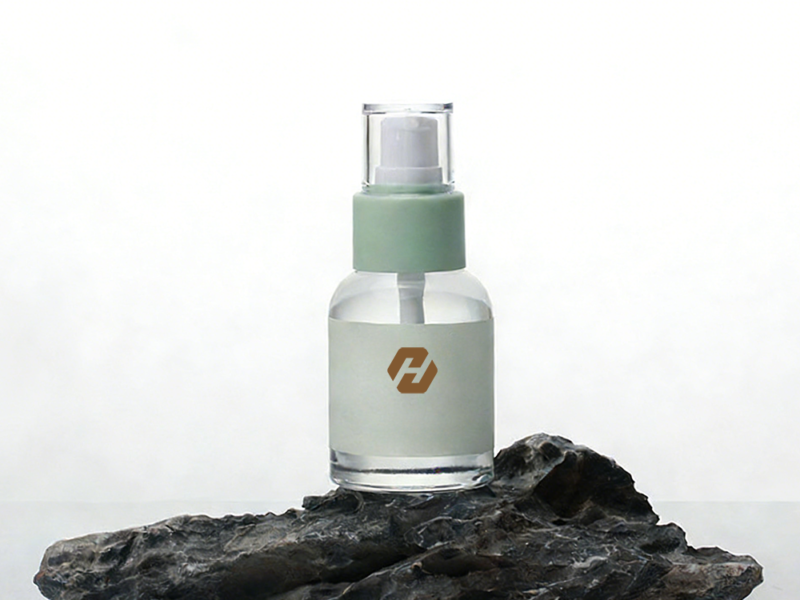
Selecting a glass bottle manufacturer is a strategic decision that impacts both brand perception and product shelf life. For cosmetic brands, the packaging must provide a superior barrier against external contaminants while maintaining a luxury aesthetic. Navigating the global supply chain requires an understanding of glass chemistry, molding tolerances, and secondary processing capabilities.
Material Composition and Glass Purity
The foundation of a premium bottle lies in the raw material. A leading glass bottle manufacturer typically works with different grades of glass, each suited for specific cosmetic applications.
Super Flint Glass: Known for its crystal-clear transparency and high refractive index, making it the primary choice for luxury perfumes.
Type III Soda-Lime Glass: The industry standard for most skincare products, offering excellent chemical stability and hydrolytic resistance.
When vetting suppliers, it is essential to review their batch reports. High-quality manufacturers, such as those specializing in cosmetic glass bottles, ensure low iron content to avoid the greenish tint common in lower-grade glass. This purity is vital for brands where the natural color of the serum or oil is a key selling point.
Precision Molding and Manufacturing Techniques
The manufacturing process—specifically the transition from molten glass to a finished container—dictates the functional reliability of the packaging.
Blow-and-Blow (B&B): Effective for narrow-neck bottles but can lead to variations in wall thickness.
Press-and-Blow (P&B): The preferred method for jars and high-end bottles, ensuring a more consistent distribution of glass.
Quality Indicators for Glass Manufacturing
| Feature | What to Look For | Manufacturing Significance |
| Wall Thickness | Uniformity (±0.5mm) | Prevents breakage during thermal shock or high-pressure filling. |
| Neck Finish | Standardized (E.g., 24/410) | Ensures airtight seal with pumps, droppers, or sprayers. |
| Annealing Grade | Residual stress levels | Proper annealing prevents “spontaneous” shattering during shipping. |
| Base Flatness | Zero wobble | Critical for stability on conveyor belts and retail shelves. |
Advanced Decoration and Surface Processing
In the cosmetic industry, the bottle serves as the primary marketing tool. A manufacturer’s ability to execute complex designs in-house is a significant competitive advantage. This reduces the risk of defects that often occur when shipping semi-finished goods between different facilities.
Key technical capabilities to verify include:
Screen Printing & Hot Stamping: Accuracy in multi-color registration is critical for brand consistency.
Frosting and Acid Etching: Look for a uniform matte finish without “thin spots” or transparency gaps.
UV Coating and Electroplating: These provide metallic or high-gloss finishes. Ensure the manufacturer performs adhesion tests to prevent peeling when exposed to essential oils.
Integration and Scalability Factors
Technical synergy between the bottle and its closure is often overlooked. A reliable manufacturer like Hyrun often manages the entire assembly to prevent “tolerance stack-up,” which is the leading cause of leakage in pump-based products.
Before finalizing a partnership, audit the factory’s quality control (QC) infrastructure. Automated optoelectronic inspection machines are necessary for high-volume runs to detect internal cracks or bubbles that the human eye might miss. Furthermore, verify their lead times for custom molds, which typically range from 30 to 45 days.
Summary
Choosing the right glass bottle manufacturer requires a balance of technical auditing and commercial alignment. By focusing on material purity, molding precision, and integrated decoration capabilities, brands can ensure their packaging reflects the quality of the formula inside. Prioritize manufacturers that offer end-to-end QC and demonstrate a clear understanding of the specific rigors of cosmetic chemistry.
FAQ
1. What is the typical MOQ for custom glass bottles?
For standard catalog items, MOQs often range from 5,000 to 10,000 units. However, custom-molded designs usually require a minimum of 20,000 to 50,000 units to justify the machine setup and mold production costs.
2. How to ensure formula compatibility with glass?
Brands should conduct accelerated aging tests by placing the formula in sample bottles at 45°C for several weeks. This helps identify any potential pH shifts or glass surface degradation before mass production begins.
3. What certifications should a manufacturer hold?
A reputable manufacturer should at least hold ISO 9001 for quality management. For brands selling in regulated markets, ensuring the glass meets USP <660> or EP 3.2.1 standards for chemical resistance is highly recommended.
4. Can glass manufacturers support sustainable packaging?
Yes, many manufacturers now offer PCR (Post-Consumer Recycled) glass options. While this may result in slight aesthetic variations, it significantly reduces the carbon footprint and appeals to eco-conscious consumers.
Reference Sources
USP <660> Glass Container Standards
ASTM C149 Thermal Shock Resistance