
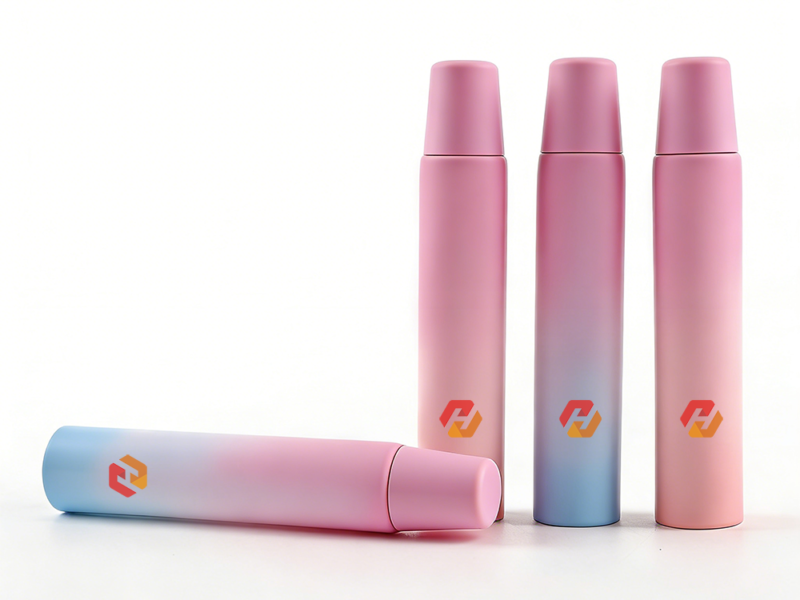
Selecting the right plastic cosmetic packaging supplier is a decision that dictates not only your product’s shelf appeal but its chemical integrity and consumer safety. In the beauty and personal care industry, packaging is never just a container; it is a complex delivery system that must withstand varied chemical formulations, environmental stressors, and rigorous supply chain handling.
Whether you are launching a high-viscosity luxury cream or a volatile botanical serum, the manufacturing capabilities of your supplier determine the success of your go-to-market strategy. This guide breaks down the technical benchmarks and procurement logic required to vet a global packaging partner effectively.
Understanding Material Science in Cosmetic Plastic Packaging
A professional supplier does not just offer “plastic.” They offer specific polymers engineered for chemical resistance and barrier properties. When evaluating a supplier’s catalog, you must align your formulation requirements with the technical characteristics of the resins used.
PET (Polyethylene Terephthalate): Widely used for cosmetic bottles, PET offers glass-like clarity and high impact resistance. It is the gold standard for alcohol-based products and essential oil infusions due to its excellent gas and moisture barrier properties.
PP (Polypropylene): Known for its high melting point and chemical neutrality, PP is the preferred material for cosmetic jars and closures. It is BPA-free and highly resistant to fatigue, making it ideal for “living hinges” on flip-top caps.
PE (Polyethylene): Available in High-Density (HDPE) and Low-Density (LDPE), this material dominates the cosmetic tubes market. Its flexibility allows for precise dispensing of lotions and gels without the risk of stress cracking.
PCR (Post-Consumer Recycled) Plastics: Modern suppliers must offer PCR options. Incorporating 30% to 100% PCR content into PET or PE packaging is now a primary requirement for brands aiming for ESG (Environmental, Social, and Governance) compliance.
Technical Evaluation of Manufacturing Capabilities
A high-tier plastic cosmetic packaging supplier is distinguished by their precision in tooling and secondary processing. During the RFQ (Request for Quote) phase, engineering teams should evaluate the following manufacturing markers:
1. Injection Molding vs. Blow Molding Precision
For airless bottle systems and luxury jars, injection molding provides the tightest tolerances. If your product utilizes an airless pump mechanism, even a 0.1mm variance in the inner diameter of the bottle can lead to oxidative failure or leakage. Ensure your supplier utilizes high-precision CNC-machined molds and maintains a consistent cooling cycle to prevent “sink marks” on thick-walled acrylic components.
2. Surface Decoration and Finishing
In the B2B cosmetic space, the ability to execute complex aesthetics at scale is vital. A competent supplier should demonstrate mastery in:
UV Metalizing: Creating a metallic finish that does not flake or react with the product.
Silk Screen Printing: Ensuring high-adhesion inks that pass the “tape test” for durability.
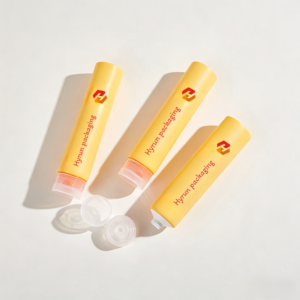
Soft-Touch Coating: Particularly for tubes, providing a premium tactile experience that enhances brand perception.
Matching Packaging Format to Product Viscosity
One of the most common failures in procurement is choosing a format based on aesthetics rather than rheology. A supplier’s technical consultant should guide you through these selections:
Low Viscosity (Liquid/Serums): Require PET bottles with fine-mist sprayers or high-precision droppers. Leak-proof testing (vacuum testing) is mandatory here.
Medium Viscosity (Lotions/Cleansers): Optimal for PE tubes or lotion pumps with glass ball valves to prevent clogging.
High Viscosity (Butters/Masks): Require wide-mouth PP or Acrylic jars. For these, the “seal liner” (such as PE liners or induction seals) is the most critical component for preventing oxidation.
The Strategic Sourcing Workflow: Beyond the Catalog
When transitioning from browsing a supplier’s website to placing a purchase order, the commercial workflow must be rigid to mitigate risk.
1. Compatibility Testing (The Stability Lead-Time)
Never skip the 4–12 week stability test. A reputable supplier will provide samples for you to fill with your actual formulation. This identifies if ingredients (like high concentrations of salicylic acid or citrus oils) cause the plastic to craze, yellow, or leach.
2. Tooling and Customization
While “stock” packaging reduces lead times, custom molds provide brand differentiation. Inquire about the supplier’s in-house R&D capabilities. Can they modify an existing mold to change the neck finish or base weight?
3. Quality Assurance Standards
Look for ISO 9001:2015 certification at a minimum. For brands exporting to the EU or North America, ensure the supplier provides REACH and FDA food-grade compliance certificates for the raw resins used.
Supply Chain Logistics: Lead Times and MOQs
In the current global landscape, lead times for custom plastic packaging typically range from 35 to 50 days, depending on the complexity of the decoration.
MOQ Dynamics: Standard MOQs for custom-colored bottles usually start at 10,000 units. However, suppliers with agile manufacturing lines may offer lower MOQs (3,000–5,000 units) for stock items with custom printing.
Logistics Planning: Consider the “bulkiness” of plastic packaging. Shipping empty jars is essentially shipping air. Expert suppliers offer nesting strategies or localized warehousing to offset high freight costs.
Why Partner with Hyrun Packaging?
As an integrated plastic cosmetic packaging supplier, Hyrun bridges the gap between technical engineering and brand aesthetics. Our production lines are optimized for high-performance delivery systems:
Precision Bottles: Our cosmetic bottle collection includes heavy-wall PET and airless options designed for high-end skincare.
Versatile Tubes: From 13mm to 60mm diameters, our cosmetic tubes utilize multi-layer EVOH barriers to protect sensitive formulations.
Luxury & Utility Jars: Our range of jars covers everything from eco-friendly mono-material PP to high-transparency luxury acrylics.
We provide comprehensive OEM/ODM support, ensuring that your packaging is not just a vessel, but a verified asset to your brand’s market performance.
FAQ: Professional Procurement Insights
Q: How do I prevent my formulation from reacting with plastic packaging?
A: Request a “Material Compatibility Report” and conduct high-temperature oven tests (45°C) for 8-12 weeks. This simulates one year of shelf life and reveals potential leaching or plastic deformation.
Q: What is the difference between mono-material and multi-layer packaging?
A: Mono-material (e.g., all PP) is 100% recyclable and highly favored by modern consumers. Multi-layer packaging (e.g., PE with an EVOH barrier) is used when your product is highly sensitive to oxygen and requires a superior barrier that a single plastic cannot provide.
Q: Can I get custom colors for small orders?
A: Custom Masterbatch (colorant) usually requires a minimum run to ensure color consistency across the batch. If you are below the 10,000-unit mark, consider external spray coating or vacuum metallization on stock clear/white components.
Q: What are the common lead times for new mold development?
A: Typically, 25–35 days for mold creation and sampling, followed by another 30 days for mass production after sample approval.
Reference Sources
ISO 9001:2015: Quality Management Systems – Requirements for Manufacturing.
ASTM D3475: Standard Classification of Child-Resistant Packages.
Sustainable Packaging Coalition (SPC): Guidelines for PCR content and recyclability in plastic resins.
FDA CFR Title 21: Regulation on plastics and polymers in contact with cosmetic substances.