
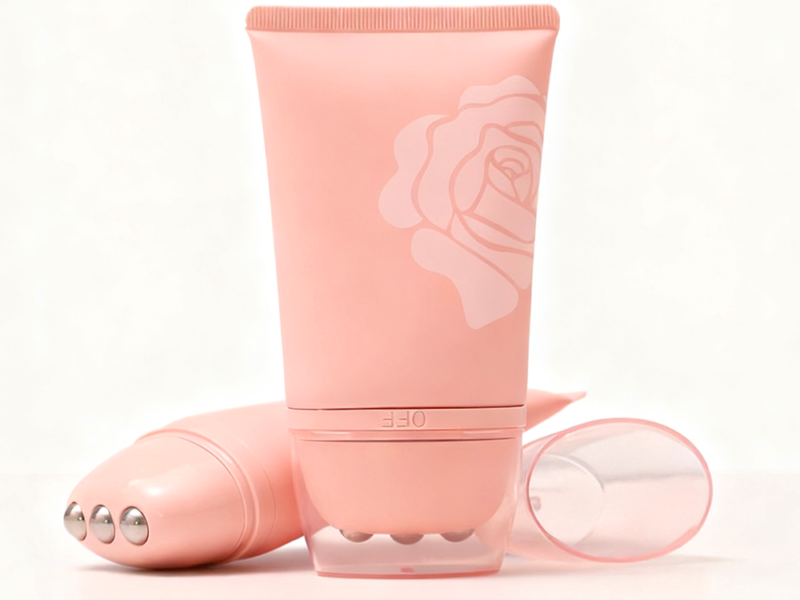
The success of a skincare brand often relies as much on the delivery system as the formula inside. For procurement managers and brand owners, finding a reliable lotion bottle supplier is not merely about sourcing a container; it is about ensuring chemical compatibility, shelf stability, and brand alignment.
The global cosmetic packaging market is shifting toward high-performance materials and sustainable solutions. Whether you are scaling a proven product or launching a niche line, understanding the technical nuances of wholesale versus custom manufacturing is critical for long-term ROI.
Why Material Science Dictates Supplier Choice
Not all plastics are suitable for every lotion formulation. A professional lotion bottle supplier should provide a range of materials based on the viscosity and chemical composition of your product.
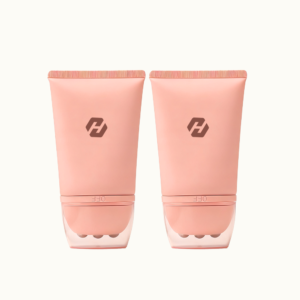
PET (Polyethylene Terephthalate)
PET is the industry standard for transparency and strength. It provides an excellent moisture barrier and is highly resistant to dilute acids and oils. If your brand relies on visual appeal—allowing the color of the lotion to show through—PET is the optimal choice.
PP (Polypropylene)
PP is often used for caps, pumps, and heavy-wall jars. It has a higher melting point than PET and offers better resistance to chemicals and heat. It is slightly more opaque but provides the “squeeze-ability” required for thicker body lotions.
PCR (Post-Consumer Recycled) Plastics
Sustainability is no longer optional. Leading suppliers now offer PCR options, where recycled resin is blended with virgin plastic. This reduces the carbon footprint and appeals to eco-conscious consumers without sacrificing the structural integrity of the bottle.
Custom vs. Wholesale: Balancing Brand and Budget
The decision between purchasing wholesale stock or investing in custom molds depends on your market position and volume.
Wholesale/Stock Options
-
Speed to Market: Stock bottles are ready for immediate labeling and shipment.
-
Lower MOQs: Ideal for startups or limited-edition seasonal scents.
-
Cost Efficiency: No tooling fees are required, making it the most economical path.
Custom Manufacturing
-
Unique Geometry: Custom molds allow for proprietary shapes that prevent counterfeiting and enhance shelf presence.
-
Surface Treatments: Specialized finishes like soft-touch coating, frosted textures, or vacuum metallization.
-
Integrated Branding: Embossing or debossing logos directly into the bottle wall.
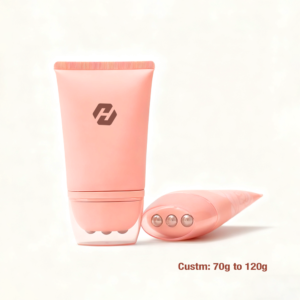
Technical Performance of Dispensing Systems
A lotion bottle is only as effective as its pump. When evaluating a lotion bottle supplier, the engineering of the dispensing mechanism must be a primary focus.
| Feature | Specification Detail | Importance |
| Dosage Output | 0.5cc, 1.0cc, 2.0cc, to 4.0cc | Controls product usage and consumer value perception. |
| Closure Size | 24/410, 28/410, 33/410 | Ensures a leak-proof seal with the bottle neck. |
| Locking Mechanism | Up-lock, Down-lock, or Left-Right lock | Essential for e-commerce shipping and travel safety. |
| Spring Material | SUS304 or SUS316 Stainless Steel | Prevents corrosion when in contact with high-water content formulas. |
For high-viscosity creams, “Airless” pump systems are becoming the gold standard. These systems use a vacuum mechanism rather than a traditional dip tube, ensuring 99% product evacuation and protecting preservative-free formulas from oxidation.
Engineering for E-commerce and Logistics
The rise of direct-to-consumer (DTC) shipping has changed how lotion bottles are designed. A supplier must consider “Amazon-ready” packaging or ISTA-6 standards.
Leakage is the most common point of failure in B2B cosmetic supply chains. This is often caused by mismatched tolerances between the bottle neck and the pump gasket. A manufacturing consultant will recommend induction sealing or specialized liners if the product is intended for air freight or long-distance shipping.
Furthermore, weight optimization is key. Reducing the gram weight of a bottle (lightweighting) can significantly lower shipping costs and plastic taxes in regions like the EU, provided the bottle does not collapse under the pressure of a labeling machine.
Quality Control and Compliance Standards
A trustworthy supplier must operate under strict quality management systems. In the B2B packaging sector, look for the following benchmarks:
-
ISO 9001:2015 Certification: Ensures consistent manufacturing processes.
-
BPA-Free Materials: Critical for consumer safety and regulatory compliance.
-
Vacuum Leak Testing: Every batch should undergo standardized pressure testing to ensure the seal holds under atmospheric changes.
-
Color Consistency: Using Pantone-matching systems to ensure that the “Brand Blue” on the bottle matches the cap across different production runs.
How to Evaluate a Potential Supplier’s Capability
Before requesting an RFQ, assess the supplier’s technical infrastructure. Do they offer in-house silk-screening and hot stamping? Do they have a dedicated R&D team for custom mold design?
At Hyrun Packaging, the focus is on providing a vertically integrated solution. From standard PET body lotion bottles to high-end airless systems, the ability to match the container to the specific rheology of the lotion is what separates a vendor from a strategic partner.
When sourcing, always request “Golden Samples”—the approved standard against which all future production will be measured. This prevents “quality fade” during high-volume wholesale runs.
FAQ
What is the standard lead time for custom lotion bottles?
For custom molds, the process typically takes 30 to 45 days for tooling and another 20 to 30 days for mass production. Wholesale stock items can often be dispatched within 7 to 14 days.
What is the minimum order quantity (MOQ) for wholesale lotion bottles?
Standard stock items usually have an MOQ of 5,000 to 10,000 units. Custom colors or unique mold designs typically require 20,000 units or more to offset setup costs.
Can plastic lotion bottles be used for essential oil-based formulas?
It depends on the concentration. High concentrations of certain essential oils can degrade PET plastic (causing “stress cracking”). In these cases, glass or specialized treated plastics are recommended.
How do I know if my pump is compatible with my lotion?
You should perform a “Compatibility and Functionality Test.” This involves filling the bottle with your actual formula and placing it in an oven (at 40°C-50°C) for several weeks to simulate aging and check for chemical reactions or pump failure.
Are there eco-friendly wholesale options?
Yes. Most suppliers now offer PCR (Post-Consumer Recycled) content levels from 10% to 100%. Additionally, monomaterial pumps (made entirely of PP without a metal spring) are available to make the entire package 100% recyclable.
Reference Sources:
-
ASTM D3475: Standard Classification of Child-Resistant Packages.
-
ISO 15378: Quality management systems for primary packaging materials for medicinal products.
-
Sustainable Packaging Coalition (SPC): Guidelines for plastic resin identification and recycling.
-
FDA CFR Title 21: Guidelines on food-contact substances (often applied to cosmetic packaging safety).