
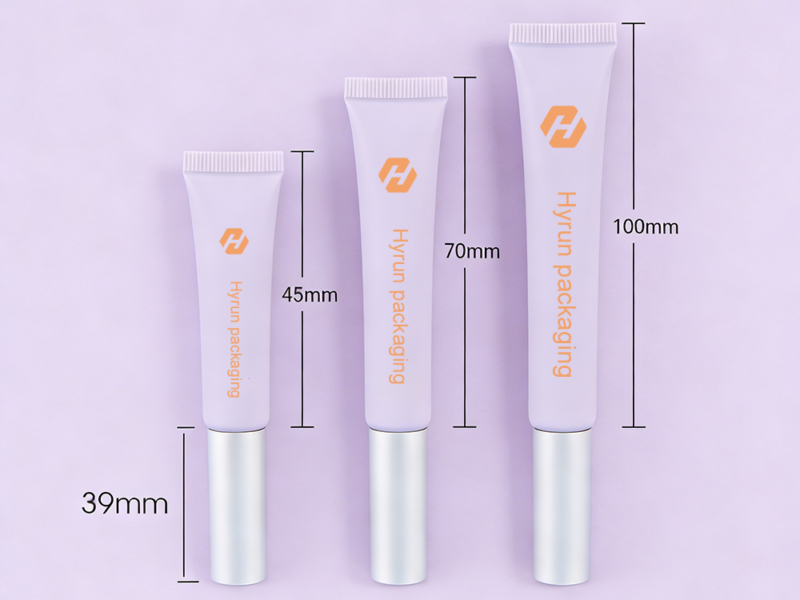
The global beauty market demands more than just aesthetic appeal; it requires functional integrity and chemical compatibility. When evaluating a cosmetic tubes manufacturer, the decision impacts your product’s shelf life, user experience, and brand perceived value. This guide moves beyond surface-level logistics to examine the engineering and manufacturing standards necessary for a successful B2B partnership.
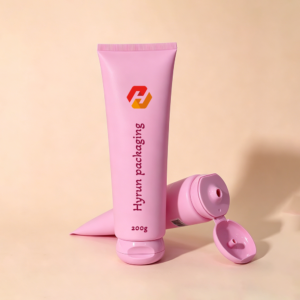
Material Science: Choosing the Right Substrate
A professional cosmetic tubes manufacturer typically works with three primary material categories. Your choice depends on the formula’s sensitivity to light, oxygen, and moisture.
-
PE (Polyethylene) Tubes: Available in LDPE (soft), HDPE (rigid), or LLDPE. These are the industry standard for mono-material packaging, often used for cleansers and hand creams.
-
ABL (Aluminum Barrier Laminate): These tubes feature a thin layer of aluminum sandwiched between plastic. They offer the highest barrier protection against oxygen and light, making them essential for active ingredients like Vitamin C or Retinol. Note that ABL tubes “dead-fold,” meaning they stay compressed when squeezed.
-
PBL (Plastic Barrier Laminate): These use an EVOH (Ethylene Vinyl Alcohol) barrier. They are preferred for brands that want the tube to regain its shape after squeezing while still maintaining a high level of protection.
| Feature | PE Tubes | ABL Tubes | PBL Tubes |
| Barrier Level | Moderate | Excellent (Total) | High |
| Shape Memory | Yes | No (Dead-fold) | Yes |
| Recyclability | High (Mono-material) | Difficult | Moderate |
| Typical Use | Skincare, Haircare | Pharma, Actives | Premium Skincare |
Technical Specifications and Tooling Constraints
When discussing a project with a manufacturer, technical dimensions are the first hurdle. Standard diameters usually range from 13mm to 60mm, with capacities varying from 3ml to 400ml.
-
Small Diameters (13mm – 19mm): Ideal for eye creams, lip gloss, or concentrated spot treatments.
-
Medium Diameters (25mm – 35mm): The “sweet spot” for facial cleansers and travel-size lotions.
-
Large Diameters (40mm – 60mm): Common for body scrubs, hair masks, and sunscreens.
A critical engineering detail is the orifice size and head style. Manufacturers like Hyrun Packaging offer diverse dispensing options, including screw caps, flip-top caps, pump heads, and specialized applicators like rollerballs or zinc-alloy cooling tips. The viscosity of your formula must dictate the orifice diameter to prevent leakage or “burping” during use.
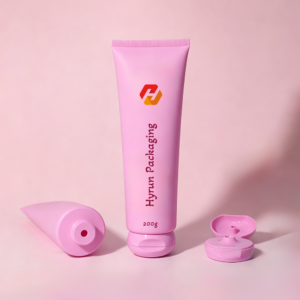
Decoration Techniques: Balancing Cost and Complexity
The manufacturing process is not complete without high-fidelity decoration. A seasoned cosmetic tubes manufacturer will offer several processes, each with its own technical limitations:
-
Offset Printing: Best for large volumes and complex gradients. It is cost-effective but lacks the tactile depth of other methods.
-
Silk Screen Printing: Provides a premium, raised feel with vibrant ink lay-down. It is ideal for minimalist, high-contrast designs.
-
Hot Stamping: Adds a metallic finish (gold, silver, rose gold). Engineers must ensure the stamping temperature does not compromise the tube substrate’s integrity.
-
Labeling: Used for smaller runs or when the artwork requires a level of detail that direct printing cannot achieve.
The Rise of Sustainable Manufacturing (PCR and Sugarcane)
Current regulatory environments and consumer pressure have shifted the focus toward eco-friendly alternatives. Leading manufacturers now offer PCR (Post-Consumer Recycled) plastic, typically in percentages ranging from 10% to 100%.
Another emerging solution is Green PE (Sugarcane-based). Chemically identical to traditional PE, it is derived from renewable biomass rather than petroleum. When sourcing these materials, ask your manufacturer for GRS (Global Recycled Standard) or ISCC certifications to verify the supply chain’s authenticity.
Evaluating Manufacturer Capability: The BOFU Checklist
Before finalizing a contract, a procurement manager must audit the manufacturer’s operational standards. A high-quality cosmetic tubes manufacturer should provide:
-
Compatibility Testing: Does the manufacturer provide samples for stability testing? Essential for ensuring the formula doesn’t cause delamination or stress cracking.
-
Lead Time Realities: Standard production for custom tubes typically falls between 25 to 45 days. Anything faster often involves stock components with limited customization.
-
MOQ (Minimum Order Quantity): For custom-extruded tubes, MOQs usually start at 5,000 to 10,000 units. Smaller batches may be possible but often come with significantly higher per-unit costs.
-
Quality Control Standards: Inquire about their AQL (Acceptable Quality Level) for defects like “fisheyes” in the plastic, ink bleeding, or cap torque inconsistencies.
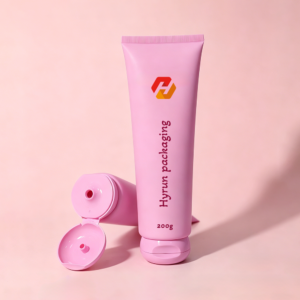
Conclusion: From Concept to Shelf
Sourcing from a cosmetic tubes manufacturer is an exercise in balancing barrier requirements, aesthetic goals, and cost-efficiency. By focusing on technical material specifications and understanding the limitations of decoration and tooling, brand owners can mitigate the risks of packaging failure. Whether you require a high-barrier ABL tube for a clinical serum or a sustainable PCR tube for a mass-market cleanser, the partnership relies on clear communication of technical tolerances and quality expectations.
FAQ
What is the difference between ABL and PBL tubes?
ABL (Aluminum Barrier Laminate) contains an aluminum foil layer for maximum protection against oxygen and light, but it loses its shape when squeezed. PBL (Plastic Barrier Laminate) uses an EVOH barrier and retains its shape after use, offering a more “premium” feel for skincare products.
What are the standard lead times for custom cosmetic tubes?
Most manufacturers require 30 to 45 days for production after the pre-production sample (PPS) is approved. This timeline accounts for material extrusion, printing, and capping.
Can I get eco-friendly tubes that look like virgin plastic?
Yes. Sugarcane PE is chemically identical to standard PE and looks exactly the same. PCR (Post-Consumer Recycled) tubes may have a slight greyish or yellowish tint, though modern refining processes have made this nearly imperceptible at lower percentages (e.g., 30% PCR).
What is the Minimum Order Quantity (MOQ) for custom tubes?
Standard MOQs for custom-manufactured tubes typically range from 5,000 to 10,000 pieces per SKU. Some manufacturers offer lower MOQs for stock tubes that only require simple labeling or silk screening.
Reference Sources:
-
ISO 9001:2015 – Quality Management Systems in Manufacturing.
-
ASTM D3951 – Standard Practice for Commercial Packaging.
-
Association of Plastic Recyclers (APR) – Guidelines for PCR and Recyclable Packaging Design.
-
REACH Regulation (EC No 1907/2006) – Compliance for chemical safety in packaging materials.