
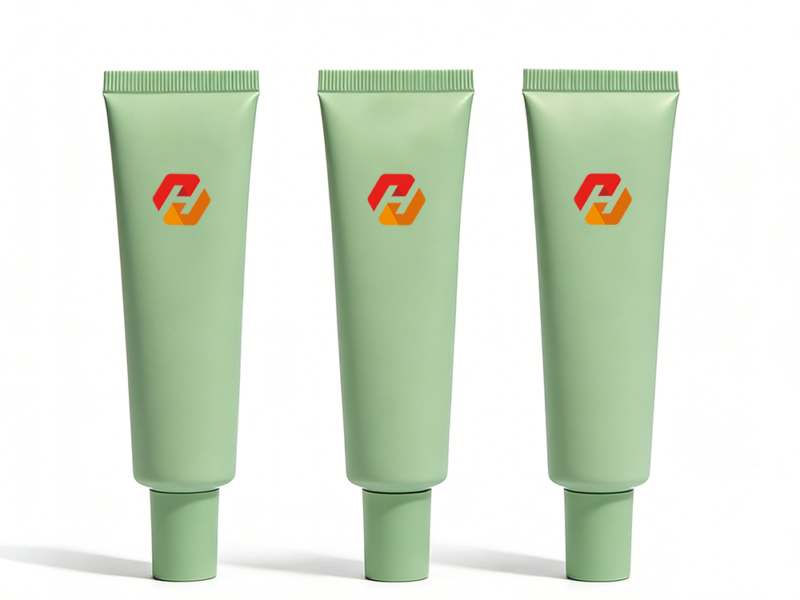
Selecting a plastic cosmetic packaging supplier is a decision that dictates more than just the physical appearance of a product; it determines the chemical stability, shelf-life integrity, and brand scalability of your entire cosmetic line. In the high-stakes beauty industry, the transition from prototype to mass production requires a partner who understands the nuance of material science and precision manufacturing.
Bulk procurement managers often face the challenge of balancing unit costs with functional performance. Whether you are sourcing squeeze tubes for high-viscosity creams or airless containers for sensitive serums, understanding the underlying manufacturing logic is essential for minimizing lead times and avoiding costly batch failures.
Understanding Material Engineering in Plastic Cosmetic Tubes
The performance of a cosmetic tube is largely dictated by its material composition. Modern suppliers typically offer three primary categories of plastic packaging, each suited for specific chemical profiles and barrier requirements.
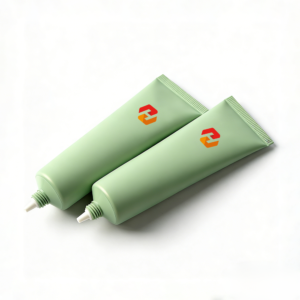
Polyethylene (PE) Tubes
PE is the industry standard for squeeze tubes due to its flexibility and durability. It is generally available in LDPE (Low-Density Polyethylene) for a softer feel and HDPE (High-Density Polyethylene) for higher chemical resistance and rigidity. Most plastic cosmetic packaging suppliers utilize multi-layer PE structures to enhance barrier properties against oxygen and moisture.
ABL vs. PBL (Laminated Tubes)
-
ABL (Aluminum Barrier Laminate): Features a thin layer of aluminum sandwiched between plastic. This provides the highest barrier protection, making it ideal for products containing essential oils or active ingredients that oxidize easily.
-
PBL (Plastic Barrier Laminate): Utilizes an EVOH (Ethylene Vinyl Alcohol) layer. PBL is preferred for its “rebound” property—the tube maintains its shape after being squeezed—making it a top choice for premium skincare brands.
PCR and Sustainable Resins
As regulatory pressure and consumer demand for sustainability increase, Post-Consumer Recycled (PCR) plastics have become a critical offering. A reputable supplier should provide varying percentages of PCR (typically 10% to 50%) blended with virgin resins to ensure the tube’s structural integrity is not compromised.
| Feature | LDPE/HDPE Tubes | ABL Laminated | PBL Laminated |
| Barrier Level | Moderate | Excellent (Highest) | Good |
| Aesthetics | Seamless appearance | Visible side seam | Discrete side seam |
| Rebound Factor | Low | Low (stays squeezed) | High (returns to shape) |
| Best Use Case | Hand creams, cleansers | Medicated ointments | High-end face creams |
Technical Customization: Beyond the Surface
When evaluating a plastic cosmetic packaging supplier, the depth of their customization capability is a primary indicator of technical expertise. Customization is not merely about color; it is about engineering the orifice, neck finish, and dispensing mechanism to match the product’s viscosity.
Head and Cap Configurations
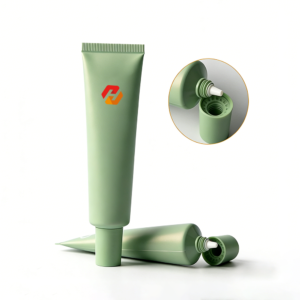
The dispensing experience is defined by the head type. For instance, Hyrun’s cosmetic tubes collection showcases various configurations including screw caps, flip-top caps, and specialized airless pumps. For high-viscosity products like sunscreens, a larger orifice is required, whereas liquid foundations may require an airless pump to prevent clogging and product waste.
Precision Decoration Techniques
Bulk manufacturing involves complex printing workflows. A sophisticated supplier will offer:
-
Offset Printing: Cost-effective for large volumes with high-speed production.
-
Silkscreen Printing: Provides a tactile, premium feel with vibrant ink thickness.
-
Hot Stamping: Essential for metallic accents (gold/silver) common in luxury branding.
-
Labeling: Flexible for small-batch variations within a larger bulk order.
Critical Supplier Evaluation Metrics for B2B Sourcing
Moving from “Commercial” interest to “Transactional” action requires a rigorous audit of the supplier’s operational capacity. In the B2B packaging sector, the following metrics determine the success of a long-term partnership.
Quality Management Systems (QMS)
Do not rely on verbal guarantees. A tier-1 supplier must demonstrate compliance with ISO 9001:2015 standards. For brands entering the medical or pharmaceutical cosmetic space, checking for FDA DMF (Drug Master File) registrations or ISO 15378 (primary packaging for medicinal products) compliance is non-negotiable.
Tooling and Production Lead Times
In bulk procurement, “lead time” is a variable, not a constant. It consists of:
-
Sampling Phase: Usually 7–15 days for technical proofs.
-
Tooling/Molding: If a custom shape is required, this adds 30–45 days.
-
Mass Production: Standard cycles range from 25 to 35 days depending on decoration complexity.
MOQ (Minimum Order Quantity) Constraints
While “bulk” implies large volumes, modern agile brands often require lower MOQs for market testing. Most manufacturers set MOQs between 5,000 and 10,000 units per SKU. However, suppliers with advanced automated lines may offer flexibility if multiple SKUs share the same tube diameter and material specifications.
Optimizing the RFQ (Request for Quote) Process
To receive an accurate and competitive quote from a plastic cosmetic packaging supplier, your RFQ must be technically specific. Vague requests lead to pricing buffers and delays. Ensure your inquiry includes:
-
Tube Diameter and Length: (e.g., D35mm x 110mm).
-
Volume Capacity: (e.g., 100ml).
-
Material Specification: (e.g., 2-layer LDPE with 30% PCR).
-
Closure Type: (e.g., Matte Silver Flip-top Cap).
-
Decoration Details: (e.g., 4-color offset + matte vanish).
-
Target Delivery Port: For calculating Incoterms (FOB, CIF, or DDP).
A professional supplier will analyze these parameters to suggest “material-to-product” compatibility, potentially saving you from future stability issues where the product formula reacts with the plastic liner.
FAQ
What is the standard lead time for bulk cosmetic tube orders?
Standard production lead times typically range from 25 to 40 days after sample approval. If custom tooling for a unique cap or tube shape is required, add an additional 4 to 6 weeks to the initial timeline.
How do I ensure my formula is compatible with the plastic packaging?
Most suppliers recommend a compatibility test. You should provide your bulk formula to the supplier (or an independent lab), where it is placed in the specific plastic tube and subjected to accelerated aging tests (e.g., 40°C at 75% humidity) for 4 to 12 weeks.
What are the benefits of using PCR in cosmetic packaging?
PCR (Post-Consumer Recycled) plastic reduces the carbon footprint of your packaging and aligns with global sustainability regulations (such as the EU’s Plastic Tax). Most suppliers can incorporate PCR into the middle layer of a multi-layer tube, ensuring the inner layer remains virgin plastic for formula safety.
Can I get a custom color for the tube body and the cap?
Yes. Suppliers use Pantone Matching System (PMS) codes to customize the resin color during the extrusion process. For bulk orders, color matching is standard, though it may require a slightly higher MOQ compared to standard white or transparent tubes.
Reference Sources
-
ISO 9001:2015: Quality management systems — Requirements.
-
ASTM D3475: Standard Classification of Child-Resistant Packages.
-
FDA Packaging & Food Contact Substances (FCS): Guidance on plastic materials for cosmetic and food contact.
-
Sustainable Packaging Coalition (SPC): Resources on PCR integration and circular economy in packaging.
-
Association of Plastic Recyclers (APR): Design Guide for Plastics Recyclability.