
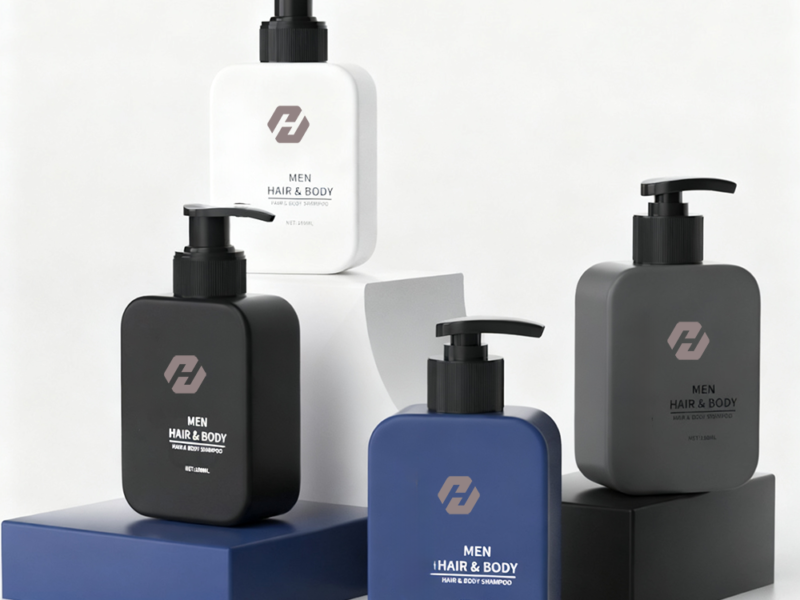
Choosing the right packaging is a critical step for any skincare business. It protects the formula and defines the brand’s shelf presence. When you look for lotion bottle wholesale options, you must balance cost with high quality.
Cheap packaging can leak or break. This leads to customer dissatisfaction and lost revenue. Conversely, premium materials can elevate your product. They justify a higher price point in a competitive market.
This guide explores everything you need to know about sourcing these essential containers. We will cover materials, technical specs, and cost-saving tips for 2026. Understanding these factors ensures your brand remains professional and profitable.
Why Is Material Selection Critical for Lotion Bottle Wholesale?
The quality of a container depends heavily on its material and manufacturing precision. Polyethylene Terephthalate (PET) is the most common choice for bulk orders. It is lightweight, shatterproof, and provides excellent clarity for the consumer.
Industry data shows that PET has a moisture barrier rate of roughly 0.1-0.2 g/m²/day. This low permeability ensures your lotion does not lose its fragrance. It also prevents active ingredients from degrading over time. This makes PET a safe choice for most skincare formulas.
The Role of Chemical Compatibility
Another major factor is chemical compatibility between the lotion and the container. Some lotions contain high concentrations of essential oils or acids. These ingredients can react with certain plastics.
This reaction can cause the bottle to collapse or discolor. High-Density Polyethylene (HDPE) is often used for its superior chemical resistance compared to standard plastics. It can withstand a wide range of pH levels without degrading.
Checking the compatibility of your formula with your lotion bottle wholesale samples is essential. You should conduct these tests before placing a large order. This prevents mass failures once the product reaches the 2026 retail market.
Precision in Manufacturing Standards
Manufacturing tolerances also play a huge role in overall quality. A bottle with an uneven neck finish will not seal properly. This leads to leaks during shipping or daily use.
Precision-molded threads are necessary to ensure a 100% airtight seal. Most high-quality manufacturers adhere to ISO 9001 standards. This helps them maintain consistent dimensions across millions of units.
When buying in bulk, look for suppliers who provide detailed technical drawings. Quality assurance reports are also vital for large-scale procurement. These documents prove that every unit meets your strict brand requirements.
Comparing Materials for High-Quality Lotion Bottle Wholesale
Choosing a material is often the first decision in the procurement process. Each material offers different benefits regarding aesthetics and durability. You must evaluate these based on your specific product needs.
| Material | Durability | Clarity | Weight | Recyclability |
| PET Plastic | High | Excellent | Very Light | High |
| Glass | Fragile | Superior | Heavy | Highest |
| HDPE Plastic | Very High | Low (Opaque) | Light | High |
| Aluminum | Extreme | None | Medium | High |
| PP Plastic | Moderate | Translucent | Light | Moderate |
PET is the industry standard for cost-effective lotion bottle wholesale. It mimics the look of glass but costs significantly less to ship. Statistics indicate that switching from glass to PET can reduce shipping-related carbon emissions by up to 30%.
The Premium Appeal of Glass
Glass remains the top choice for luxury brands. It is non-reactive and offers a “weighted” feel. Consumers associate this weight with premium quality and efficacy.
Glass is also the most sustainable option for long-term use. It can be recycled infinitely without losing its structural integrity. This makes it ideal for brands targeting the eco-conscious 2026 demographic.
However, the fragile nature of glass requires extra protective packaging. This can increase your overall shipping and fulfillment costs. You must weigh the aesthetic benefits against these logistical challenges.
Versatile Plastics and Aluminum
PP (Polypropylene) is often used for caps and pumps. This is due to its high fatigue resistance. The material allows the pump mechanism to function thousands of times.
Aluminum is gaining popularity in the zero-waste movement. It is 100% recyclable and offers a modern aesthetic. It provides a unique look that stands out on the shelf.
Aluminum bottles usually require an internal liner. This prevents the metal from reacting with the lotion formula. Your choice should reflect your brand values and your target market’s preferences.
Technical Specifications for Professional Packaging
The closure is as important as the bottle itself. For lotions, pumps are the most popular choice for convenience. They allow for easy dispensing without exposing the product to air.
A standard lotion pump typically dispenses between 0.5ml and 2.0ml per stroke. For thick body lotions, a higher dosage pump is usually preferred. This ensures the user gets enough product with a single press.
For facial serums, a smaller 0.2ml or 0.5ml pump is better. This allows for more controlled application of expensive formulas. You must match the pump’s dosage to the intended use of the product.
Understanding Neck Sizes and Threads
Neck size is the most technical aspect of choosing a closure. The most common sizes for lotion bottle wholesale are 24/410 and 28/410. The first number refers to the diameter in millimeters.
The second number refers to the thread style and height. Ensuring a perfect match between the bottle neck and the pump is vital. This prevents leaks and ensures the pump sits flush against the bottle.
Many wholesale suppliers offer matching sets to simplify this process. This eliminates the technical hurdle for the buyer. It also ensures that the entire package looks cohesive and professional.
Aesthetic Options and Lock Mechanisms
Beyond functionality, consider the aesthetic of the pump. You can choose from plastic, metal-collared, or bamboo-covered pumps. These details significantly influence the perceived value of your product.
Locking mechanisms are another critical feature for retail products. Clip-lock or twist-lock designs prevent the pump from depressing during transit. This reduces the risk of messy leaks in shipping boxes.
A high-quality pump should offer a smooth priming experience. It should dispense the product consistently every time it is used. Testing these components ensures a positive experience for your customers in 2026.
How to Optimize Costs for Your Skincare Brand in 2026?
Buying in bulk is designed to save money. However, hidden costs can emerge if you do not plan carefully. Shipping is often the largest expense when dealing with lotion bottle wholesale.
Because bottles are mostly filled with air, you are paying to ship volume. Sourcing from a supplier with strategic warehouse locations can cut costs. This reduces the distance the empty containers must travel.
Some buyers choose to source components separately to find the best price. This requires more management but can lead to significant savings. It allows you to find the best bottle and the best pump independently.
Managing Lead Times and Logistics
Lead times in the packaging industry can vary from 30 to 90 days. Planning your inventory 4-6 months in advance helps avoid air freight charges. Sea freight is much cheaper but requires a longer wait time.
You should also consider the impact of the Minimum Order Quantity (MOQ). Smaller MOQs allow for better cash flow for new startups. They reduce the amount of capital tied up in inventory.
However, larger orders usually unlock significant price breaks. These discounts increase your profit margins over time. Finding the right balance is key to a healthy business model in 2026.
The Impact of Decoration and Branding
Decorating your bottles can also impact the final unit price. Options like silk-screen printing or hot stamping have different costs. You must choose the method that fits your budget and brand style.
Ordering pre-labeled or pre-printed bottles can save time. However, it often requires much higher MOQs. This might not be suitable for limited edition products.
For smaller brands, buying plain bottles and applying labels locally is more flexible. This allows you to change designs quickly without wasting stock. Always calculate the total landed cost before making a final decision.
Exploring Sustainable Packaging Trends in 2026
Environmental impact is now a major factor in consumer purchasing. Reports suggest that over 70% of consumers are willing to pay more for sustainable packaging. This trend will only grow stronger by 2026.
Many brands are looking for eco-friendly lotion bottle wholesale alternatives. Post-Consumer Recycled (PCR) plastic is the most accessible solution today. It reduces the need for virgin plastic production.
PCR plastic diverts waste from landfills and supports a circular economy. Using these materials does not mean sacrificing the beauty of your packaging. Modern processing allows PCR PET to look nearly as clear as virgin plastic.
Refillable Systems and Long-Term Value
Refillable systems are another major trend in the skincare industry. Brands sell a high-quality glass bottle once to the customer. Then, they provide lighter refill pouches or smaller bottles later.
This model reduces the total amount of plastic used over time. It also encourages customer loyalty to your brand. Consumers feel good about reducing their environmental footprint while using your products.
Implementing sustainable packaging can improve your long-term sales. It also prepares your business for future government regulations. Choosing a wholesaler with a green focus is a smart strategy for 2026.
Biodegradable Additives and Future Tech
Biodegradable additives are also being tested in some plastic formulations. These additives help the plastic break down faster in specific environments. However, they are currently less common in the bulk wholesale market.
Technology is constantly evolving to find better packaging solutions. Keep an eye on new materials like mushroom-based packaging or seaweed extracts. These may become more viable for lotion bottle wholesale in the coming years.
Staying informed about these trends gives you a competitive edge. It shows your customers that you care about the planet. This trust is invaluable for building a successful skincare brand.
How to Determine the Best Packaging for Your Product Line?
Determining if a specific bottle is right for your brand involves testing. You should start by evaluating the viscosity of your lotion formula. Thick creams require wide-mouth jars or high-pressure pumps.
Liquid-based lotions work better in standard bottles with smaller orifices. This ensures the product flows correctly without clogging the mechanism. Testing these combinations early prevents costly mistakes during the production phase.
When you are ready to evaluate physical dimensions, browsing a professional collection of body lotion bottles is the most effective step. It allows you to compare different silhouettes like Boston rounds or cylinders. High-quality suppliers provide these technical specifics to ensure your brand stands out in the 2026 market.
Consider how the bottle fits in the consumer’s hand during use. Ergonomic design is a subtle way to improve the user experience. It encourages repeat buys because the product is easy and pleasant to use.
Check the transparency of the wholesaler regarding their production capabilities. A reliable partner will offer clear communication about mold availability. They should also provide clear guidance on which pumps fit which bottles.
Testing the pump’s prime is a final quality check you must perform. If it takes more than 10 strokes, the dip tube might be wrong. Selecting a partner who understands these technical nuances is the key to success.
Summary
Choosing the best lotion bottle wholesale provider requires a focus on quality and compatibility. Prioritize materials like PET or glass for durability and professional aesthetics. Always test pumps for dosage accuracy and seal integrity to prevent leaks. By following these standards, you ensure a high-quality product that builds long-term consumer trust.
FAQ
1. What is the best material for lotion bottle wholesale?
PET plastic is generally the best material for most brands in 2026. It offers excellent clarity and durability while remaining very cost-effective. It is also highly recyclable and protects the formula from moisture loss effectively.
2. How can I ensure the pump works with the bottle?
You must verify that the neck size and thread type match exactly. Common sizes include 24/410 and 28/410 for most standard lotion containers. Requesting samples for a physical fit test is the best way to ensure a leak-proof seal.
3. Is PCR plastic available in 2026?
Yes, Post-Consumer Recycled (PCR) plastic is widely available for wholesale orders. Most suppliers now offer varying percentages of PCR to help brands meet sustainability goals. It provides a similar look to virgin plastic while reducing environmental impact.
4. What is the difference between a 24/410 and 28/410 neck finish?
The first number represents the diameter in millimeters across the bottle neck. The second number represents the thread height and configuration of the closure. A 28/410 neck is wider and usually found on larger bottles for thicker lotions.
5. How do I prevent my lotion bottles from leaking during shipping?
You should choose a pump with a reliable locking mechanism like a twist-lock. Ensure the liner inside the cap or pump provides a secure compression seal. Conducting a vacuum leak test on your samples will confirm the packaging is safe for transit.
Reference Sources
Association of Plastic Recyclers