
The beauty industry in 2026 demands efficiency and unique branding. Brands must decide how to source their primary containers. Understanding the nuances of oem vs odm cosmetic packaging is the first step toward success. This choice defines your market position and financial health.
OEM stands for Original Equipment Manufacturer. In this model, the brand provides the specific design. The factory then handles the physical production of that design. It offers the highest level of product exclusivity.
ODM stands for Original Design Manufacturer. The factory creates the design and the tooling. The brand then selects these “off-the-shelf” designs for their products. This is often the fastest way to launch a line.
What is the Difference Between OEM and ODM Cosmetic Packaging?
The fundamental difference lies in the ownership of the design. In the OEM model, the brand owns the intellectual property. They create a custom mold that belongs only to them. This ensures no other brand can use that specific shape.
Conversely, in the ODM model, the manufacturer owns the design rights. Multiple brands can use the same bottle or jar shape. Brands differentiate these products through custom colors or unique labeling. This model is highly efficient for new market entrants in 2026.
Data suggests that OEM projects have higher initial costs. Setting up a new production line can cost thousands of dollars. However, OEM provides a unique competitive advantage on the retail shelf. It allows a brand to stand out in a crowded market.
Analyzing the OEM Manufacturing Model
The OEM process begins with detailed engineering drawings. Brands often hire industrial designers to create a signature look. This process requires a deep understanding of material properties and ergonomics. The goal is to create something truly innovative.
Prototyping is a critical phase in the OEM journey. In 2026, 3D printing allows for rapid physical testing. Brands can feel the weight and texture before mass production begins. This reduces the risk of functional errors in the final product.
The production of custom molds takes significant time. It often takes 45 to 60 days to perfect a steel mold. This investment is justified for brands moving large volumes. OEM is best for established brands seeking unique designs and total market exclusivity.
Understanding the ODM Manufacturing Model
ODM manufacturing relies on proven designs that are ready for use. The manufacturer has already handled the technical engineering and testing. This eliminates the need for expensive research and development. Brands can focus their resources on marketing and sales.
Lower minimum order quantities are a hallmark of ODM. Manufacturers can produce smaller batches because the setup is already done. This allows smaller brands to experiment with diverse product lines. It is a cost-effective way to test consumer preferences in 2026.
Speed is the most significant advantage of the ODM model. A brand can go from concept to launch in under 90 days. This agility is vital for following fast-moving beauty trends. It allows for a more responsive business model in a volatile market.
Key Factors to Consider for Your 2026 Brand Strategy?
Budgeting is the primary concern for most beauty startups. OEM requires a larger upfront capital investment for tooling. You must also account for longer development cycles. This can delay your initial return on investment.
Market positioning also dictates the choice between oem vs odm cosmetic packaging. Luxury brands often choose OEM to ensure a premium feel. Mass-market brands may prefer ODM to keep price points competitive. Your target audience’s expectations should guide your manufacturing path.
Quality control standards must remain high regardless of the model. In 2026, consumers expect sustainable and durable packaging. Ensure your partner uses high-grade materials like PET or glass. Consistent quality builds long-term trust with your customer base.
Comparing Tooling and Setup Costs
Tooling costs represent a significant barrier to entry for OEM. A single injection mold for a complex cap can cost $5,000. If you have a full line, these costs multiply quickly. This requires a strong financial foundation before starting.
ODM avoids these specific costs almost entirely. You are essentially “renting” the use of the manufacturer’s existing molds. The price per unit may be slightly higher than OEM at high volumes. However, the initial savings are substantial for new businesses.
In 2026, some manufacturers offer hybrid models. They might allow small modifications to existing designs for a fee. This provides a balance between uniqueness and cost-efficiency. It is an excellent middle ground for growing beauty brands.
Evaluating Lead Times and Production Speed
OEM timelines are naturally longer due to the design phase. You must account for revisions, mold testing, and pilot runs. Most OEM projects take 6 to 10 months to complete. Planning must begin well in advance of a product launch.
ODM production cycles are much shorter and more predictable. Since the molds are ready, production can start almost immediately. Most ODM orders are completed within 30 to 45 days. This allows brands to replenish stock quickly during high-demand periods.
Global logistics in 2026 also impact these timelines. Shorter production times help offset potential shipping delays. Fast-to-market brands can capture trends before they fade. Timing is a critical component of successful brand scaling.
How Does Choice Impact Material Selection and Design?
Material compatibility is a technical requirement for all packaging. Some formulas react poorly with certain types of plastic. You must ensure the container protects the integrity of the product. This requires rigorous stability testing during the development phase.
Design flexibility is another area where the two models diverge. OEM allows you to specify the exact wall thickness of a container. You can choose specialized materials like bio-based plastics. This level of detail is harder to achieve with standard ODM options.
In 2026, decorative techniques can make any container look high-end. Both OEM and ODM support options like silk-screening and hot-stamping. These visual elements are essential for creating a cohesive brand identity. They help communicate your brand story to the consumer.
Selecting Specialized Cosmetic Bottles for Liquids
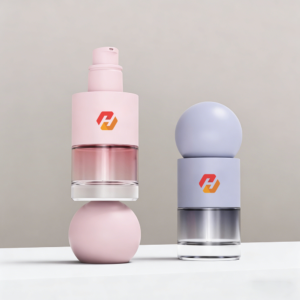
Liquid products like serums and toners require precise dispensing. High-quality cosmetic bottles provide the necessary barrier protection. The choice of pump or dropper is equally important for the user. It must deliver the correct dosage every time.
Glass bottles remain a favorite for premium skincare lines. They offer a luxurious weight and are highly recyclable. Plastic bottles provide a lightweight and shatterproof alternative for travel. Your manufacturing model should support the material that best fits your formula.
In 2026, airless bottle technology is becoming standard. These systems prevent oxygen from entering the container. This extends the shelf life of preservative-free beauty products. Both OEM and ODM providers offer various airless solutions today.
Choosing Durable Cosmetic Jars for Creams
Thick creams and masks are best suited for wide-mouth containers. Sturdy cosmetic jars allow users to access every bit of the product. The seal must be airtight to prevent the formula from drying. Quality liners are essential for maintaining product freshness.
Double-walled jars offer a more substantial and premium appearance. They also provide extra protection against temperature fluctuations. Brands can choose between different finishes like matte or gloss. This sensory experience is a key part of the consumer’s routine.
Sustainability is a major trend for jars in 2026. Many brands are moving toward refillable jar systems. This reduces plastic waste and encourages brand loyalty. Check if your manufacturer can support these eco-friendly designs.
Utilizing Flexible Cosmetic Tubes for Practicality
Tubes are an excellent choice for hand creams and cleansers. Lightweight cosmetic tubes are cost-effective to ship and easy to use. They offer a high degree of hygiene as the product is squeezed out. This minimizes the risk of contamination from fingers.
Modern tubes use multi-layer technology for better protection. These layers can block light, oxygen, and moisture. EVOH (Ethylene Vinyl Alcohol) layers are common in high-performance tubes. This ensures the formula remains stable for the duration of its use.
In 2026, different applicator heads can add unique functionality. Some tubes feature vibrating applicators or metal cooling tips. These innovations can be integrated into either OEM or ODM models. They provide a functional benefit that consumers appreciate.
Strategic Guidance: How to Determine Which Model Is Right for You?
Choosing the right partner involves more than just comparing prices. You must assess the long-term scalability of the manufacturer. A good partner should grow alongside your brand as demand increases. They should provide technical support throughout the production process.
Start by evaluating your internal design capabilities. If you have a strong design team, OEM might be the best path. You can bring your specific vision to life without compromise. This allows for the creation of a truly iconic product silhouette.
If your focus is on rapid market testing, consider ODM first. It allows you to launch multiple products with minimal financial risk. You can use the profits from these initial sales to fund future OEM projects. This “lean” approach is common among successful 2026 startups.
The decision often hinges on the complexity of your formula. Highly sensitive products may require a custom OEM solution. Standard formulas are usually perfectly compatible with ODM containers. Always request samples to conduct your own compatibility tests.
Verify the manufacturer’s certifications before making a final commitment. Look for ISO 9001 and GRS certifications for quality and sustainability. These standards ensure that the factory follows global best practices. Reliability is the foundation of a successful manufacturing partnership.
Summary
The choice between oem vs odm cosmetic packaging depends on your brand’s specific goals. OEM is best for established brands seeking unique designs and total market exclusivity. Conversely, ODM is ideal for startups needing lower costs and faster market entry. Both models offer high-quality solutions for the 2026 beauty market.
FAQ
1. What is the most cost-effective manufacturing model for a new brand?
ODM is generally the most cost-effective choice for new brands. It eliminates the need for expensive custom molds and engineering fees. You can redirect these savings toward marketing and customer acquisition. Most startups begin with ODM to minimize their initial financial risk.
2. How long does the OEM manufacturing process usually take?
The OEM process typically takes between 6 and 12 months. This includes the initial design phase, prototyping, and mold creation. Testing the molds and performing quality checks also adds to the timeline. Brands must plan their launches well in advance when choosing this path.
3. Can I achieve a premium look with ODM cosmetic packaging?
Yes, you can definitely achieve a premium look using ODM containers. High-quality finishes like UV coating and metalizing can transform a standard bottle. Custom colors and professional silk-screen printing also add significant value. Many luxury brands use ODM components with high-end decorative finishes.
4. Who owns the design rights in an OEM agreement?
In an OEM agreement, the brand owner typically owns the design rights. You pay for the creation of the molds and the engineering work. This means the manufacturer cannot sell your specific design to another client. This exclusivity is a key reason why brands choose the OEM model.
5. Why is sustainability important for packaging in 2026?
Sustainability is a top priority for consumers and regulators in 2026. Brands are expected to reduce their plastic footprint and use recyclable materials. Choosing eco-friendly packaging can improve your brand image and increase customer loyalty. Manufacturers are now offering more bio-based and recycled material options.
Reference Sources