
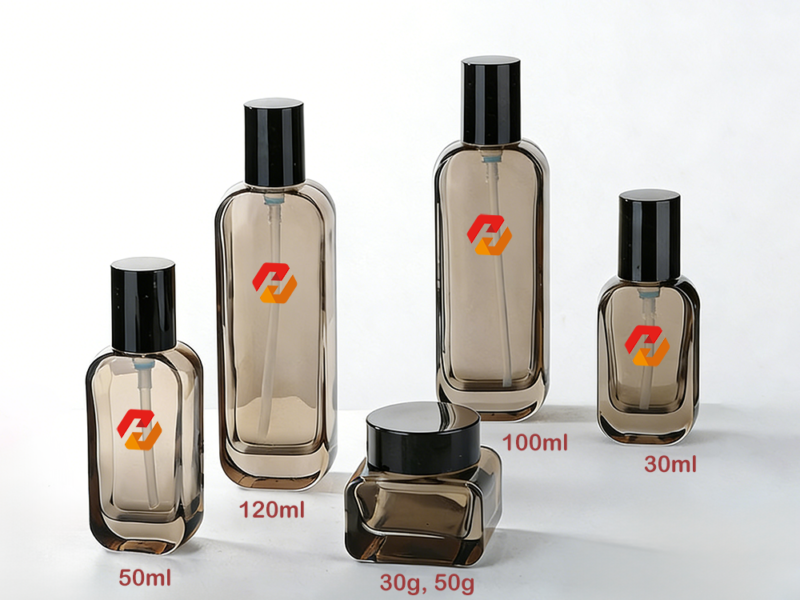
The beauty industry in 2026 thrives on visual appeal and brand identity. Custom cosmetic packaging serves as the first point of contact between your product and the consumer. It protects the formula and communicates luxury or clinical efficacy.
Successful brands invest heavily in unique designs to differentiate themselves in a competitive market. Creating a signature look requires a deep understanding of manufacturing processes. You must balance aesthetic desires with functional requirements.
High-quality packaging ensures product stability and enhances the user experience. This guide explains the technical steps and strategic choices involved in the process. We will explore the journey of bringing your packaging vision to life.
Why Brands Invest in Custom Cosmetic Packaging?
Strategic packaging design directly influences consumer purchasing decisions and brand loyalty. Research shows that approximately 72% of consumers agree that packaging design influences their buying habits. Custom cosmetic packaging allows a brand to control every tactile detail of their product.
Influencing Consumer Purchasing Decisions
A unique container acts as a silent salesman on retail shelves. Standard stock packaging often fails to capture the specific essence of a premium formula. By customizing shapes and colors, brands create a cohesive visual language.
This consistency builds trust and makes the product instantly recognizable to returning customers. In 2026, the global market for beauty containers is projected to reach $42 billion. Brands must innovate to capture a share of this growing sector.
Enhancing Brand Recognition in 2026
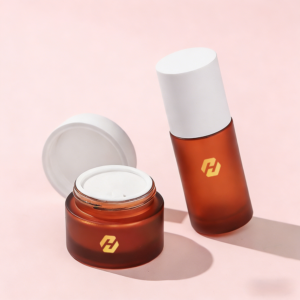
Functional customization is equally important for protecting the integrity of the ingredients. Many active ingredients in skincare are sensitive to oxygen and light. Custom solutions, such as airless pump systems, extend the shelf life of these products.
Investing in specialized containers reduces the risk of oxidation and product spoilage. Data indicates that brands using airless systems report 30% higher customer satisfaction rates. These systems maintain formula potency from the first drop to the last.
| Feature | Impact on Brand | Primary Benefit |
| Unique Shapes | Visual Recognition | High shelf standout |
| Specialized Closures | Functional Utility | Leak prevention |
| Premium Materials | Perceived Value | Higher price points |
| Eco-friendly Options | Ethical Image | Customer loyalty |
How to Order Custom Cosmetic Packaging: A Step-by-Step Guide?
The process of ordering custom cosmetic packaging begins with a clear product concept. You must define the viscosity and chemical composition of your formula first. A thick cream requires a different dispensing method than a watery serum.
Defining Formula and Viscosity Requirements
Identifying these needs early prevents costly design errors during the manufacturing phase. Once you define the formula requirements, the design phase commences. Most manufacturers require high-resolution 3D renderings or CAD files to start.
You should also choose your color palette using Pantone matching systems for accuracy. This ensures that the final physical product matches your digital brand assets. Precise technical specifications are the foundation of a successful production run.
Finalizing Design and Color Matching
After the design is finalized, the sampling stage is a critical milestone. Always request a physical prototype before committing to a full production run. Testing the sample with your actual formula is necessary to check for compatibility.
Approximately 15% of packaging failures occur due to unexpected chemical reactions. The final stage involves mass production and rigorous quality control. Reputable suppliers monitor wall thickness and thread accuracy throughout the run.
Essential Materials for High-Performance Packaging?
Material selection dictates both the cost and the environmental footprint of your brand. Plastics remain popular due to their versatility and lower shipping weights. Common choices include PET for clarity and PP for its chemical resistance.
The Shift Toward Sustainable PCR Plastics
Many brands in 2026 integrate Post-Consumer Recycled (PCR) materials to meet sustainability goals. Glass remains the gold standard for luxury skincare and fragrance products. It is non-reactive and provides a premium weight that consumers associate with quality.
However, glass is heavier and more fragile than plastic alternatives. Brands must weigh the aesthetic benefits against increased logistics and shipping costs. Lightweight glass options are becoming more popular to reduce carbon emissions.
Luxury Glass and Durable Aluminum Options
Aluminum and specialized resins offer unique textures and durability for specific products. Aluminum is highly recyclable and provides an excellent barrier against light and air. It is frequently used for high-end tubes and cap accents.
Choosing the right material ensures your custom cosmetic packaging performs well in various conditions. In 2026, sustainable materials account for over 40% of new beauty launches. Brands failing to adopt these materials risk alienating eco-conscious consumers.
Selecting the Right Container Types for Your Product Line?
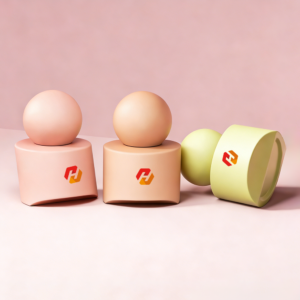
Determining the ideal container depends on the user experience you want to provide. Different formulas require specific dispensing mechanisms to ensure maximum efficacy and ease of use. This choice impacts the consumer’s daily routine and overall satisfaction.
Optimizing Liquid Formulas with Cosmetic Bottles
When your product is a liquid, selecting high-quality cosmetic bottles is the primary consideration. You can select from various pump mechanisms, including treatment pumps and fine-mist sprayers. Airless bottle designs are particularly effective for preserving preservative-free organic formulas.
These bottles prevent air from entering the chamber, which stops the formula from oxidizing. Studies show that airless technology can increase the shelf life of vitamin C serums by 40%. This functionality justifies the higher initial cost for premium skincare brands.
Enhancing Portability with Cosmetic Tubes
For thicker products like cleansers and hand creams, cosmetic tubes offer superior convenience and portability. They allow for precise dosing and are easy for consumers to carry in bags. Modern tubes come in various materials, such as ABL for maximum protection.
The choice of the head and cap significantly impacts the overall functionality. Flip-top caps provide quick access for shower products, while needle-nose tips are better for eye creams. Versatile tubes are essential for brands targeting active, on-the-go consumers in 2026.
Providing Luxury Access with Cosmetic Jars
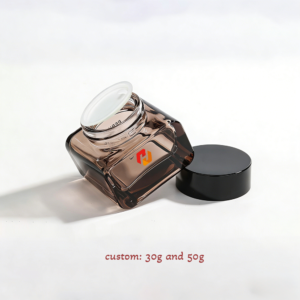
When dealing with high-viscosity creams or balms, cosmetic jars are the most practical solution. They provide easy access to the product and allow for wide-mouth designs. Jars are often available in double-walled constructions to give a premium feel.
Consider using internal shives or liners to prevent leakage and maintain freshness. Luxury brands often use glass or heavy-walled acrylic jars to convey a sense of opulence. These containers encourage consumers to use the product as part of a relaxing ritual.
Evaluating Quality Standards for Your Brand?
Choosing the right partner for custom cosmetic packaging requires evaluating several performance metrics. You should prioritize suppliers who provide comprehensive compatibility testing and quality assurance reports. A high-quality container must withstand drop tests and extreme temperature fluctuations without failing.
Check for precision in the threading of caps and the smoothness of pump actuators. Inconsistent dispensing can lead to a negative user experience and product returns. If you are launching a clinical brand, focus on medical-grade materials that resist chemical degradation.
For luxury lines, the quality of surface decorations like silk-screening and hot stamping is paramount. The finish should be durable enough to resist scratching during transit and daily use. Selecting a supplier with integrated design and manufacturing capabilities streamlines the entire process.
Summary
Ordering custom cosmetic packaging involves balancing design, material science, and functional testing in 2026. By following a structured process from concept to sampling, brands ensure product safety and visual impact. Quality packaging is a strategic investment that defines how customers perceive and value your beauty products.
FAQ
1. What is the typical lead time for custom cosmetic packaging in 2026?
Lead times generally range between 4 weeks and 10 weeks depending on complexity. Custom molds and specialized decorations like electroplating often require more time than standard colors. You should always factor in shipping times when planning your product launch schedule.
2. Can I use any plastic for my skincare products?
No, you must choose plastics that are chemically compatible with your specific ingredients. Some essential oils or solvents can degrade certain types of plastic over time. It is vital to conduct compatibility testing for at least 8 weeks before mass production.
3. What is the minimum order quantity (MOQ) for custom designs?
MOQs typically start at 5,000 to 10,000 units for customized colors or printing. If you require a completely new mold for a unique shape, the MOQ may be higher. Some suppliers offer lower MOQs for stock items with custom silk-screen printing.
4. Is glass more sustainable than plastic for cosmetic packaging?
Glass is infinitely recyclable and does not leach chemicals, making it very eco-friendly. However, its high carbon footprint during transport due to weight is a significant factor. Many brands in 2026 use lightweight plastic with high PCR content as a balanced alternative.
5. How do airless pumps work in cosmetic bottles?
Airless pumps use a vacuum system and a rising piston to dispense the product. Unlike traditional dip tubes, they do not allow air to enter the container. This design ensures that nearly 99% of the product is dispensed, reducing waste for consumers.
Reference Sources
Packaging World: Trends in Sustainable Packaging Materials for 2026.
Beauty Packaging Magazine: Innovations in Cosmetic Dispensing Systems and Design.
Smithers: The Future of Global Packaging Markets to 2026.
Association of Plastic Recyclers: Design Guide for Plastics Recyclability and PCR Integration.