
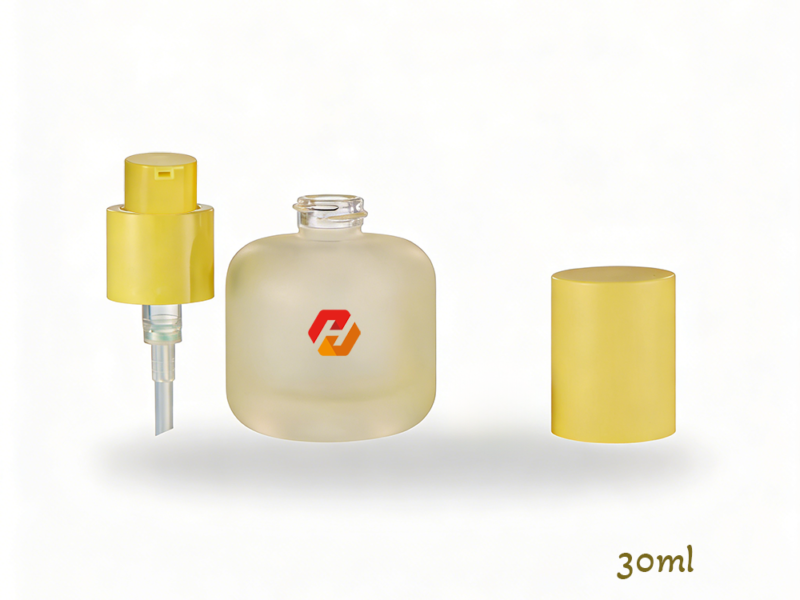
Selecting the ideal serum bottle packaging is a vital step for skincare brands in 2026. Serums contain concentrated active ingredients that require specialized protection. The right container prevents the formula from losing its biological potency. It also ensures the product remains safe for consumers over time.
Quality packaging serves as a protective shield against external environmental factors. Light, oxygen, and heat can quickly degrade high-performance ingredients. Furthermore, the tactile feel of the bottle influences customer satisfaction. Choosing a high-quality material reflects the professional nature of the brand.
Effective serum bottle packaging must balance aesthetic appeal with technical functionality. Brands must consider how the product is filled and transported. During large-scale production, a hoist conveyor is often used to move empty containers. This automation ensures that delicate components are handled with precision and care.
Why is serum bottle packaging essential for 2026 skincare trends?
Modern skincare consumers in 2026 demand transparency and high efficacy. Serums often feature volatile components like Vitamin C or pure Retinol. These ingredients are prone to rapid oxidation when exposed to air. Therefore, the serum bottle packaging must provide an airtight environment.
Advanced formulations often contain sensitive peptides that react to UV radiation. Ultraviolet light can break down chemical bonds within the serum. This leads to a decrease in effectiveness and potential skin irritation. Using opaque or dark-tinted bottles helps mitigate these risks significantly.
The manufacturing process has also evolved to support these complex designs. Facilities now integrate a hoist conveyor to manage the vertical flow of packaging materials. This system allows for higher throughput while maintaining strict hygiene standards. Automation reduces human contact with the interior of the bottles.
Protecting sensitive formulas from oxidation?
Oxidation is the primary cause of product spoilage in the skincare industry. When air enters a bottle, it reacts with the active molecules. This reaction can change the color and smell of the serum. Serum bottle packaging that limits air exposure extends the shelf life.
Studies indicate that airless systems can maintain 95% of active potency for a year. Traditional droppers allow air to enter every time the cap is removed. In contrast, vacuum-sealed pumps keep the formula isolated from the atmosphere. This is crucial for brands promising clinical-grade results.
The physical integrity of the container is another factor in preventing oxidation. Micro-cracks in low-quality plastic can allow oxygen molecules to permeate. High-grade glass or multi-layer plastics are preferred for their barrier properties. These materials ensure that the serum remains fresh until the last drop.
Enhancing brand luxury through material choice?
The weight and clarity of a bottle communicate brand value instantly. Glass is often perceived as a premium material by most global consumers. It provides a heavy, substantial feel that suggests high-end science. Serum bottle packaging made of glass is also chemically inert.
This inert nature means the bottle will not react with acidic serums. Plastic can sometimes leach chemicals if the formula is highly concentrated. Glass remains the safest choice for maintaining the purity of the contents. Additionally, frosted glass finishes offer a sophisticated and modern look.
Sustainability is another key driver for material selection in 2026. Glass is infinitely recyclable, making it an eco-friendly choice for luxury brands. Many companies are now opting for refillable glass systems to reduce waste. This approach aligns with the environmental values of modern skincare users.
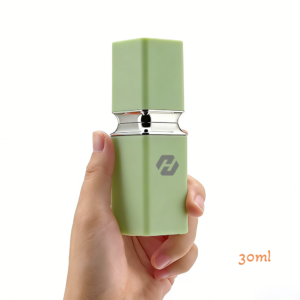
Which materials offer the best protection for skincare serums?
Choosing the right material involves analyzing the chemical compatibility of the serum. Glass, polyethylene terephthalate (PET), and polypropylene (PP) are common choices. Each material offers distinct benefits regarding durability and chemical resistance. Serum bottle packaging must be tested against the specific formula used.
Glass is the top choice for oil-based or highly acidic serums. It does not warp or degrade when exposed to essential oils. Furthermore, amber glass can block up to 99% of harmful UV rays. This makes it ideal for products that are sensitive to light.
Plastic options provide a lightweight and shatterproof alternative for daily use. PET plastic can be manufactured to look exactly like clear glass. It is much more cost-effective for shipping due to its lower weight. However, it may require additional UV coatings to protect the serum inside.
| Material Type | Durability | UV Protection | Sustainability |
| Amber Glass | High | Excellent | High (Recyclable) |
| PET Plastic | Medium | Moderate | Medium (PCR available) |
| PP Plastic | High | Low | High (BPA-Free) |
| Aluminum | Very High | Total | High (Infinite) |
The benefits of using borosilicate glass?
Borosilicate glass is known for its superior thermal and chemical resistance. It is frequently used in laboratory settings for its high stability. In serum bottle packaging, it ensures the product remains unaffected by temperature shifts. This is vital for international shipping through various climates.
This type of glass is less likely to crack under thermal stress. It provides a high level of transparency and brilliance for the formula. Brands using this material often highlight it as a mark of quality. It represents a commitment to the highest pharmaceutical standards in skincare.
Manufacturing borosilicate bottles requires precision and advanced machinery on the line. A hoist conveyor is often employed to lift these heavier glass components. This ensures they are placed accurately into the filling stations without damage. Such automation is key to maintaining a low rejection rate.
Exploring the rise of PCR plastic in 2026?
Post-consumer recycled (PCR) plastic is gaining massive popularity in the skincare market. It allows brands to use recycled materials without sacrificing bottle performance. Serum bottle packaging made from PCR reduces the carbon footprint of the brand. It appeals to the growing segment of eco-conscious beauty consumers.
PCR materials can be blended with virgin plastic for better structural integrity. This ensures the bottle remains flexible enough for easy dispensing. Many brands now use 50% to 100% PCR for their serum lines. It is a practical solution for the global plastic waste crisis.
Working with PCR requires a supplier with strict quality control measures. The recycled plastic must be purified to avoid any residual contaminants. This ensures the safety of the skincare product stored within the bottle. Quality PCR looks and feels identical to traditional plastic resins.
How to choose the best serum bottle packaging for specific viscosities?
Viscosity refers to the thickness or flow rate of the liquid serum. Water-based serums flow easily and require fine-tuned dispensing mechanisms. Thick, gel-like serums need a system that can handle higher pressure. Choosing the wrong serum bottle packaging leads to user frustration and product waste.
Thin serums are often paired with traditional glass droppers for precision. This allows the user to apply the product drop by drop. However, very liquid formulas may leak if the cap fit is poor. Ensuring a tight seal is essential for these types of products.
Creamy serums work best with pump dispensers that have wider intake tubes. These pumps can pull the thicker liquid up without clogging the mechanism. Airless pumps are particularly effective for high-viscosity formulas that are difficult to pour. They ensure that almost 100% of the product is dispensed.
The precision of traditional glass droppers?
Glass droppers provide a “clinical” experience that many consumers enjoy. They allow for the exact measurement of a dose, such as three drops. Serum bottle packaging with a dropper is iconic in the skincare industry. It suggests a personalized and potent treatment for the skin.
One drawback of droppers is the frequent exposure of the serum to air. Every time the dropper is pulled out, oxygen enters the bottle. This can lead to faster degradation of sensitive active ingredients over time. Brands must decide if the aesthetic experience outweighs the stability risks.
To improve the dropper experience, some brands use “push-button” styles. These provide a more controlled intake of the serum into the pipette. This modern twist on a classic design offers better hygiene and precision. It keeps the neck of the bottle cleaner during daily use.
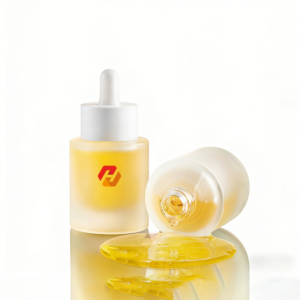
Why airless pump technology is superior?
Airless pump technology is the gold standard for high-performance skincare in 2026. These systems do not use a dip tube to dispense the liquid. Instead, a piston at the bottom rises as the product is pumped out. This keeps the serum in a vacuum-sealed environment at all times.
This design prevents the product from drying out or forming a crust. It is especially beneficial for formulas that contain high levels of Vitamin C. Serum bottle packaging with airless pumps significantly reduces the need for preservatives. This allows brands to market “cleaner” and more natural formulas.
Manufacturing airless pumps is a complex process involving multiple moving parts. The assembly lines must be highly automated to ensure consistent quality and function. Using a hoist conveyor helps manage the logistics of these intricate pump components. This ensures that the assembly process is both fast and accurate.
What role does automation like a hoist conveyor play in packaging?
Efficiency in the packaging plant directly impacts the final cost of the serum. Modern facilities use advanced transport systems to move bottles between stations. A hoist conveyor is essential for moving bulk quantities of bottles vertically. This saves floor space and organizes the production flow more effectively.
Automation reduces the risk of physical contamination from human handling. When a hoist conveyor moves bottles, they remain in a controlled environment. This is critical for skincare products that must meet medical-grade safety standards. It ensures that every bottle arrives at the filling station in perfect condition.
Furthermore, a hoist conveyor can be integrated with cleaning and sterilization units. As bottles are lifted, they can pass through ionized air or UV tunnels. This prepares the serum bottle packaging for the high-potency formula it will hold. Automated systems ensure that the production speed remains consistent and reliable.
Streamlining the assembly of complex dispensers?
Complex dispensers like dual-chamber pumps require multi-step assembly processes. Each component must be perfectly aligned to ensure the pump functions correctly. A hoist conveyor assists by delivering various parts to the assembly robots. This allows for the simultaneous construction of different packaging elements.
Automated systems are capable of detecting flaws that the human eye might miss. Sensors on the conveyor line check for cracks or imperfections in the glass. If a bottle is damaged, the system can automatically divert it from the line. This guarantees that only the highest quality packaging reaches the consumer.
The use of a hoist conveyor also improves the safety of the factory floor. It keeps heavy pallets of packaging materials off the ground and out of the way. This creates a more organized and safer workspace for the technical staff. Overall, automation is the backbone of the modern skincare packaging industry.
Maintaining hygiene standards in high-speed production?
Hygiene is the top priority when manufacturing serum bottle packaging for global brands. Any dust or microbial presence can ruin an entire batch of expensive serum. Automated transport systems like a hoist conveyor minimize the time bottles are exposed. They move containers quickly from the molding machine to the sealing station.
Closed-loop conveyor systems prevent environmental pollutants from entering the containers. These systems are often made of food-grade stainless steel for easy cleaning. In 2026, many factories use robotic arms in conjunction with these conveyors. This creates a fully hands-free manufacturing environment for maximum purity.
Strict adherence to these standards allows brands to pass international safety audits. Consumers are more likely to trust a brand that prioritizes manufacturing hygiene. Investing in high-tech machinery reflects a commitment to product excellence and safety. It ensures that the packaging is as high-quality as the serum itself.
How to determine if a supplier is right for your brand?
Evaluating a supplier requires a deep look at their technical capabilities and history. You should check if they offer custom molding and decoration services for your brand. A professional supplier will have a wide range of high-quality cosmetic bottles available. This allows you to find the perfect fit for your specific formula needs.
The ability to provide samples for compatibility testing is a non-negotiable requirement. You must ensure that the serum does not react with the bottle material. A good partner will also offer technical support regarding pump dosages and neck finishes. Transparency in their sourcing of raw materials is equally important for 2026 standards.
You can find a variety of professional-grade options by visiting the Hyrun cosmetic bottles category. This resource helps brands navigate the complexities of material selection and design. Choosing a supplier with a diverse inventory ensures that you can scale your production easily. Always prioritize suppliers who invest in modern manufacturing technology like automated conveyors.
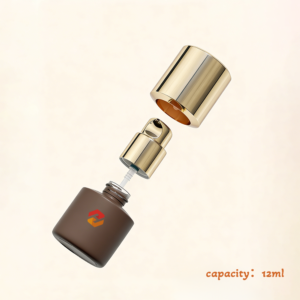
Summary
Choosing the best serum bottle packaging involves a careful analysis of formula stability and consumer preference. Glass remains the premium standard for protection, while airless pumps provide the best shelf-life for active ingredients. Brands must focus on material safety and manufacturing efficiency, including the use of a hoist conveyor. Selecting the right packaging ensures your skincare product delivers its promised results.
FAQ
1. What is the most protective color for glass serum bottles?
Amber glass is widely considered the most protective color for skincare products. It effectively blocks the broadest range of ultraviolet light wavelengths from reaching the formula. This is essential for preventing the oxidation of light-sensitive ingredients like Vitamin C. Using dark amber containers can extend the potency of your serum significantly.
2. Can I use plastic serum bottle packaging for all types of serums?
Plastic is suitable for many formulas, but it is not a universal solution for all serums. Some high concentrations of essential oils or acidic ingredients can cause plastic to degrade. It is vital to perform a 12-week compatibility test to ensure the material stays intact. For highly volatile or medical-grade formulas, glass is often the safer and more stable choice.
3. How does a hoist conveyor benefit the packaging of skincare products?
A hoist conveyor improves production by automating the vertical movement of bottles in the factory. This increases the speed of the assembly line and reduces the risk of manual handling errors. It also helps maintain a more hygienic environment by keeping containers off the floor. Automation of this type is crucial for maintaining high-speed, high-quality production outputs.
4. Why are airless pumps recommended for premium skincare brands?
Airless pumps are recommended because they create a vacuum seal that protects the serum from air. Unlike traditional droppers, they prevent oxygen and bacteria from entering the bottle during each use. This ensures that the active ingredients remain stable and effective for a longer period. They also provide a more consistent dose and a cleaner application for the user.
5. What are the environmental benefits of glass packaging in 2026?
Glass is a highly sustainable material because it can be recycled an infinite number of times. It does not lose its quality or purity during the recycling process, unlike many plastics. In 2026, many luxury brands use glass to appeal to environmentally conscious consumers. It also offers the possibility of refillable packaging systems which further reduce waste.
Reference Sources
Glass Packaging Institute (GPI)
Sustainable Packaging Coalition (SPC)