
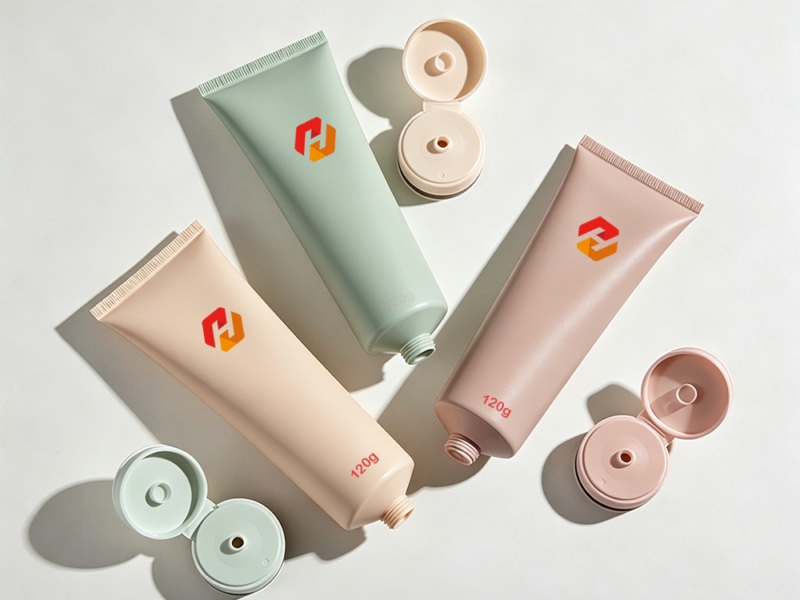
The beauty industry relies heavily on efficient delivery systems for various formulas. Cosmetic tube packaging has become the standard for liquids, creams, and gels. This packaging format offers a unique blend of functionality and aesthetic appeal.
Brands prioritize these containers because they protect sensitive ingredients from external contaminants. The global cosmetic packaging market is valued at over $33 billion. Growth in this sector is driven by the demand for portable and durable solutions.
Modern manufacturing allows for significant customization in size and material. From small 5ml sample sizes to large 300ml tubes, the options are vast. Selecting the right tube is essential for maintaining product integrity and consumer trust.
Why is Cosmetic Tube Packaging Essential for Beauty Brands?
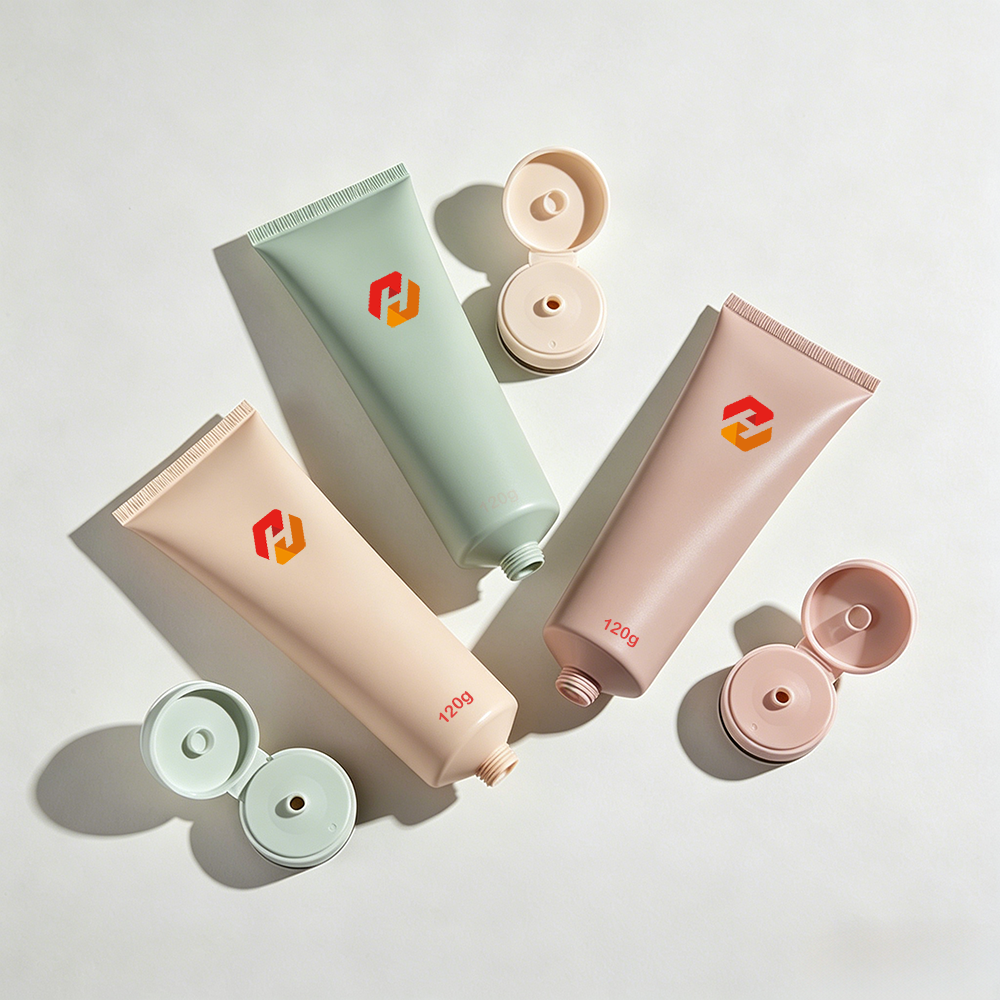
Formula protection is the primary reason brands choose cosmetic tube packaging. Active ingredients, such as Vitamin C or retinol, can degrade by up to 30% when exposed to air. Tubes minimize this exposure through narrow openings and air-tight caps.
Consumer convenience also plays a major role in the popularity of these containers. Tubes are lightweight and shatterproof, making them ideal for travel and daily use. They allow users to control the amount of product dispensed with high precision.
Furthermore, tubes offer a large surface area for branding and regulatory information. Manufacturers utilize advanced printing techniques like offset and silk screen printing. This ensures that the packaging effectively communicates the brand identity to the shopper.
Versatile Applications of Cosmetic Tube Packaging Across Industries
Skincare products represent the largest segment for cosmetic tube packaging usage. Cleansers, moisturizers, and sunscreens frequently utilize PE (Polyethylene) tubes for their flexibility. These tubes maintain their shape even after repeated squeezing.
The pharmaceutical and “cosmeceutical” sectors often require higher barrier properties. Aluminum Barrier Laminate (ABL) tubes are preferred for these specialized medical formulas. ABL structures combine the protective qualities of aluminum with the feel of plastic.
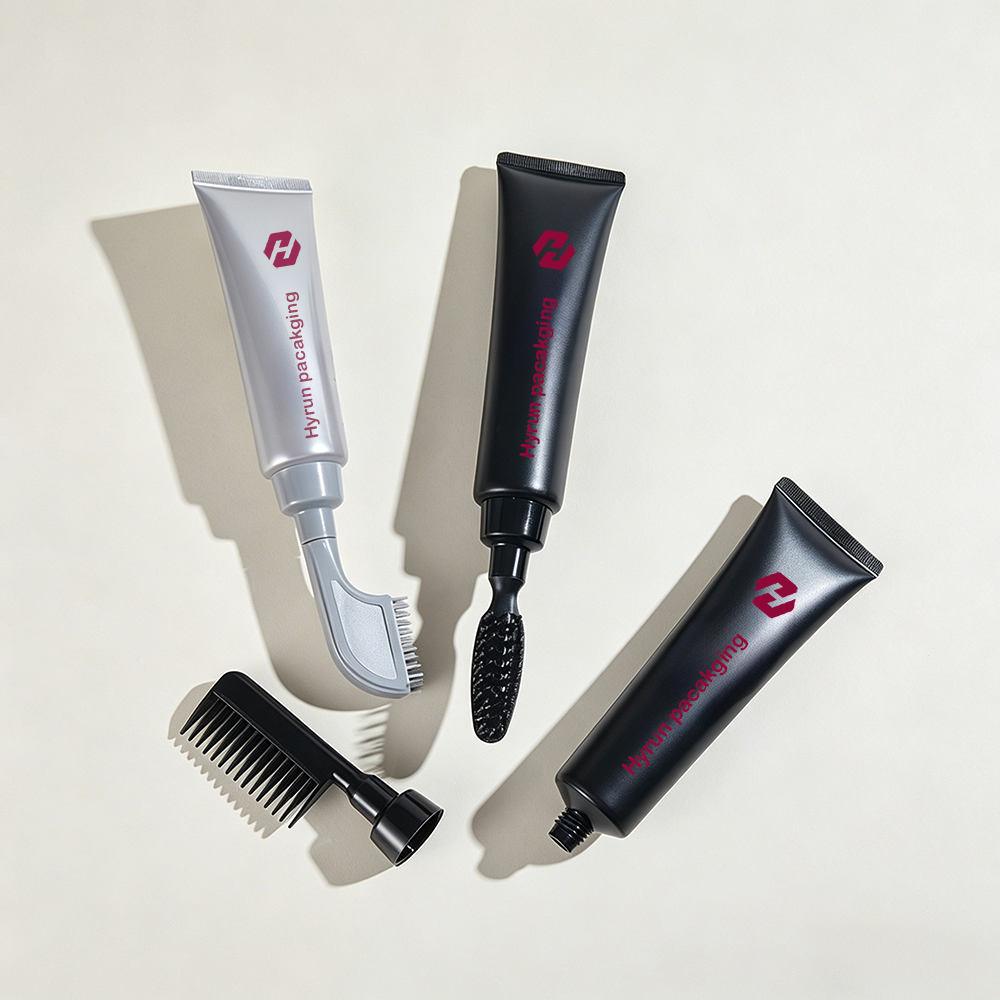
Makeup brands use smaller, specialized tubes for primers, concealers, and lip glosses. These often feature unique applicators like brush tips or cooling metal rollers. Such innovations enhance the user experience by providing a professional-grade application method.
| Tube Material | Best For | Key Feature |
| PE (Polyethylene) | Cleansers, Lotions | High flexibility and soft touch |
| ABL (Aluminum Barrier) | Medicated creams, SPF | Maximum light and oxygen barrier |
| PBL (Plastic Barrier) | High-end skincare | Superior graphics and bounce-back |
| PCR (Recycled) | Eco-friendly brands | Reduces virgin plastic usage |
Key Benefits of Modern Cosmetic Tube Packaging Materials
Sustainability is a major trend influencing the development of cosmetic tube packaging. Many companies now offer PCR (Post-Consumer Recycled) and sugarcane-based materials. These options help brands reduce their carbon footprint by up to 25% during production.
Safety remains a top priority for manufacturers and consumers alike. Most tubes are now BPA-free and compatible with various pH levels in beauty formulas. High-quality cosmetic tube packaging prevents chemical migration between the container and the product.
Cost-effectiveness is another significant advantage for growing beauty businesses. Tubes are generally more affordable to produce and transport than glass jars. Their lightweight nature reduces shipping costs and minimizes the risk of breakage during transit.
Selecting the Best Cosmetic Tube for Your Product Range
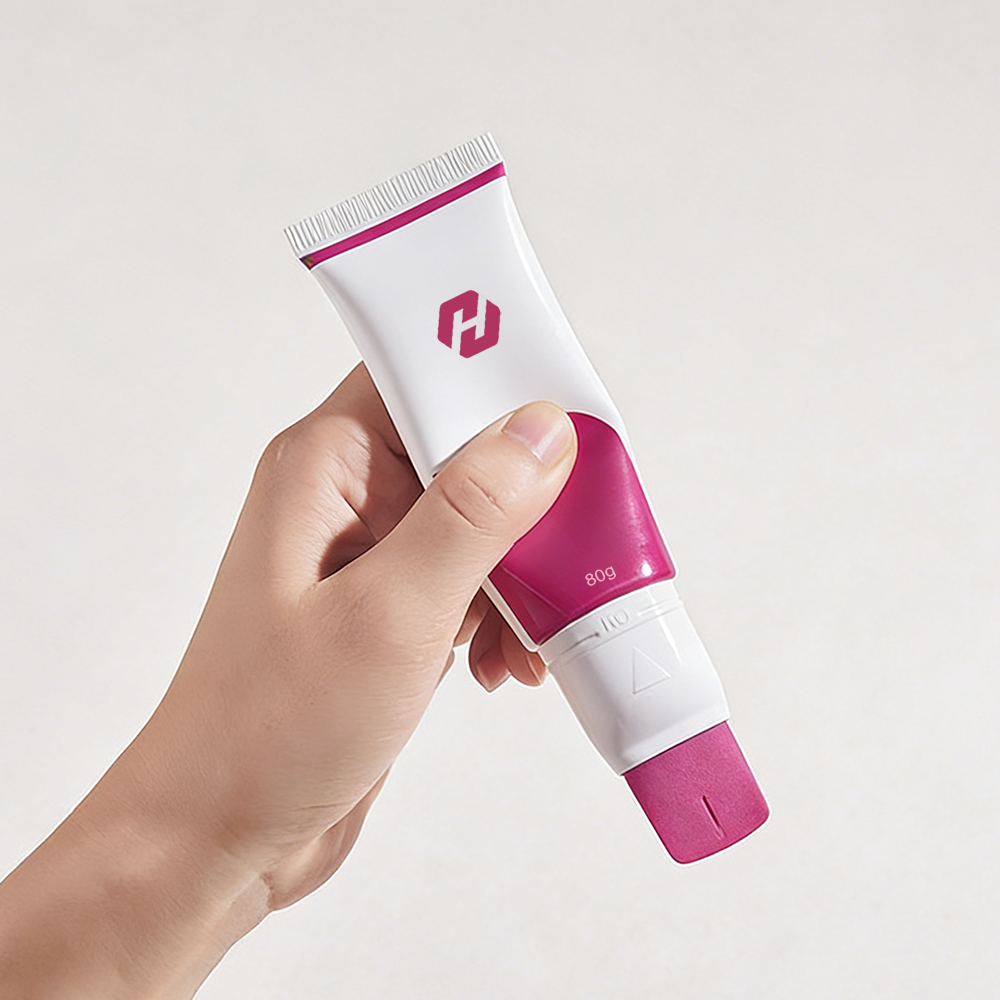
Choosing the right cosmetic tube packaging requires a clear understanding of your formula’s chemistry. High-viscosity creams may require tubes with wider orifices or flip-top caps. Thinner liquids often perform better with pump-head tubes or needle-nose applicators.
Consider the shelf-life requirements of your specific cosmetic product. Formulas with high essential oil content may need the barrier protection of ABL or PBL tubes. Standard PE tubes are typically sufficient for basic hydrating lotions and body washes.
Branding goals should also influence your choice of tube finishes and cap styles. Matte finishes provide a premium feel, while glossy finishes make colors pop. Evaluating these factors ensures your packaging aligns with both functional needs and market positioning.
Cosmetic tube packaging is an essential tool for any modern beauty or personal care brand. By selecting the correct materials and applicators, you ensure product safety and enhance the user experience. This versatile packaging format continues to evolve with sustainable materials and innovative designs.
Summary
Cosmetic tube packaging provides a secure, portable, and cost-effective solution for diverse beauty products. It protects sensitive formulas from oxidation while offering brands extensive customization options. Choosing the right tube material and design is critical for ensuring product stability and achieving long-term market success.
FAQ
Q:What are the most common materials used in cosmetic tube packaging?
The most common materials are PE (Polyethylene), ABL (Aluminum Barrier Laminate), and PBL (Plastic Barrier Laminate). PE is known for flexibility, while ABL provides the best protection against light and air.
Q:Can cosmetic tube packaging be recycled?
Yes, many modern tubes are made from recyclable materials like HDPE or contain PCR content. It is important to check with the manufacturer to ensure the specific tube and cap combination meets local recycling standards.
Q:What sizes are available for cosmetic tubes?
Tubes typically range from 5ml for samples to 300ml for body care products. The diameter of the tube determines the volume, with common sizes ranging from 13mm to 60mm.
Q:How does ABL differ from PBL in cosmetic tube packaging?
ABL contains a thin layer of aluminum foil for a superior barrier against oxygen and moisture. PBL uses an all-plastic barrier, which allows the tube to regain its shape and supports high-quality digital printing.
Reference Sources
Grand View Research: Cosmetic Packaging Market Size & Share Report
https://www.grandviewresearch.com/
CosmeticsDesign: Trends and Innovations in Beauty Packaging
https://www.cosmeticsdesign.com/
Association of Plastic Recyclers: Post-Consumer Recycled Content (PCR) Standards
https://plasticsrecycling.org/