
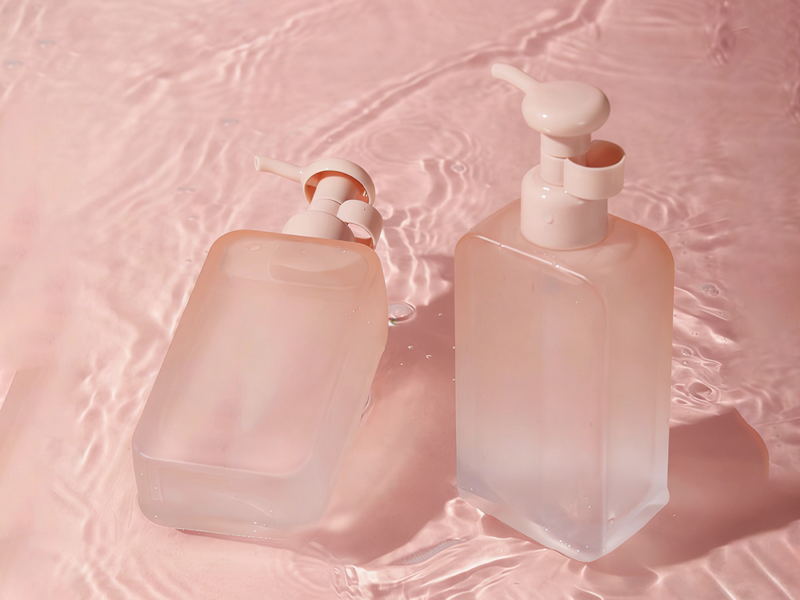
The personal care industry relies heavily on effective packaging to attract consumers. Shampoo bottles serve more than just a functional purpose for holding liquids. They represent brand identity and influence the overall user experience during every shower. Choosing the right design requires a deep understanding of materials, ergonomics, and sustainability trends.
Packaging acts as the first point of contact between a product and a customer. Modern consumers prioritize both aesthetics and environmental responsibility when selecting hair care products. Therefore, manufacturers must balance visual appeal with high-performance durability. This guide explores the essential components of high-quality shampoo bottles to help you make informed decisions.
Common Materials Used for Shampoo Bottles
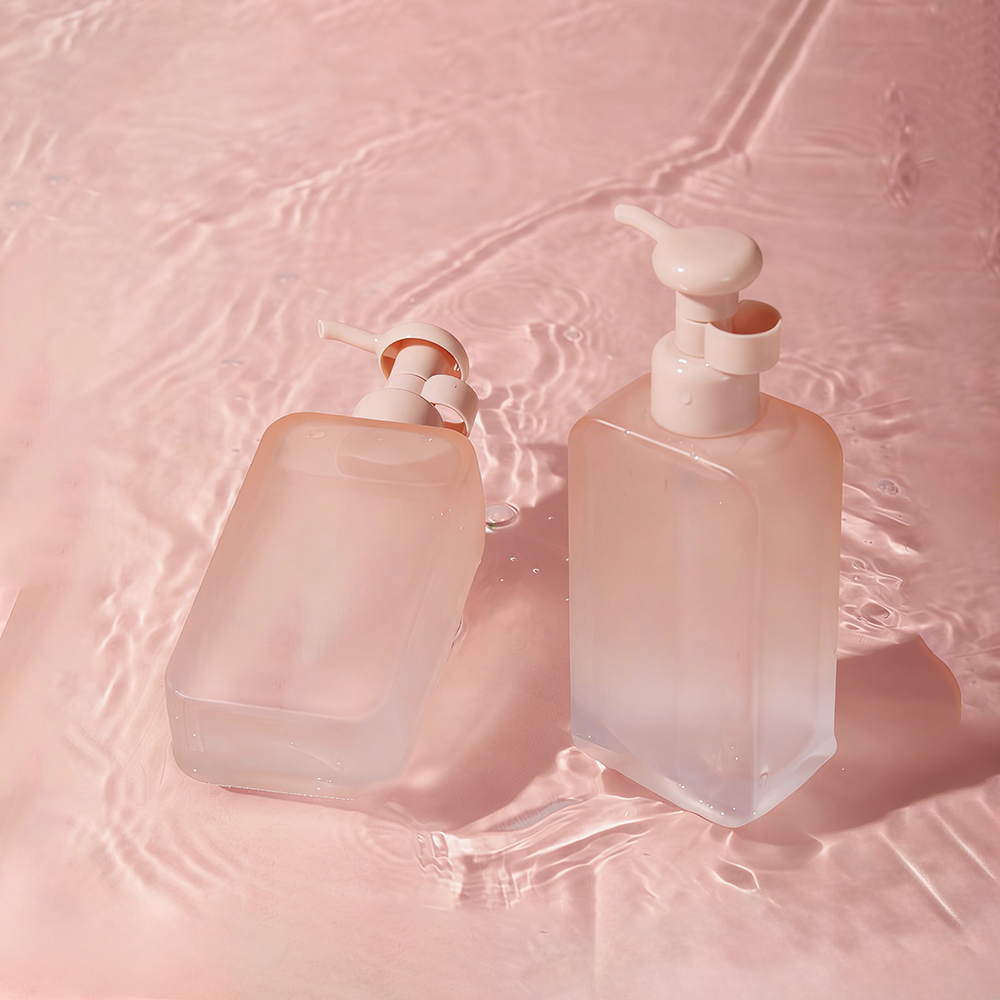
Selecting the correct material is the most critical step in packaging design. The choice affects the product’s shelf life, shipping costs, and environmental impact. Most brands choose between various plastics or high-quality glass depending on their target market.
Polyethylene Terephthalate (PET) is a popular choice for mass-market products. It is lightweight, shatterproof, and offers excellent clarity for colored liquids. However, many luxury brands are shifting toward glass for its premium feel and recyclability. Glass shampoo bottles offer superior chemical resistance compared to most plastics.
High-Density Polyethylene (HDPE) is another common option known for its durability. It is often used for opaque bottles that require a sturdy structure. Below is a comparison of the most common materials used today:
| Material | Durability | Recyclability | Cost | Best Use Case |
| PET Plastic | High | High | Low | Retail Consumer Goods |
| HDPE Plastic | Very High | Moderate | Low | Bulk or Professional Use |
| Glass | Moderate | 100% | High | Luxury & Hotel Amenities |
| PCR Plastic | High | Moderate | Moderate | Eco-conscious Brands |
Recent data shows that the global cosmetic packaging market is expanding rapidly. Statistics indicate that the glass packaging segment is expected to grow by 4% annually. This growth is driven by the demand for sustainable and refillable luxury options. Brands increasingly adopt glass to reduce their carbon footprint and appeal to high-end clients.
Key Design Elements for Functional Shampoo Bottles
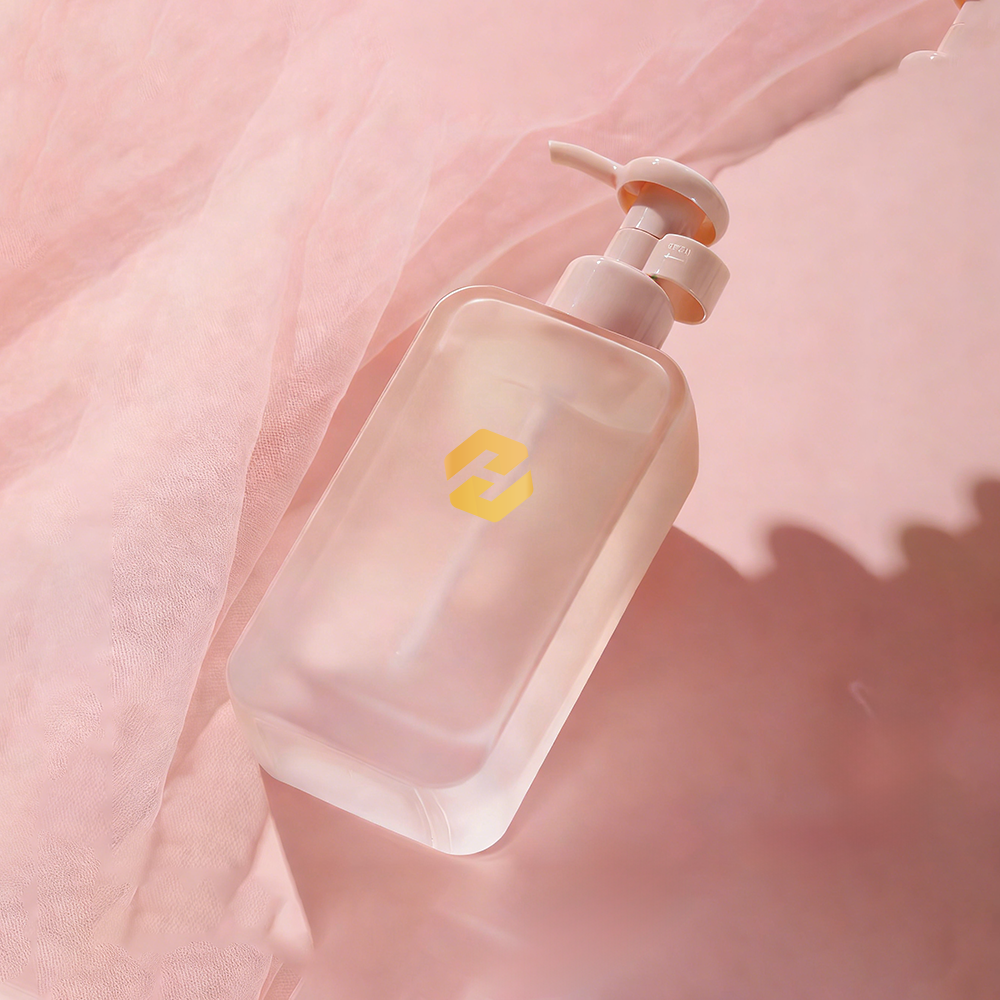
Functionality must always accompany style in packaging design. A bottle that is difficult to open or dispense from will frustrate the user. Shampoo bottles must feature ergonomic shapes that fit comfortably in wet hands. This prevents accidental drops and ensures a smooth user experience in the shower.
The dispensing mechanism is another vital design factor. Pump dispensers are highly favored for their convenience and precise dosing. Pump-top shampoo bottles minimize product waste by delivering a consistent amount of liquid every time. This is particularly important for expensive professional formulas or hotel amenities.
Size and transparency also play significant roles in consumer preference. Large, opaque bottles are ideal for families or budget-conscious buyers. Conversely, smaller, transparent bottles allow users to see the product texture and color. Clear packaging often signals purity and transparency in the formulation.
Sustainable Trends in Shampoo Packaging
Sustainability is no longer an optional feature for modern brands. Consumers are increasingly aware of the plastic waste crisis affecting our oceans. Refillable shampoo bottles are becoming a standard for environmentally conscious hotels and retailers. By using a durable base bottle, brands can significantly reduce single-use plastic consumption.
Post-consumer recycled (PCR) plastic is gaining traction as a middle ground. It gives new life to existing plastic waste but may have slight color inconsistencies. On the other hand, glass remains the gold standard for infinite recyclability. Glass can be recycled indefinitely without losing quality, making it the ultimate eco-friendly choice.
The shift toward “naked” packaging or solid bars is visible in niche markets. However, liquid products remains the dominant format for the majority of global users. Consequently, the focus remains on improving the circularity of the bottles themselves. Integrating refill stations in stores is one way the industry is evolving to meet these green goals.
How to Choose the Right Shampoo Bottle Design
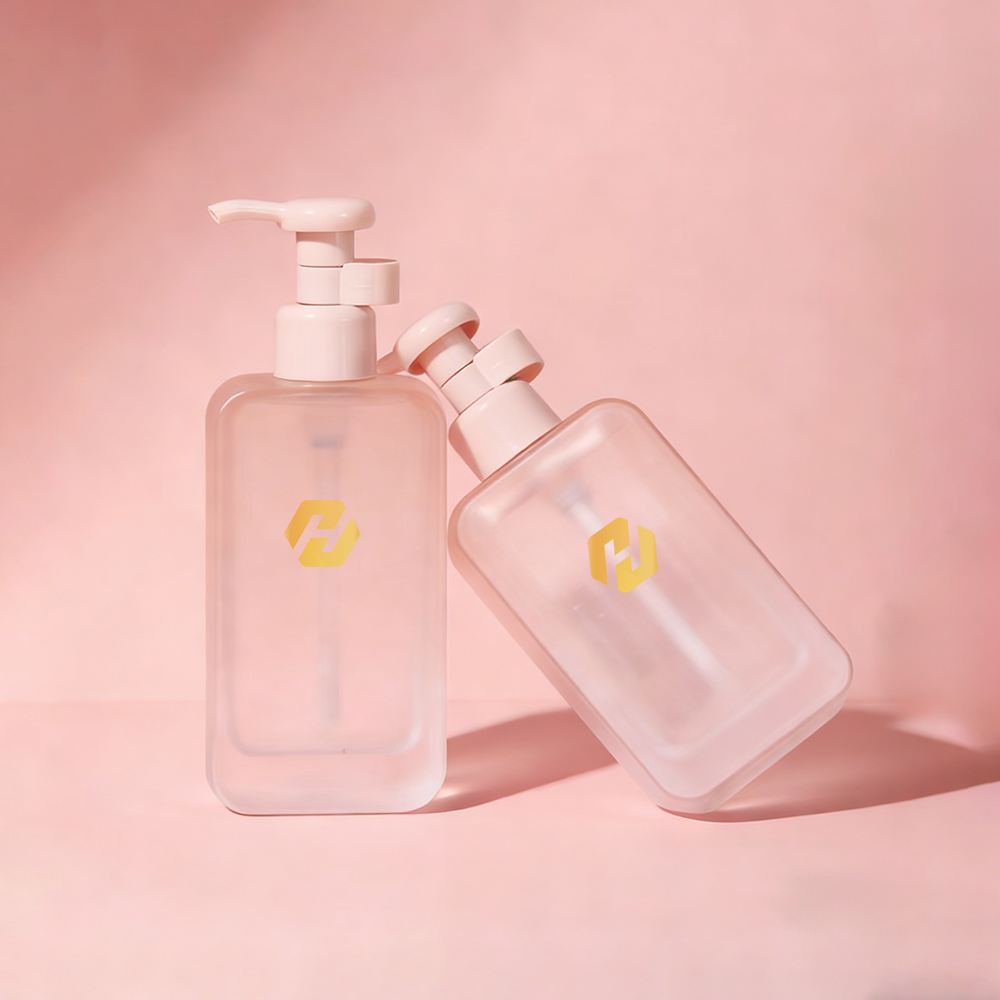
Choosing the right design depends on your specific brand positioning. If you target the luxury hospitality sector, glass is often the best choice. Glass bottles with pumps provide a high-end aesthetic that plastic cannot replicate. They feel heavier, look cleaner, and suggest a more sophisticated product inside.
Consider the environment where the bottle will be used. In a professional salon, durability and ease of one-handed operation are essential. In a home setting, the bottle should complement the bathroom decor. Sleek, minimalist designs tend to perform better in contemporary retail markets.
Weight and shipping costs are also practical considerations. While glass is heavier, it often requires less secondary packaging for premium presentation. Plastic is more cost-effective for long-distance shipping but may lack the “wow” factor. Always test your packaging against moisture and temperature changes to ensure long-term stability.
Criteria for Selecting Luxury Hotel Dispenser Systems
When evaluating packaging for high-end hospitality, the focus shifts to durability and maintenance. Refillable glass bottles are the ideal choice for luxury hotels aiming to eliminate single-use plastics. These systems allow housekeeping to top up products without replacing the entire container.
A high-quality pump mechanism is non-negotiable for hotel environments. It must withstand frequent use without clogging or breaking. Stainless steel or heavy-duty plastic pumps paired with glass offer a balanced mix of beauty and utility. This combination ensures that the guest experience remains premium throughout their stay.
The stability of the bottle is also a major safety concern. Heavy-bottomed glass containers are less likely to tip over on slippery surfaces. Choosing a frosted or textured glass finish can provide additional grip for wet hands. This attention to detail reflects the quality of the hotel’s brand and service. To explore professional options, you can view the hotel shampoo and conditioner glass bottle with pump for a standard of quality.
Summary
Effective shampoo bottles must balance material durability, functional design, and environmental sustainability. While plastic remains common for its low cost, glass is the preferred choice for luxury and eco-friendly branding. By focusing on ergonomics and refillable systems, brands can improve user satisfaction while reducing their environmental impact.
FAQ
Q:What is the best material for shampoo bottles?
Glass and PET plastic are the top choices. Glass is best for luxury and sustainability, while PET is ideal for lightweight, shatterproof retail needs.
Q:Are glass shampoo bottles safe for the shower?
Yes, if they are designed with thick walls and used in stable locations. Many luxury hotels use glass dispensers to provide a premium and eco-friendly guest experience.
Q:Why are pump dispensers preferred for shampoo?
Pumps offer controlled dispensing. They prevent product contamination and allow users to operate the bottle easily with one hand.
Q:Can shampoo bottles be recycled?
Most can be recycled. PET and HDPE plastics are widely accepted, but glass is the only material that can be recycled infinitely without quality loss.
Reference Sources:
- Environmental Protection Agency (EPA) – Plastics Material-Specific Data
https://www.epa.gov/ - Glass Packaging Institute (GPI) – Sustainability Benefits of Glass
https://www.gpi.org/ - Plastics Industry Association – Guide to Plastic Resins
https://www.plasticsindustry.org/