
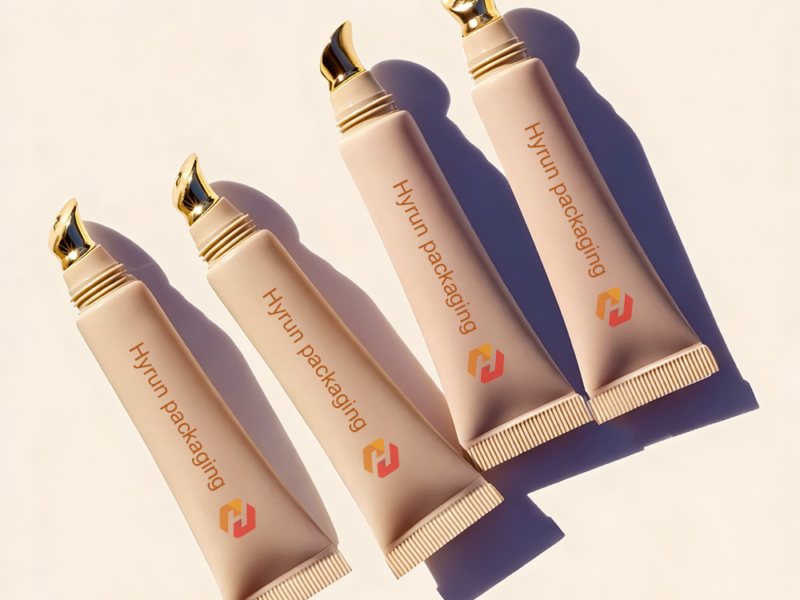
The beauty industry relies heavily on functional and attractive packaging to protect formulations. Cosmetic tubes remain one of the most popular choices for brands worldwide. They offer a unique blend of versatility, portability, and hygiene.
Whether you are launching a new skincare line or a premium hair treatment, understanding your packaging is vital. This guide explores the different materials and designs available today. It aims to help you make an informed decision for your brand.
Cosmetic tubes are designed to dispense products accurately while preventing contamination from external air. Modern manufacturing allows for high levels of customization in terms of shape and finish. Choosing the right tube can significantly impact your product’s shelf life and user experience.
Understanding Different Types of Cosmetic Tubes
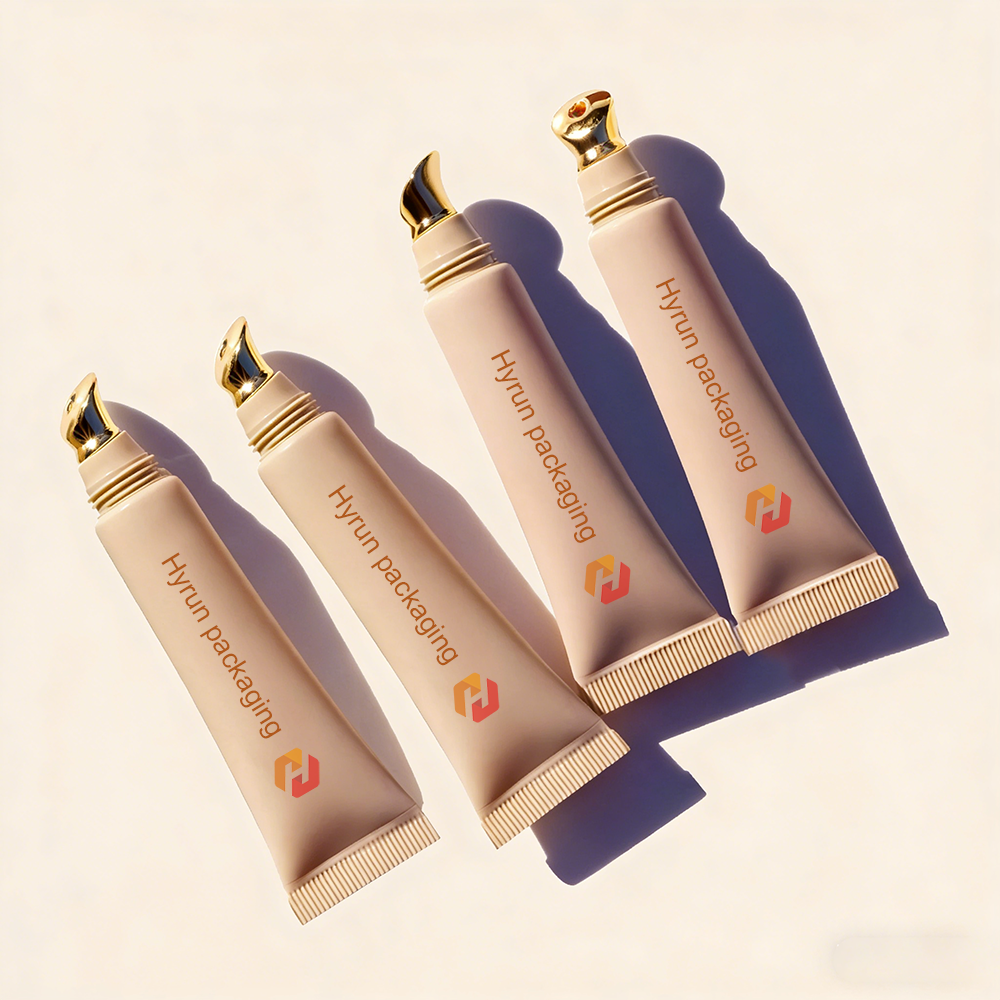
There are several variations of cosmetic tubes categorized by their dispensing mechanisms. Squeeze tubes are the most common and are used for various viscosities. They are cost-effective and allow users to control the amount of product dispensed easily.
Airless pump tubes represent a more advanced category for sensitive formulas. These tubes utilize a vacuum system to push the product upward. This design prevents air exposure, which is essential for preserving active ingredients like Vitamin C.
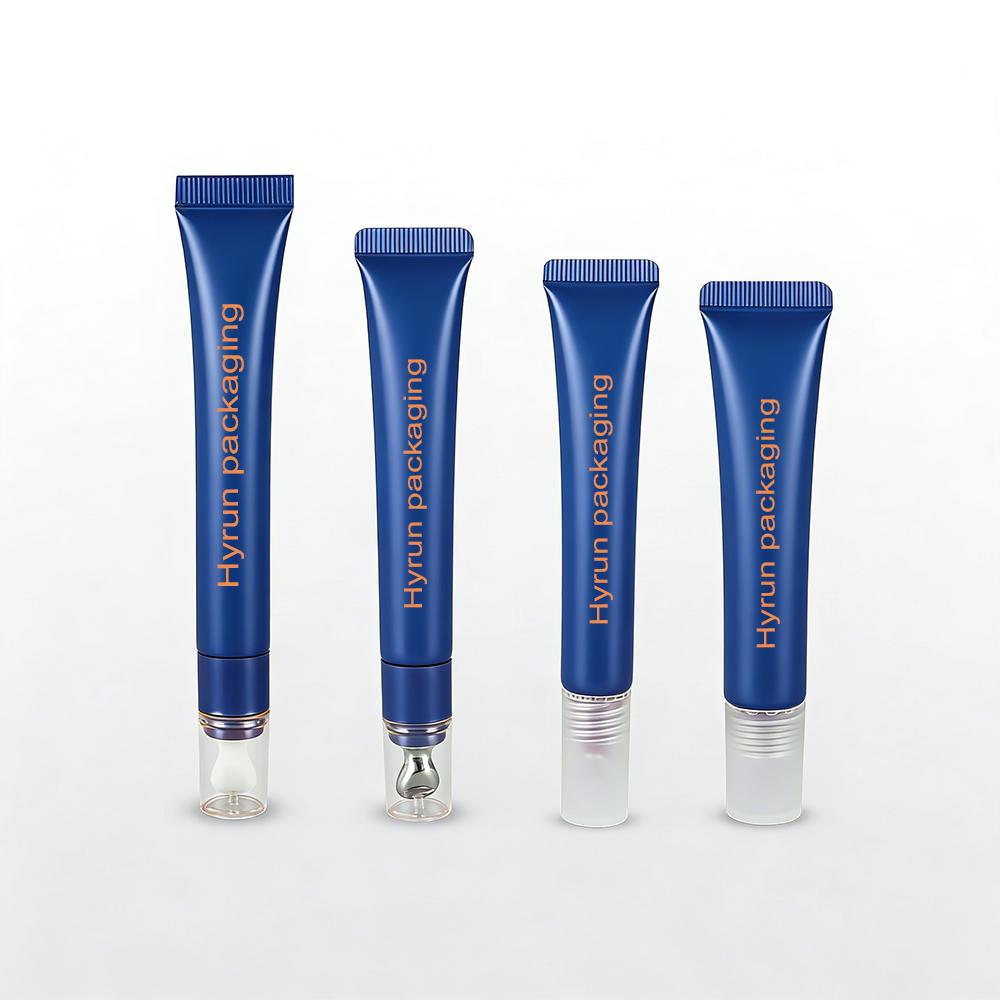
Applicator tubes feature specialized heads for specific tasks. These include roller balls for eye serums and brush tips for lip gloss. Using a dedicated applicator enhances the application process and provides a premium feel.
| Tube Type | Common Uses | Key Benefit |
| Squeeze Tube | Cleansers, Lotions | High cost-efficiency |
| Airless Pump | Retinol, Serums | Maximum formula protection |
| Roller Ball | Eye Creams | Cooling and massage effect |
| Brush Tip | Lip Oils, Concealers | Precise application |
Material Science Behind Modern Cosmetic Tubes
The choice of material determines the barrier properties and the tactile feel of the tube. Polyethylene (PE) is a standard plastic used for its flexibility and durability. It comes in low-density (LDPE) for soft tubes and high-density (HDPE) for stiffer ones.
Aluminum Barrier Laminate (ABL) tubes are widely used for products requiring high protection. They consist of a thin layer of aluminum sandwiched between plastic layers. This structure provides an excellent barrier against light, oxygen, and moisture.
Plastic Barrier Laminate (PBL) tubes are an alternative that maintains the tube’s shape after squeezing. Unlike ABL, PBL tubes do not “crinkle” and can be printed with complex graphics. They are often preferred for premium skincare products that require high-end branding.
Recent data shows the global cosmetic packaging market is valued at over $30 billion. A significant portion of this growth is driven by sustainable materials. Many brands now opt for Post-Consumer Recycled (PCR) plastics to reduce environmental impact.
How to Choose the Right Cosmetic Tube for Your Needs
Selecting the ideal packaging requires a deep understanding of your formula’s chemistry. If your product contains essential oils, you must ensure the material is resistant to degradation. Compatibility testing is a critical step in the development process to prevent leakage or spoilage.
Consider the viscosity of your product when choosing the orifice size. Thicker creams require larger openings to ensure ease of use for the consumer. Conversely, liquid serums work best with narrow nozzles or controlled pump systems.
Sustainability is no longer an optional feature for modern beauty brands. Statistics indicate that approximately 60% of consumers prefer brands with eco-friendly packaging. Selecting cosmetic tubes made from Sugarcane PE or PCR materials can improve brand loyalty.
Identifying Quality Standards in Tube Manufacturing
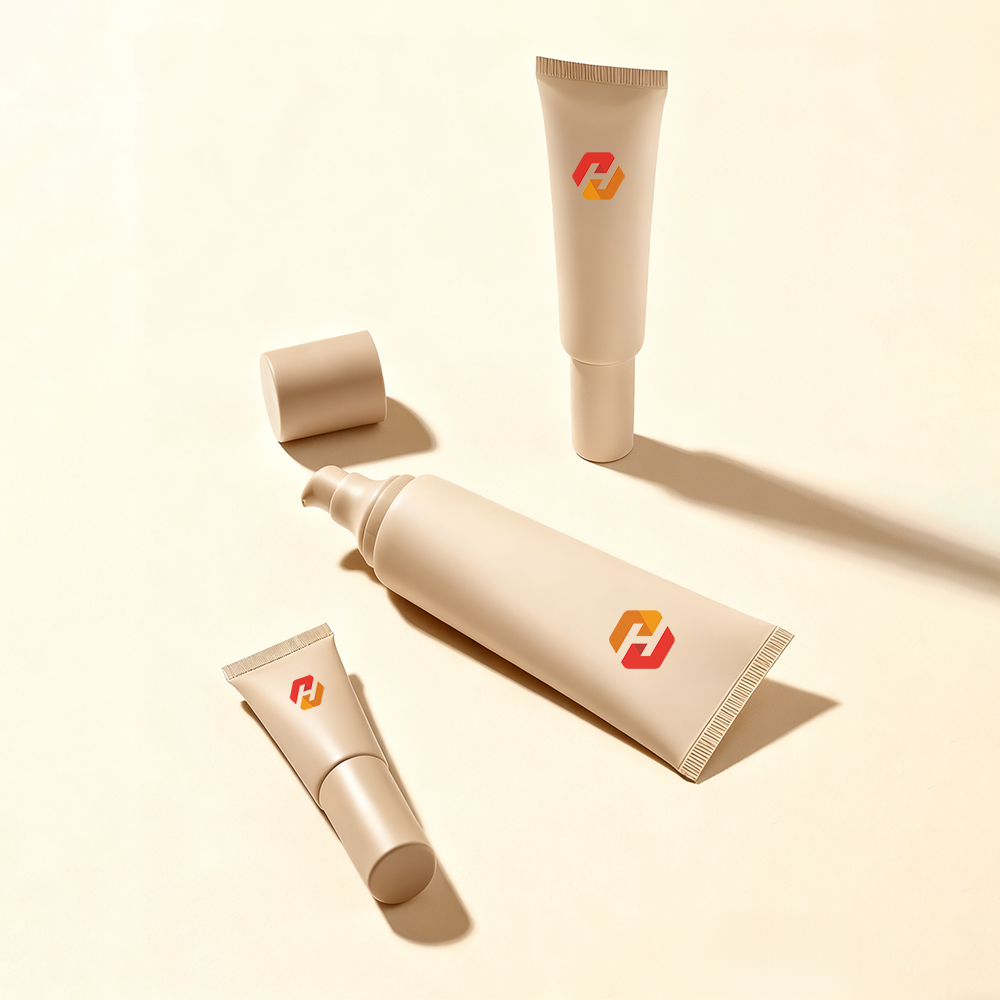
When evaluating a supplier, focus on their range of customization and material quality. A reliable provider should offer various head styles and closure options. These include flip-top caps, screw caps, and octagonal lids.
The decoration process is another vital factor for brand identity. High-quality offset printing and silk screening ensure your logo remains clear throughout use. Premium finishes like hot stamping can elevate the perceived value of your product.
Analyze the supplier’s commitment to innovation and manufacturing precision. Consistency in wall thickness and seal strength is necessary for long-term product safety. Choosing a supplier with a diverse portfolio allows for future scaling of your product lines.
Summary
Cosmetic tubes are versatile tools that protect formulas and enhance the user experience. By selecting the right materials like PE, ABL, or PBL, you ensure product stability. Proper packaging choices directly influence consumer perception and the overall success of your beauty brand.
FAQ
Q:What are the most common materials for cosmetic tubes?
The most common materials include PE (Polyethylene), ABL (Aluminum Barrier Laminate), and PBL (Plastic Barrier Laminate). PE is prized for flexibility, while ABL offers the highest barrier protection.
Q:Can cosmetic tubes be recycled?
Many tubes made from mono-material PE are recyclable in standard facilities. However, laminate tubes like ABL may require specialized recycling programs due to their multi-layer structure.
Q:What is the difference between ABL and PBL tubes?
ABL tubes contain a metal layer for superior protection but retain a “fold” when squeezed. PBL tubes are all-plastic, offering better shape memory and more vibrant printing options.
Q:Why should I use an airless pump tube?
Airless pump tubes protect sensitive ingredients from oxidation by preventing air from entering the container. This design is ideal for natural or preservative-free formulations.
Reference Sources
Association of Plastic Recyclers (APR) – Plastic Material Guides
https://plasticsrecycling.org/
Cosmetics Europe – The Personal Care Association
https://www.cosmeticseurope.eu/
Sustainable Packaging Coalition (SPC) – Industry Reports
https://sustainablepackaging.org/