
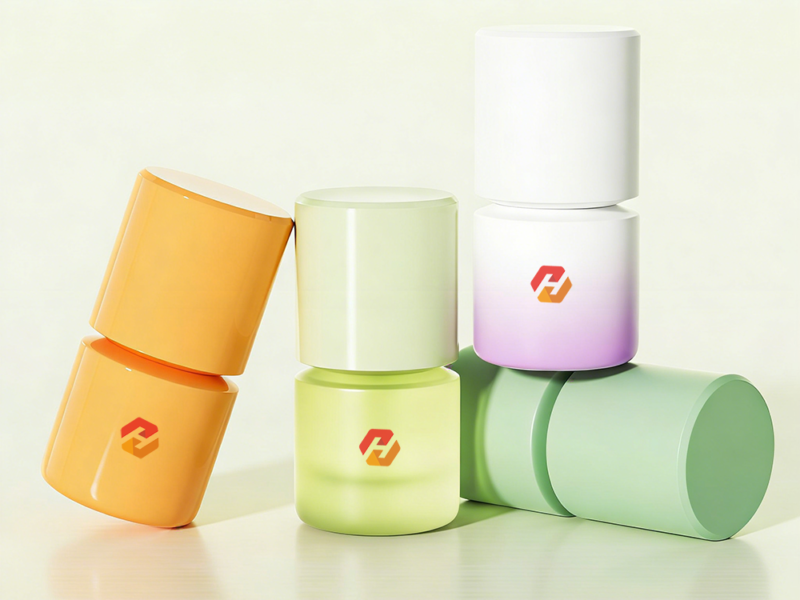
Selecting the right cosmetic packaging for skincare is a vital decision for any beauty brand. This choice influences brand perception and ensures product integrity over time. High-quality packaging protects sensitive ingredients from light, air, and bacterial contamination.
Your packaging serves as the first point of physical contact with your customers. It communicates your brand values through its weight, texture, and visual appeal. Choosing the wrong materials can lead to product degradation or a negative user experience.
The global cosmetic packaging market is expanding rapidly to meet diverse consumer needs. According to market research, the industry is expected to reach nearly $35 billion by 2025. This growth reflects the increasing importance of functional and aesthetic containers in the skincare sector.
Essential Factors for Selecting Cosmetic Packaging for Skincare
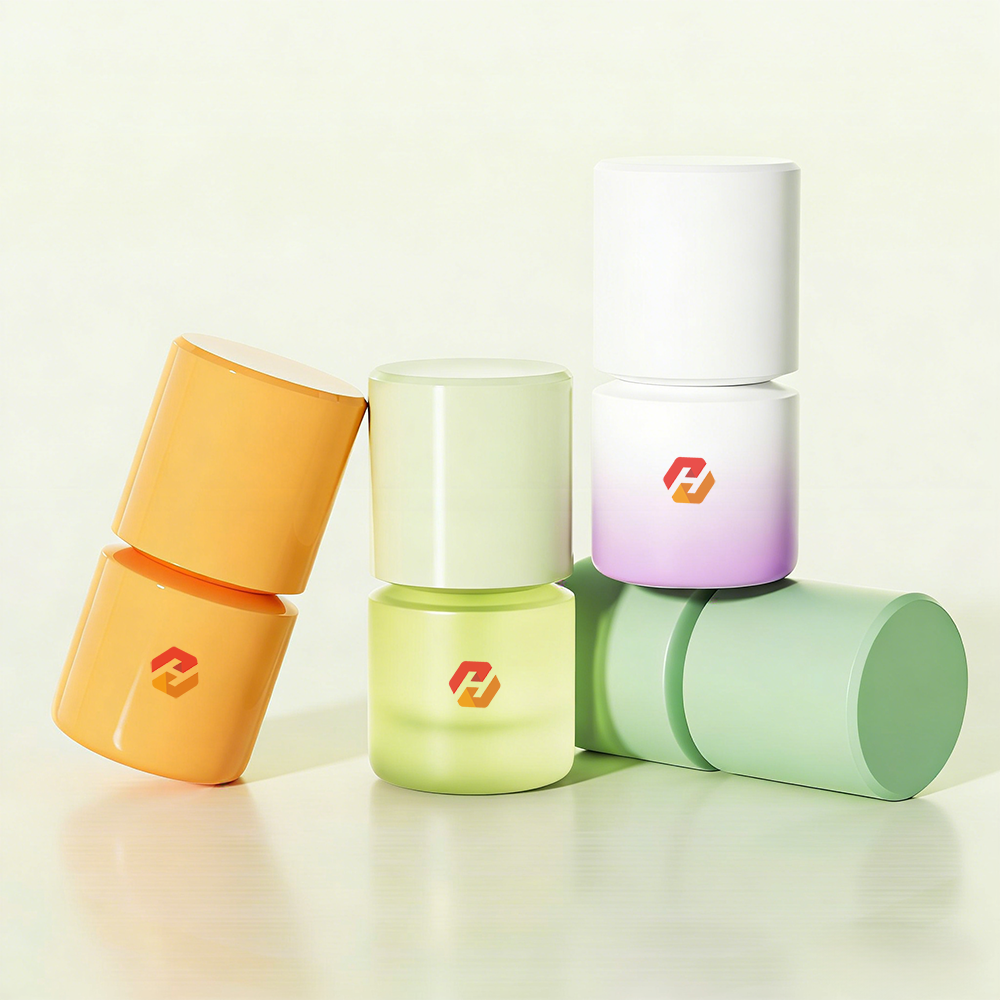
Compatibility between the formula and the container is the most critical technical factor. Skincare products often contain active ingredients like Vitamin C or retinol that degrade easily. You must ensure your cosmetic packaging for skincare provides an airtight seal to maintain potency.
Material selection determines both the cost and the luxury feel of your product line. Glass is often perceived as high-end and is highly resistant to chemical reactions. However, plastic options like PET and PP are lightweight and offer better shatter resistance during shipping.
The following table summarizes the common materials used in skincare containers:
| Material Type | Best For | Pros | Cons |
| Glass | Serums, High-end Creams | Recyclable, Non-reactive | Heavy, Breakable |
| PET / PETG | Lotions, Cleansers | Clear, Durable | Lower heat resistance |
| PP (Polypropylene) | Body Butters, Balms | Strong, Chemical resistant | Less transparent |
| Acrylic (PMMA) | Luxury Jars | Glass-like look, Sturdy | Harder to recycle |
How Packaging Technology Enhances Skincare Product Safety
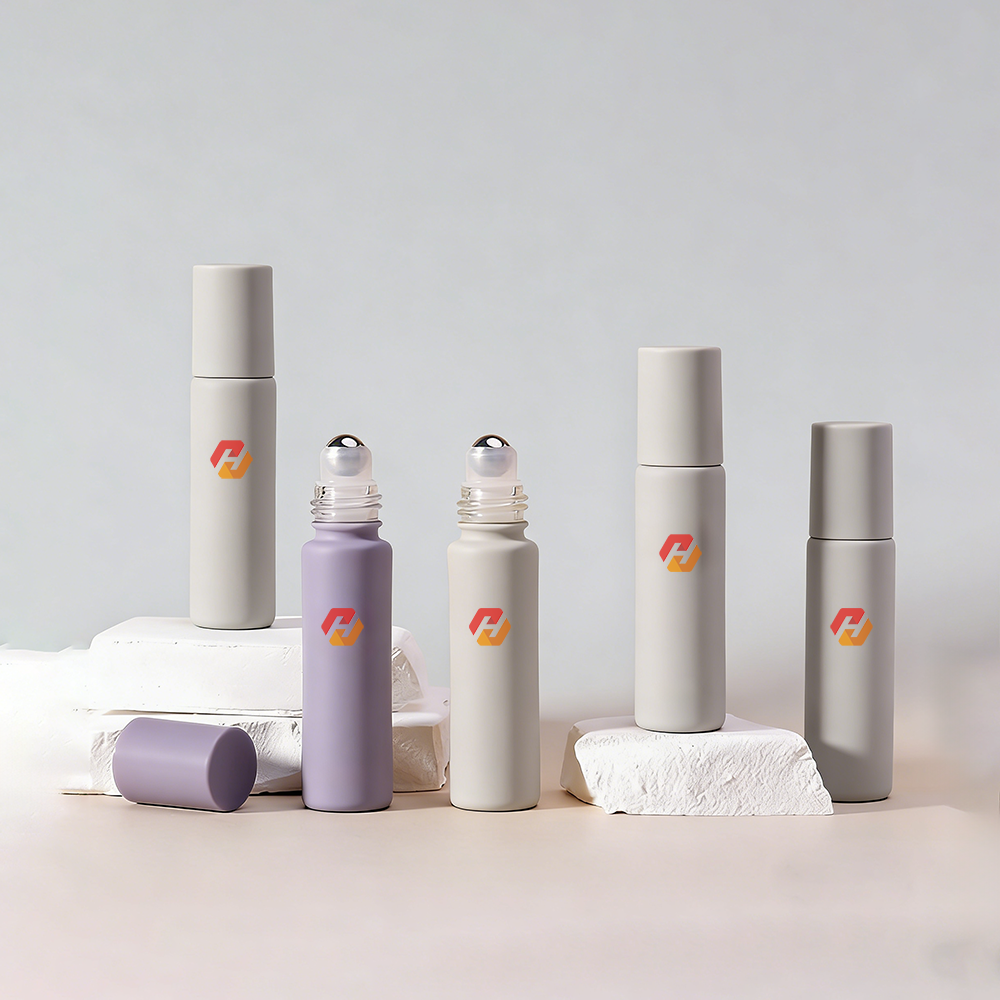
Airless pump technology is a major innovation in cosmetic packaging for skincare. This system uses a vacuum mechanism to dispense the product without introducing external air. Airless containers can reduce product waste by ensuring nearly 99% of the formula is used.
Studies show that airless packaging can extend the shelf life of natural formulas by up to 15%. This is essential for brands that avoid harsh synthetic preservatives. Protecting the formula from oxidation keeps active ingredients stable for longer periods.
Light sensitivity is another challenge for many modern skincare formulations. Opaque or UV-coated containers prevent light from breaking down delicate molecular structures. Always test your formula inside the chosen container for at least six months before launching.
Why Sustainability Matters in Your Packaging Strategy
Modern consumers are increasingly concerned about the environmental impact of their beauty routines. Recent surveys indicate that over 60% of shoppers prefer brands using eco-friendly materials. Transitioning to sustainable cosmetic packaging for skincare can significantly boost brand loyalty.
Post-consumer recycled (PCR) plastics are gaining popularity as a responsible choice. Using PCR reduces the need for virgin plastic production and lowers carbon emissions. Many luxury brands are now integrating PCR into their high-end jars and bottles.
Refillable packaging systems represent the next step in sustainable design. These systems allow customers to keep the outer luxury container while replacing the inner pod. This approach reduces waste and encourages repeat purchases from your existing customer base.
Functional Design Requirements for Different Product Types
The viscosity of your product dictates the type of closure you should choose. Thick creams and masks are best suited for wide-mouth jars. These jars allow users to access every bit of the product easily.
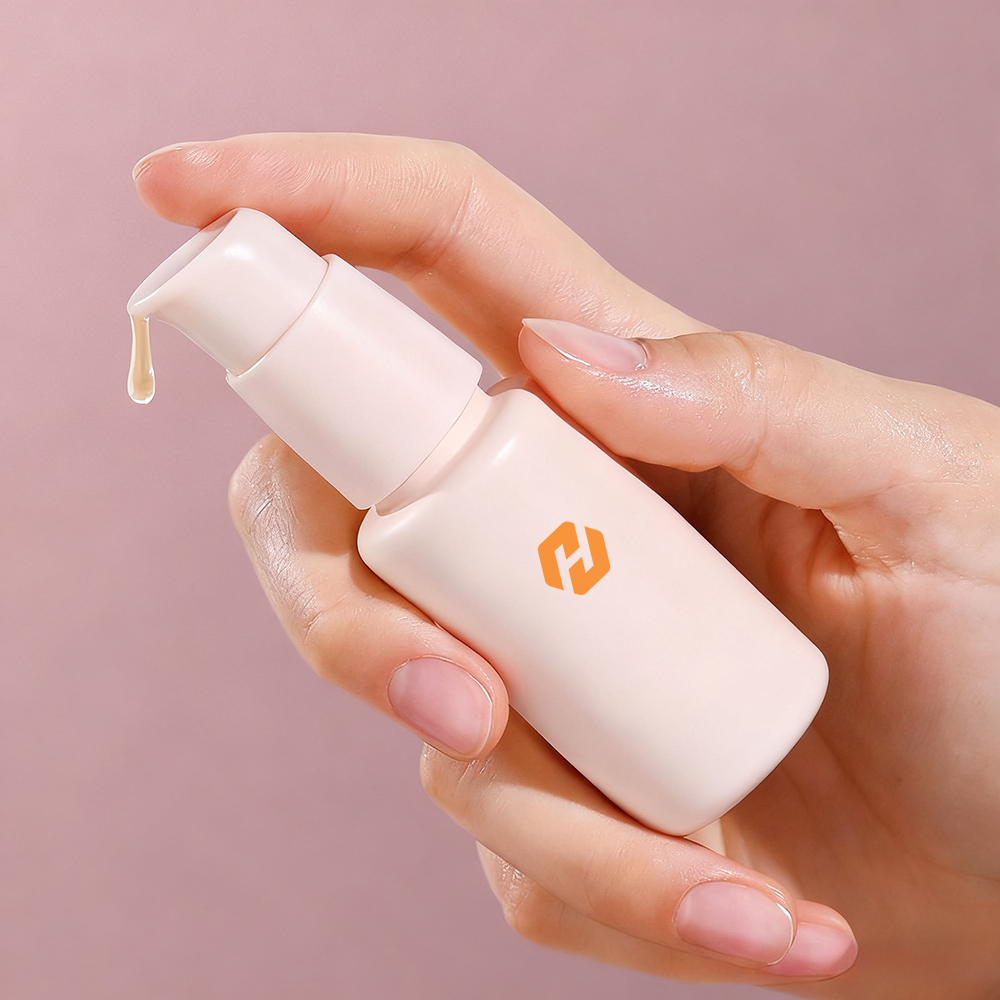
For liquid products like toners or serums, treatment pumps or droppers are ideal. These dispensers provide precise dosing, which is important for concentrated formulas. Consistency in dispensing improves the overall user experience and perceived product performance.
Travel-friendly sizes are also a key consideration for modern skincare brands. Offering smaller versions of your main products can increase market penetration. Ensure that your travel-size cosmetic packaging for skincare remains leak-proof under pressure changes.
How to Evaluate High-Quality Jars and Containers
When choosing between different suppliers, pay close attention to the structural integrity of the jars. Double-wall construction provides a premium aesthetic and extra protection for the internal formula. This design also offers better insulation against temperature fluctuations during transport.
High-quality cosmetic jars should feature precise threading to ensure a secure, leak-proof closure. Look for options that include gaskets or shives to prevent cream from sticking to the lid. These small details significantly improve the professional feel of your skincare line.
Customization options like silk-screening or hot stamping allow your brand to stand out. Evaluate how well the material takes to different printing techniques before making a bulk order. Choosing versatile containers ensures your brand identity remains consistent across all product sizes.
Summary
Choosing the right cosmetic packaging for skincare requires balancing protection, aesthetics, and sustainability. Prioritize materials that stabilize your ingredients while appealing to your target audience’s values. By selecting high-quality, functional containers, you ensure both product safety and long-term brand success in a competitive market.
FAQ
Q:What is the best material for organic skincare packaging?
Glass is typically the best choice for organic products because it is non-reactive and inert. It ensures that no chemicals from the packaging leach into the natural formula over time.
Q:How do airless pumps work in skincare?
Airless pumps use a piston mechanism to push the product upward without letting air enter the bottle. This prevents oxidation and allows the user to dispense the product from any angle.
Q:Why is UV protection important for cosmetic containers?
UV protection prevents light-sensitive ingredients, like antioxidants and essential oils, from breaking down. Using amber glass or opaque plastic helps maintain the efficacy of these active components.
Q:Is PCR plastic safe for skincare products?
Yes, PCR plastic is safe when sourced from reputable suppliers who follow strict purification processes. It provides a sustainable alternative to virgin plastic without compromising the safety of the formula.
Q:Can packaging affect the scent of my skincare product?
Certain plastics can interact with fragrances or essential oils, potentially altering the scent profile. Always perform compatibility testing to ensure the packaging does not absorb or change the product’s aroma.
Reference Sources:
Sustainable Packaging Coalition: Advancing Sustainable Packaging
https://sustainablepackaging.org/
International Journal of Cosmetic Science: Stability and Compatibility Testing
https://onlinelibrary.wiley.com/journal/14682494
Cosmetics Europe: The Personal Care Association
https://cosmeticseurope.eu/