
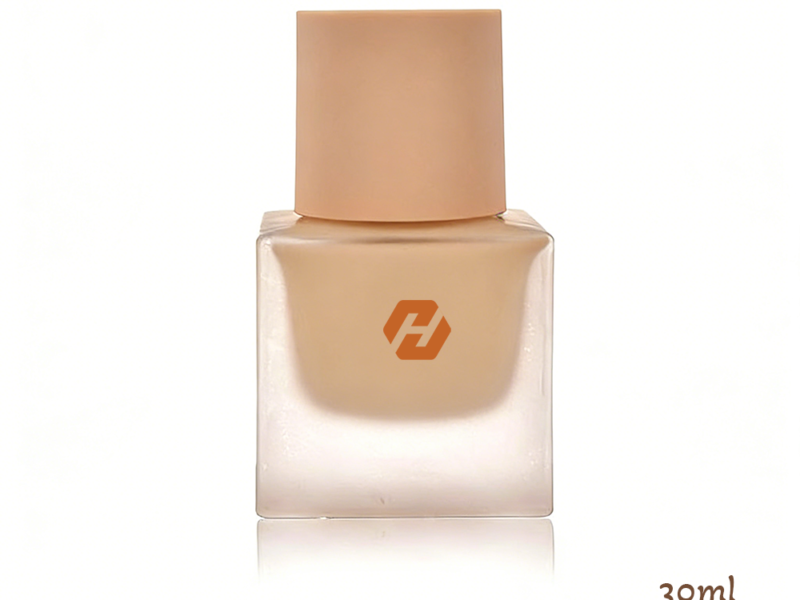
Selecting a glass cosmetic packaging supplier is a decision that dictates both brand perception and product shelf-life. In the high-end beauty sector, glass is the gold standard due to its impermeability and premium weight. However, not all glass is manufactured to the same technical specifications.
A professional procurement strategy must look beyond unit price. It requires an audit of a supplier’s manufacturing precision, material compatibility, and secondary processing capabilities. This guide outlines the technical benchmarks used by global brands to vet their glass packaging partners.
Material Integrity and Chemical Compatibility
A top-tier supplier distinguishes itself through the purity of its raw materials. In cosmetic manufacturing, the interaction between the formula and the container is a primary concern.
Most premium cosmetic bottles utilize soda-lime glass, but the “Type” matters. Type III glass is standard for cosmetics, offering excellent chemical resistance. However, for highly acidic or sensitive formulations like pure Vitamin C serums, a supplier should offer Type II (treated soda-lime) or even Borosilicate options.
A good supplier provides documentation proving the glass is “Type III” or higher. They ensure the glass is free from heavy metals like lead and cadmium, meeting FDA and REACH standards. This prevents “leaching,” where the container contaminates the formula over time.
Manufacturing Precision and Neck Finish Standards
The most common failure point in cosmetic packaging is the interface between the bottle neck and the closure (pump, dropper, or cap).
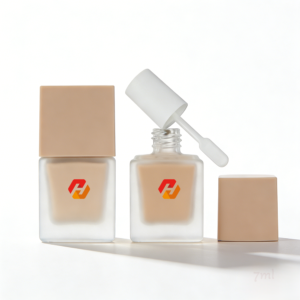
Reliable glass cosmetic packaging suppliers adhere to international neck finish standards such as GPI (Glass Packaging Institute) or DIN (Deutsche Industrie-Norm). Common specifications include 18/410, 20/410, or 24/410.
When evaluating a supplier, ask about their tolerance levels. If the neck diameter varies by even 0.5mm, it can lead to:
-
Vacuum leaks: Causing product oxidation.
-
Back-off: Where the cap unscrews during transit.
-
Pump failure: Where the dip tube does not seat correctly.
High-quality suppliers utilize automated inspection systems (cameras and sensors) on the production line to reject bottles with uneven neck rims or “birdswings” (thin glass filaments inside the bottle).
Surface Treatment and Decoration Expertise
For luxury brands, the bottle is a canvas. A supplier’s value is often found in their secondary processing capabilities.
Glass is naturally smooth and non-polar, making it difficult for inks to adhere. A sophisticated supplier will offer several advanced decoration methods:
-
Acid Frosting: Creating a translucent, matte finish that doesn’t fingerprint.
-
Screen Printing with Ceramic Inks: These are fired at high temperatures, fusing the ink to the glass for permanent durability.
-
Internal Lacquering: Coating the inside of the glass to create depth while keeping the exterior smooth.
-
Physical Vapor Deposition (PVD): A high-end metallic coating process more durable than traditional vacuum plating.
During the sampling phase, a professional supplier will perform “Cross-Hatch Tape Tests” to ensure the decoration will not peel or scratch during shipping or consumer use.
Annealing and Thermal Shock Resistance
Glass manufacturing involves extreme heat. If the glass cools too quickly, internal stresses develop, leading to “spontaneous breakage” weeks or months after production.
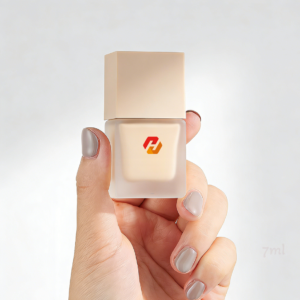
Expert suppliers utilize a process called Annealing. The bottles pass through a “Lehr” (a temperature-controlled tunnel) to slowly relieve internal stress.
A reputable supplier will conduct Thermal Shock Resistance tests. This involves moving a bottle from a hot environment (approx. 40°C) to a cold one (approx. 0°C). If the glass survives the expansion and contraction, it is fit for global distribution and varying warehouse conditions.
Quality Control (QC) and AQL Standards
B2B buyers should never accept “100% perfect” claims. Instead, look for a supplier that operates under clear AQL (Acceptable Quality Limit) standards.
A professional glass cosmetic packaging supplier typically follows ISO 2859-1 standards. They categorize defects into three tiers:
-
Critical Defects: Cracks, sharp edges, or contamination (Zero tolerance).
-
Major Defects: Functional issues like neck finish deviations or leaks (Low AQL, e.g., 0.65).
-
Minor Defects: Slight cosmetic bubbles or scratches (Higher AQL, e.g., 2.5).
Ask for a QC report before the balance payment is made. This report should include vacuum leak tests, weight consistency checks, and wall thickness measurements.
Aligning with Modern Procurement Needs: Hyrun Packaging
When sourcing at scale, it is beneficial to partner with a supplier that manages the complexity of diverse SKU requirements. For example, Hyrun’s cosmetic bottle range illustrates the breadth needed for a cohesive brand line—offering everything from precision droppers for oils to high-output pumps for lotions.
Working with a centralized supplier like Hyrun allows for:
-
Uniformity: Ensuring the “frosted finish” on a 30ml serum bottle matches the 50ml cream jar.
-
Customization Logistics: Coordinating the mold development for custom shapes alongside standard closures.
-
Supply Chain Resilience: Reducing the risk of components (bottle vs. pump) coming from different factories and failing to fit.
For OEM projects, a “good” supplier acts as a manufacturing consultant, identifying potential design flaws (like sharp corners that weaken the glass) before the mold is cut.
FAQ
What is the standard lead time for custom glass cosmetic bottles?
For standard bottles with custom decoration, lead times typically range from 30 to 45 days. If a custom private mold is required, add 25 to 30 days for mold engineering and sampling.
What is the typical MOQ for glass cosmetic packaging?
Stock bottles often have an MOQ of 5,000 to 10,000 units. Custom-colored glass or unique shapes generally require 20,000 to 50,000 units due to the requirements of continuous furnace production.
How do I ensure the glass won’t break during international shipping?
Evaluate the supplier’s secondary packaging. High-end suppliers use “divided cells” or egg-crate cardboard partitions. For bulk shipments, pallets should be shrink-wrapped and corner-protected to prevent shifting.
Can glass packaging be made from PCR (Post-Consumer Recycled) materials?
Yes. Many suppliers now offer 10% to 50% PCR glass. Note that higher PCR content can sometimes result in a slight greenish or grayish tint, which should be accounted for in the brand’s aesthetic design.
Reference Sources
-
ISO 12818: Glass packaging — Standard tolerances for neck finishes.
-
ASTM C147: Standard Test Methods for Internal Pressure Resistance of Glass Containers.
-
FEVE (The European Container Glass Federation): Guidelines on glass recyclability and chemical safety.
-
GPI (Glass Packaging Institute): Technical drawings and finish specifications for North American standards.