
As a packaging strategist, I often see high-quality formulations fail due to poor container choices. Your packaging is the first interaction a customer has with your brand. Glass pump bottles remain the gold standard for premium serums, lotions, and oils. They offer unmatched chemical compatibility and perceived luxury.
However, selecting the right bottle involves more than just aesthetics. You must consider technical specifications, material compatibility, and supply chain reliability. In this guide, I will help you navigate these critical factors. We will focus on securing packaging that protects your product and elevates your brand.
Why Chemical Inertness is Critical for Serums
The primary reason to choose glass over plastic is chemical stability. High-performance serums often contain volatile active ingredients. These ingredients can react with standard plastics, leading to leaching or degradation.
Glass is chemically inert and impermeable. According to the Glass Packaging Institute, glass is the only widely used packaging material considered “GRAS” (Generally Recognized as Safe) by the FDA. It does not interact with the formulation inside. This ensures that the scent, pH balance, and efficacy of your serum remain unaltered.
For B2B buyers, this stability reduces the risk of product recalls. It guarantees that the product reaching the consumer is exactly what you formulated. Investing in inert packaging protects your brand reputation long-term.
Strategic Advantages of 30ml Glass Pump Bottles
In the cosmetic industry, size dictates consumer perception and pricing strategy. The 30ml glass pump bottles format is the global standard for facial serums and treatments. This specific volume strikes a perfect balance between portability and value.
From a manufacturing perspective, 30ml bottles are highly efficient. They are large enough to justify a premium price point but small enough to encourage repeat purchases. This size is also ideal for travel-friendly product lines.
Furthermore, standardizing on a 30ml size simplifies your supply chain. It allows for easier sourcing of compatible secondary packaging, such as boxes and labels. Using this industry-standard size reduces the need for expensive custom molds.
The Critical Role of the Glass Bottle and PP Pump Head
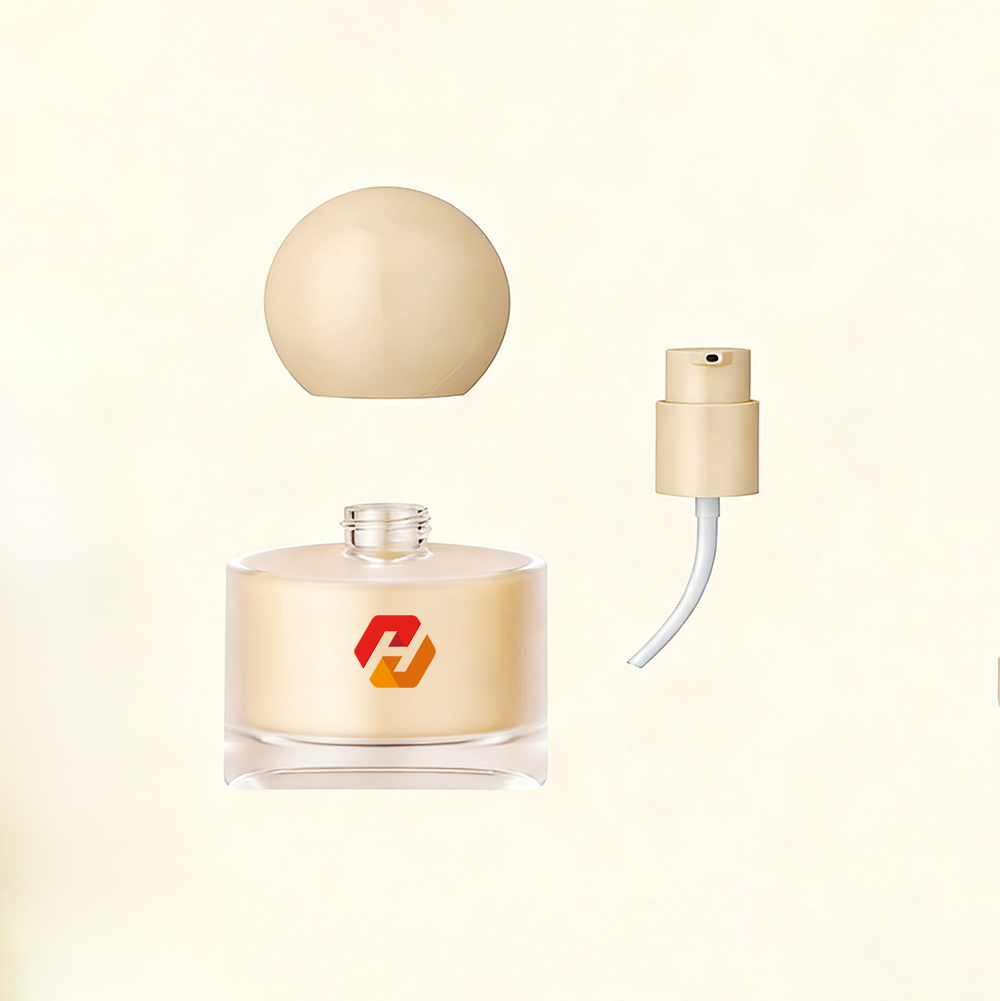
The container is only half of the equation; the dispensing mechanism is equally vital. A common configuration is a Glass Bottle and PP pump head. PP (Polypropylene) is a thermoplastic polymer known for its fatigue resistance.
A high-quality PP pump ensures precise dosage with every actuation. It must handle the viscosity of your product without clogging or sputtering. The compatibility between the glass neck and the PP pump is essential for preventing leakage.
During your procurement process, you must verify the “closure fit.” The pump collar must screw tightly onto the glass bottle to create an airtight seal. This prevents oxidation, which is a major enemy of active cosmetic ingredients.
Enhancing Brand Identity with Colorful Serum Glass Bottle Designs
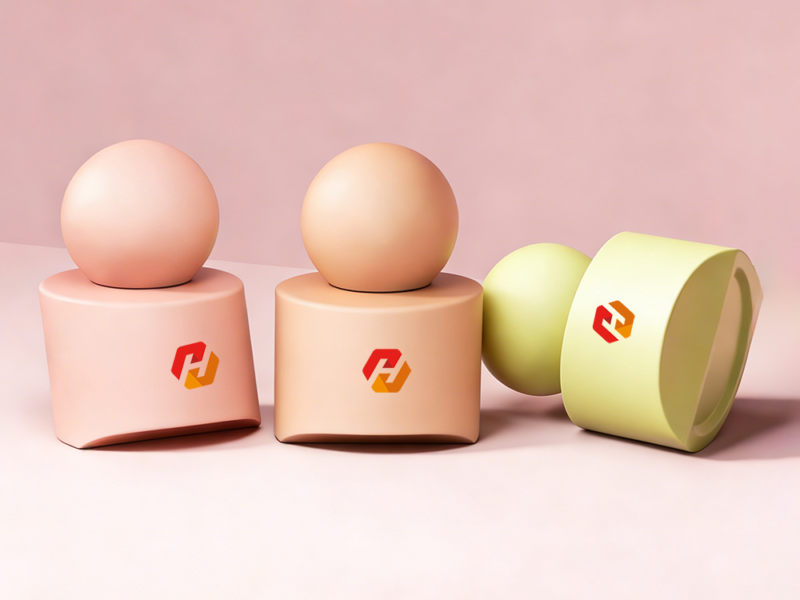
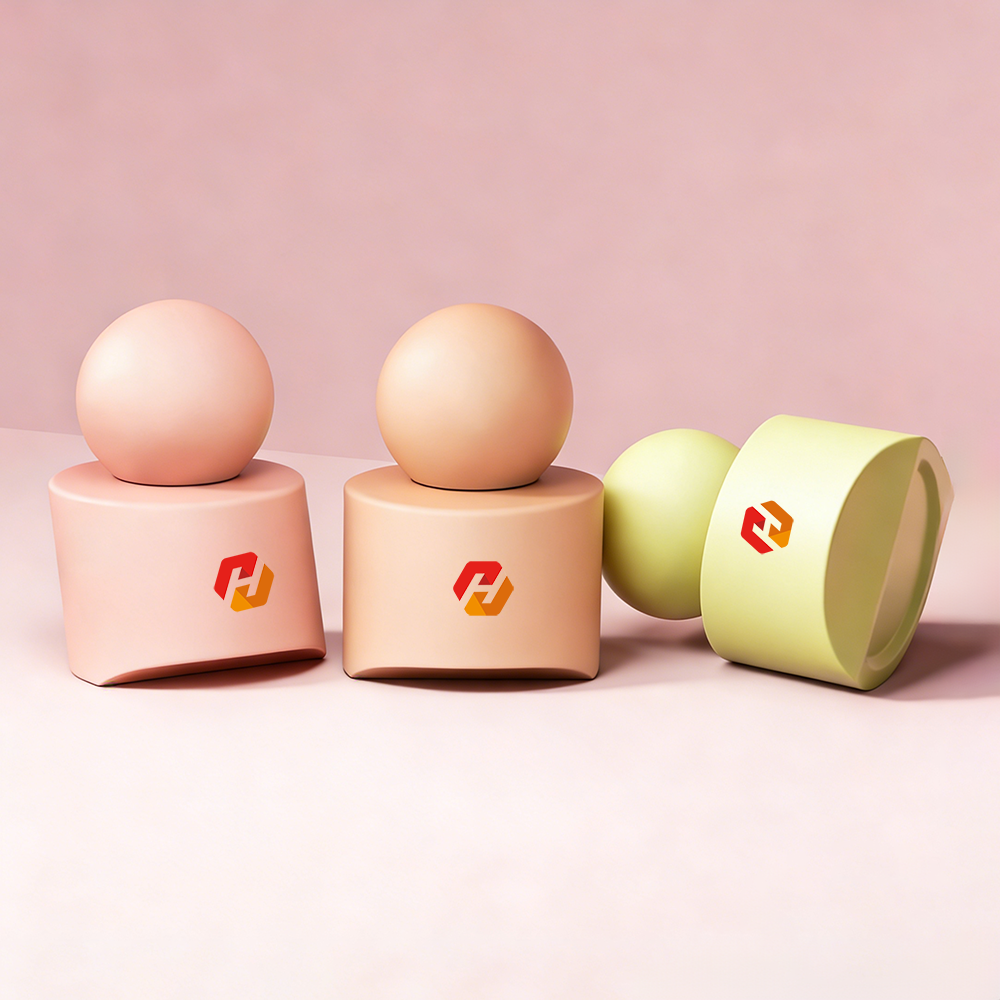
Clear glass is functional, but color drives brand recognition. A Colorful Serum Glass Bottle does more than catch the eye. It can also serve a functional purpose by filtering light.
Many active ingredients, such as Vitamin C or Retinol, are photosensitive. Exposure to UV light can cause these ingredients to break down rapidly. Colored glass—whether amber, cobalt, or a custom opaque gradient—blocks harmful light frequencies.
Customizing the color allows you to align the packaging with your brand palette. It signals to the consumer that this is a curated, high-end product. Aesthetic differentiation is crucial in a saturated market.
Evaluating Supplier Capabilities for Custom Packaging

When selecting a supplier, you need to look beyond the catalog image. You must assess their ability to deliver consistent quality at scale. A reliable manufacturing partner should offer flexibility in design and technical support.
Key Evaluation Criteria:
- Mold Quality: Does the glass have an even wall thickness?
- Decoration Options: Can they provide silk-screening or hot stamping?
- Pump Mechanics: Does the actuator feel smooth and sturdy?
You need a supplier who understands the intersection of beauty and engineering. For instance, specific designs can offer a unique tactile experience that sets your product apart. Investigating options like the Colorful Serum Glass Bottle can help you visualize the potential for your product line. Choosing the right partner ensures your vision becomes a physical reality.
Summary
Selecting the right glass pump bottles requires balancing aesthetic appeal with technical performance. You must prioritize chemical inertness, precise pump mechanics, and UV protection. Correctly matching a Glass Bottle and PP pump head ensures your product remains safe and effective. This attention to detail builds trust and loyalty with your end consumers.
FAQ
Q1: Why are glass bottles preferred for high-end cosmetics?
Glass is non-porous and impermeable, which protects active ingredients from oxidation and contamination better than most plastics.
Q2: What is the standard neck finish for 30ml glass pump bottles?
Common neck finishes for 30ml bottles include 18/410 or 20/410, but you should always confirm compatibility with your pump supplier.
Q3: Is the PP pump head recyclable?
Yes, Polypropylene (PP) is widely recyclable, though the internal metal spring usually needs to be removed before recycling.
Q4: Can I customize the color of my glass bottles?
Yes, manufacturers can spray coat, frost, or use colored glass to create a Colorful Serum Glass Bottle that matches your branding.
Q5: How do I test if a pump is compatible with my serum?
You must conduct stability and compatibility testing to ensure the pump can handle your formulation’s viscosity without clogging.
Reference Sources
Glass Packaging Institute (GPI) – Benefits of Glass Packaging
https://www.gpi.org/
U.S. Food and Drug Administration (FDA) – Cosmetics Packaging & Labeling
https://www.fda.gov/