
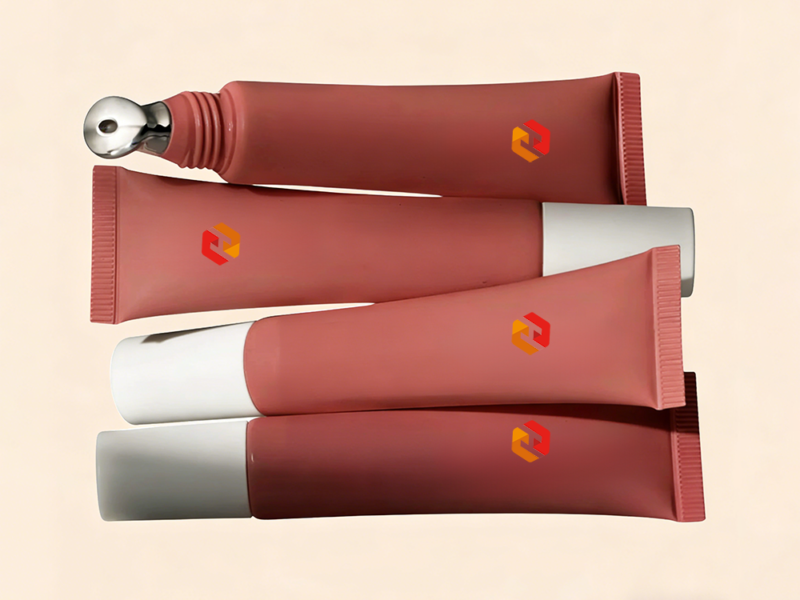
Selecting a primary packaging partner is one of the most critical decisions for a beauty brand’s supply chain. A failure in packaging—whether it is a leaking pump, a chemical reaction between the formula and the plastic, or poor print quality—directly impacts brand equity and consumer safety.
When searching for a cosmetic bottle manufacturer, the evaluation must go beyond unit price. You are looking for a technical partner capable of managing material science, precision tooling, and rigorous quality control. This guide outlines the professional framework for vetting suppliers to ensure long-term production stability.
1. Evaluate Material Expertise and Formula Compatibility
A reliable manufacturer does not just sell containers; they understand the chemical interaction between the product and the packaging. Different formulations require specific barrier properties to prevent oxidation or ingredient degradation.
-
Polyethylene (PE) & Polypropylene (PP): Common for squeezable tubes and bottles. PE is known for its flexibility and chemical resistance.
-
PET & PETG: Ideal for high-clarity bottles that mimic glass but offer shatter resistance.
-
Sustainability (PCR & Bio-plastics): Leading manufacturers now offer Post-Consumer Recycled (PCR) resins. You must verify the percentage of PCR (e.g., 30%, 50%, or 100%) and how it affects the color and structural integrity of the bottle.
-
Multi-layer Technology: For volatile formulas containing essential oils or active ingredients, ask if the manufacturer can produce multi-layer structures (such as EVOH layers) to provide superior oxygen barriers.
Experienced engineers will often request a sample of your formula to conduct compatibility testing, ensuring the plastic doesn’t “stress crack” or discolor over time.
2. Assess Decoration and Finishing Capabilities
In the cosmetic industry, the bottle is the brand’s primary marketing tool. A high-tier manufacturer should offer comprehensive in-house decoration services. This reduces lead times and minimizes the risk of damage during transport between different service providers.
Key technical processes to look for include:
-
Offset Printing: Cost-effective for high-volume runs with complex gradients.
-
Silk Screen Printing: Provides a tactile, premium feel with high ink opacity.
-
Hot Stamping & Heat Transfer: Essential for metallic finishes and luxury branding.
-
Labeling & Shrink Sleeving: For complex 360-degree graphics.
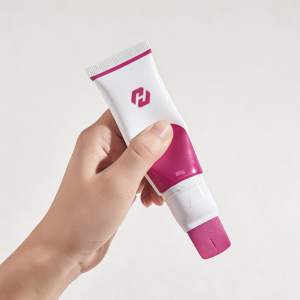
If you are sourcing specific formats, such as cosmetic tubes, ensure the manufacturer can match the decoration across different components (e.g., the bottle, the tube, and the cap) to maintain brand consistency.
3. Verification of Quality Control (QC) Protocols
A “cheap” manufacturer often saves costs by skipping rigorous QC steps. For B2B procurement, you must demand a detailed Quality Assurance (QA) manual. A reliable partner should perform the following tests:
-
Vacuum Leak Test: Ensuring the closure and bottle neck interface is airtight.
-
Torque Testing: Measuring the force required to open and close caps to ensure consumer ease-of-use.
-
Color Spectrophotometry: Using digital tools to ensure every production batch matches your specific Pantone or custom color within a narrow Delta E tolerance.
-
Drop Testing: Simulating shipping conditions to ensure the packaging doesn’t shatter or leak during transit.
Look for certifications such as ISO 9001 for general quality management and ISO 14001 if environmental standards are a priority for your brand.
4. Tooling and Customization Scalability
Does the manufacturer rely solely on “public molds,” or do they have the engineering capacity for custom tooling?
-
Public Molds: Lower cost, no tooling fee, but your packaging will look like many other brands.
-
Private Molds: Requires a significant upfront investment in CNC machining and mold design but offers a unique brand identity.
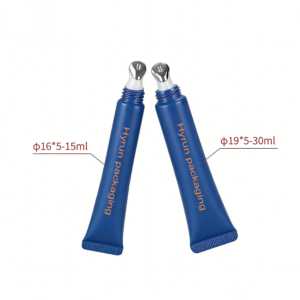
A professional manufacturer will provide 3D technical drawings and rapid prototyping (3D printing) services before you commit to expensive steel molds. They should also be able to advise on “wall thickness” and “orifice size”—technical details that affect how the product is dispensed.
5. Supply Chain Logistics and Lead Times
In the current global market, lead time predictability is as important as quality. When interviewing a manufacturer, clarify their workflow:
-
Sample Lead Time: Typically 7–14 days for decorated samples.
-
Mass Production: Usually 30–45 days depending on the complexity and material availability.
-
MOQ (Minimum Order Quantity): Industrial manufacturers usually require 5,000 to 10,000 units per SKU. Be wary of suppliers offering extremely low MOQs, as this often indicates they are middle-men (trading companies) rather than the factory itself.
Choosing the Right Partner: The Hyrun Approach
For brands seeking a specialized cosmetic bottle manufacturer with a focus on high-performance dispensing and modern materials, evaluating a factory’s specific product lines is essential.
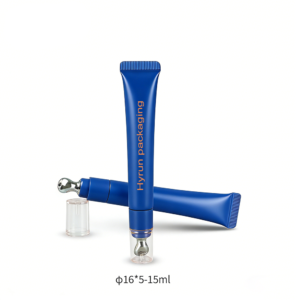
Companies like Hyrun Packaging demonstrate high technical proficiency in specialized segments, such as cosmetic tubes and flexible packaging. Their capabilities in ABL (Aluminum Barrier Laminate) and PBL (Plastic Barrier Laminate) reflect the precision required for modern cosmetic formulations. By choosing a manufacturer that understands the nuances of material barriers and high-end decoration, brands can ensure their product remains safe and visually striking from the factory floor to the consumer’s vanity.
FAQ: Sourcing Cosmetic Packaging
What is the difference between ABL and PBL tubes in cosmetic packaging?
ABL (Aluminum Barrier Laminate) contains a thin layer of aluminum, offering the best barrier against light and oxygen, ideal for toothpaste or high-active creams. PBL (Plastic Barrier Laminate) is 100% plastic, allowing for better “bounce back” (the tube keeps its shape) and superior aesthetic printing options.
How can I verify if a manufacturer is a real factory or just a trading company?
Ask for a video tour of the production line or request their ISO certification. A real manufacturer will have certificates issued in their own company name and can provide specific details about their injection molding and blowing machines.
Can I use PCR (Post-Consumer Recycled) plastic for all cosmetic products?
Most non-food-grade PCR is suitable for rinse-off products (shampoos) and many lotions. However, for “clean beauty” or high-sensitivity products, you must ensure the manufacturer uses GRS (Global Recycled Standard) certified materials to avoid contamination.
What are the standard payment terms for custom cosmetic bottle production?
The industry standard for OEM/ODM manufacturing is typically a 30% or 50% deposit before mold creation or production starts, with the balance paid after QC inspection but before shipment.
Reference Sources
-
ISO 9001:2015 – Quality management systems requirements for manufacturing.
-
ASTM D3475 – Standard Classification of Child-Resistant Packages.
-
Sustainable Packaging Coalition (SPC) – Guidelines on PCR integration in plastic packaging.
-
FDA Packaging & Containers Guidance – Regulations on materials in contact with cosmetics.