
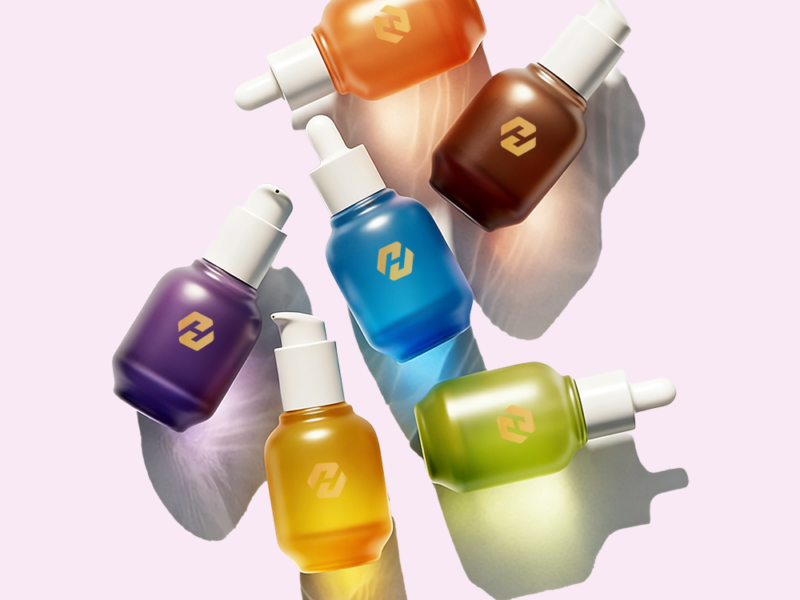
Sourcing cosmetic packaging from China is a strategic necessity for brands looking to balance cost-efficiency with high-end aesthetics. However, moving from a concept to a shelf-ready product requires more than just finding a low price on a B2B marketplace. It requires a deep understanding of material science, manufacturing tolerances, and supply chain logistics.
For procurement managers and brand owners, the challenge lies in navigating a landscape of thousands of manufacturers to find a partner that can meet stringent safety standards and high-precision design requirements.
Technical Material Selection: Beyond Aesthetics
The first step in sourcing is determining the technical specifications of your primary packaging. In the cosmetic industry, material compatibility is non-negotiable.
Common Materials and Their Applications:
-
PET (Polyethylene Terephthalate): High clarity and impact resistance. Ideal for lotions and cleansers.
-
Glass: The gold standard for luxury and chemical stability. Essential for essential oils and high-active serums.
-
Acrylic (PMMA): Provides a glass-like look with the durability of plastic; often used for double-walled jars.
-
PP (Polypropylene): Excellent chemical resistance, commonly used for caps and internal liners.
When evaluating cosmetic bottles, professional buyers must consider the “neck finish” (e.g., 18/410 or 20/410) to ensure pumps and sprayers provide an airtight seal. Failure to match neck tolerances leads to leakage during air freight—a common and costly mistake for inexperienced importers.
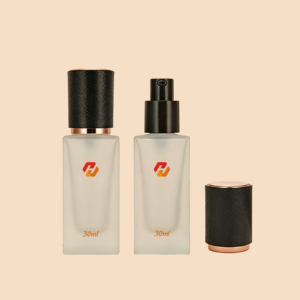
How to Evaluate Cosmetic Packaging Suppliers in China
The distinction between a trading company and a direct manufacturer is critical for your long-term margins and quality consistency. A direct manufacturer, such as those specializing in high-performance cosmetic bottles, will typically hold specific certifications and offer in-house mold-making capabilities.
1. Verify Manufacturing Certifications
Reliable suppliers should provide:
-
ISO 9001: For quality management systems.
-
ISO 14001: For environmental management.
-
GMPC or ISO 22716: While usually for the formula, packaging suppliers following these guidelines demonstrate a higher level of hygiene control.
-
SGS/TUV Audit Reports: Independent third-party factory inspections.
2. Assess Customization Capabilities
The cosmetic market thrives on branding. Your supplier must demonstrate expertise in:
-
Surface Finishing: Silk-screen printing, hot stamping, UV coating, and frosting.
-
Tooling: The ability to create custom molds for proprietary bottle shapes.
-
Color Matching: Precision in Pantone matching for molded plastic components.
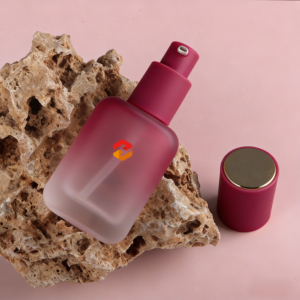
Comparison: Glass vs. Plastic Sourcing for Cosmetics
| Feature | Glass Packaging | Plastic (PET/PP) Packaging |
| Durability | Fragile; requires heavy protective packing | High impact resistance |
| Sustainability | Infinite recyclability; high weight | Recyclable (PCR options); lower carbon footprint in transit |
| Cost | Higher unit price and shipping cost | Cost-effective for mass-market |
| Chemical Stability | Inert; best for high-acid/oil formulas | Variable; requires compatibility testing |
| Lead Times | Often longer due to furnace schedules | Faster production cycles |
The Quality Control (QC) Checklist for Cosmetic Bottles
Quality issues in cosmetic packaging often emerge after the product has been filled. To mitigate risk, your sourcing strategy must include a rigorous sampling and inspection protocol.
Critical Inspection Points:
-
Vacuum Leak Test: Place filled bottles in a vacuum chamber to ensure seals hold under pressure changes (essential for airless pumps).
-
Drop Test: Ensures the secondary and primary packaging protect the product during transit.
-
Coating Adhesion: Use the “Cross-Hatch Tape Test” to ensure printing and UV coatings do not peel.
-
Compatibility Testing: Store your formula in the sample packaging for 4–8 weeks at elevated temperatures to check for leaching or discoloration.
Logistics and Compliance: Navigating the Final Mile
Sourcing from China involves complex logistics. For cosmetic packaging, “Volumetric Weight” often dictates shipping costs more than actual weight, especially for lightweight jars and bottles.
Compliance Standards:
Ensure your supplier can provide FDA or EU 10/2011 compliant material reports if your product is sold in these markets. Even though the packaging isn’t the “food,” it comes into contact with the body, and heavy metal leaching (Lead, Cadmium) is a major compliance risk.
Procurement Workflow: From RFQ to Mass Production
-
Technical Brief: Send a detailed RFQ including material types, neck sizes, decoration requirements, and target MOQ.
-
Sampling (Golden Samples): Request samples from existing molds. If a custom mold is needed, expect a 15–30 day lead time for the prototype.
-
Pre-Shipment Inspection: Hire a third-party inspector (like QIMA or V-Trust) to visit the factory before the final balance is paid.
-
Logistics Strategy: For large volumes, Sea Freight (LCL or FCL) is standard. For high-value, small-batch launches, consider Air Freight or Rail (for EU markets).
When sourcing cosmetic bottles, working with specialized providers like Hyrun allows brands to access diverse inventories—from airless pump bottles to sustainable glass options—while ensuring the technical specs meet international standards.
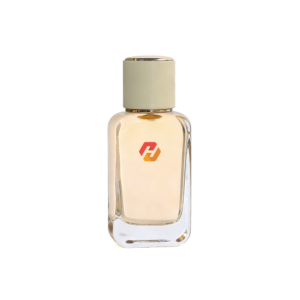
FAQ: Sourcing Cosmetic Packaging from China
What is the typical MOQ for custom cosmetic packaging?
For standard bottles in stock colors, MOQs can be as low as 1,000–3,000 units. For custom colors or private molds, MOQs typically range from 5,000 to 10,000 units depending on the manufacturing process (injection vs. blow molding).
How do I prevent my cosmetic pumps from failing?
Always request a “Prime Count” specification. A high-quality pump should prime (dispense product) within 3–5 strokes. Ensure the dip tube length is customized to the bottle height to avoid product waste.
Are eco-friendly packaging options available in China?
Yes. Many Chinese manufacturers now offer PCR (Post-Consumer Recycled) plastics, bio-based PE, and lightweight glass. Always ask for GRS (Global Recycled Standard) certification to verify eco-claims.
How long does shipping take from China to the US/Europe?
Sea freight typically takes 30–45 days. Air freight takes 5–10 days. Factor in an additional 7–10 days for customs clearance and local trucking.
Reference Sources
-
ISO 22716:2007 – Cosmetics — Good Manufacturing Practices (GMP)
-
SGS Cosmetic Packaging Testing Services – Overview of safety and compatibility protocols
-
U.S. FDA – Packaging & Labeling Guide for Cosmetics