
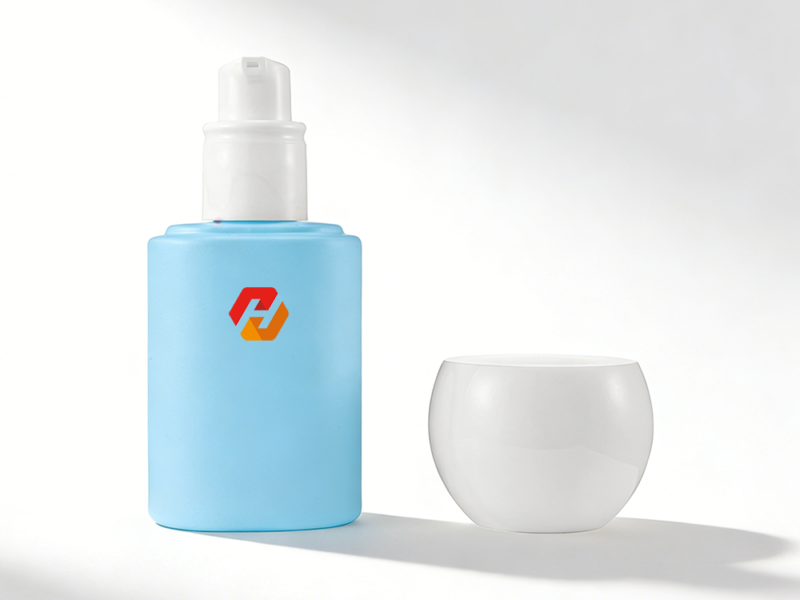
Sourcing the right packaging is critical for cosmetic brand success and product stability. You need containers that protect active ingredients while signaling luxury to your customers. Glass pump bottles offer a superior barrier against oxidation compared to many plastic alternatives. However, choosing between standard pumps and complex airless systems requires technical knowledge. As a procurement specialist, determining the correct specifications ensures product integrity across your supply chain. This guide analyzes essential criteria for selecting the best glass packaging for your specific formulations.
Why Choose Glass Serum Pump Bottles for Active Formulations?
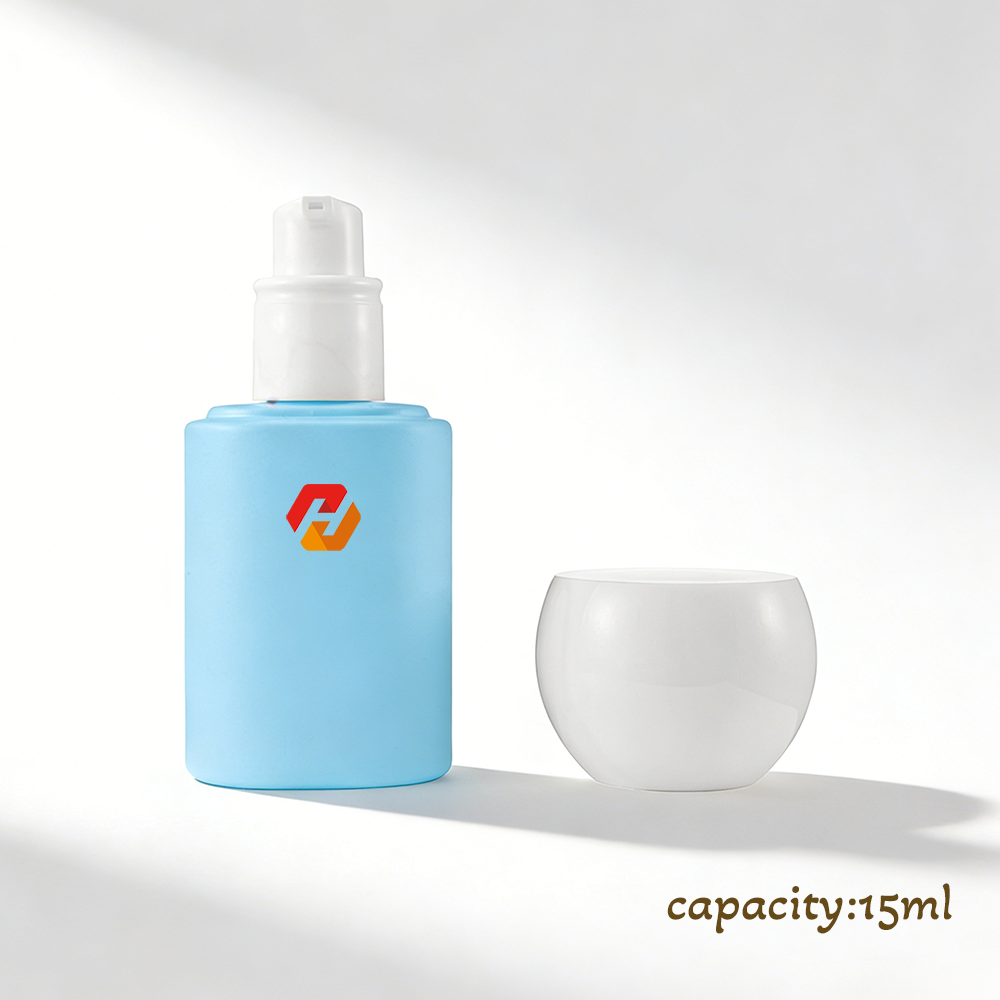
For high-end skincare, packaging material is not just about aesthetics. It is a matter of chemical compatibility. Glass serum pump bottles are chemically inert. This means they do not react with the formula inside.
According to the U.S. Food and Drug Administration (FDA), glass is generally recognized as safe (GRAS) for holding consumables and topicals. This is crucial for serums containing volatile active ingredients like Vitamin C or Retinol. Plastic containers can sometimes leach chemicals or allow gas permeability. Glass provides an impermeable barrier.
We often recommend heavy-wall glass for B2B clients looking to elevate their brand positioning. The physical weight implies value to the consumer. Furthermore, glass can be easily sterilized before filling. This reduces the risk of contamination during the manufacturing process.
Sourcing the 15ml Glass Bottle Pump: Precision and Dosage
The 15ml glass bottle pump is a standard requirement for high-potency treatments. This size is typically used for eye creams, concentrated serums, or spot treatments. When sourcing this specific capacity, you must focus on the pump dosage output.
Standard pumps dispense between 0.2cc and 0.5cc of product per stroke. However, for a 15ml container, a lower dosage is often required to prevent waste. A dosage of 0.1cc to 0.15cc is ideal for concentrated formulas.
You must also verify the neck finish. A common standard for this size is a 20/410 or 18/415 neck. Ensuring your pump matches the bottle neck finish is vital for preventing leakage. Even a millimeter difference in thread design can cause product failure during shipping.
Custom Glass Airless Pump Bottle vs. Standard Dip Tubes
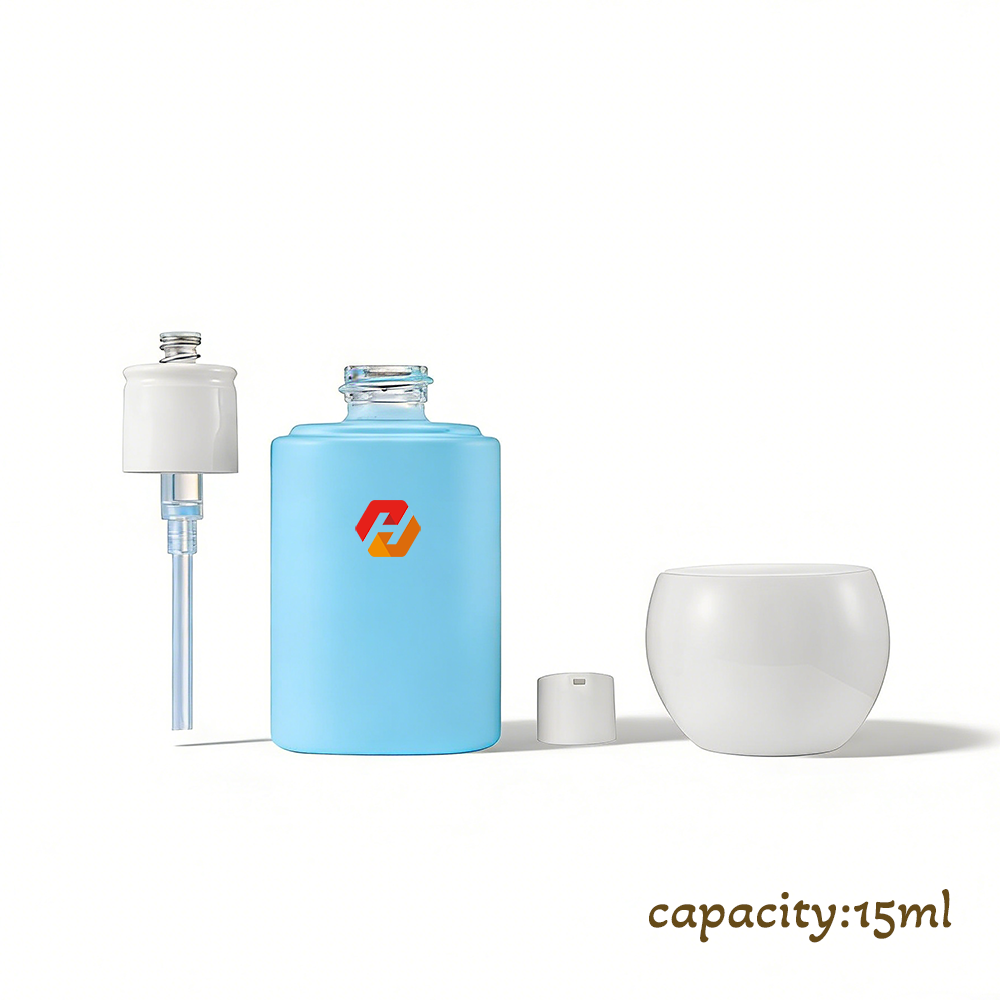
A major decision during your commercial investigation is choosing the dispensing mechanism. You will generally choose between a standard dip tube pump and a custom glass airless pump bottle.
Standard Dip Tube Pumps
These use a plastic tube to draw liquid up. As product is dispensed, air enters the bottle to replace the volume.
- Pros: Lower cost, simple supply chain availability.
- Cons: Air exposure can degrade antioxidants; product waste at the bottom.
Glass Airless Systems
Airless technology is becoming the gold standard for clean beauty. In a glass airless system, a pouch or internal piston collapses as product is used. No external air enters the chamber.
- Pros: Increases shelf life of preservative-free formulas; near 100% product evacuation.
- Cons: Higher manufacturing cost; requires precise filling equipment.
If your formula claims to be “preservative-free” or “organic,” airless technology is virtually mandatory. It protects the integrity of the formulation from the first pump to the last.
Evaluating Glass Quality and Sustainability Standards
Sustainability is a primary driver in B2B packaging procurement today. Glass is infinitely recyclable without loss of quality. The Glass Packaging Institute (GPI) notes that glass is 100% recyclable and can be substituted for up to 95% of raw materials.
When auditing a supplier, inspect the glass clarity and wall distribution. Poor manufacturing results in “seeds” (small bubbles) or uneven bottoms. These defects compromise the structural integrity of the bottle under pressure.
You should also inquire about “PCR” (Post-Consumer Recycled) glass options. Using PCR glass can help your brand meet sustainability goals. However, be aware that high percentages of PCR may slightly alter the clarity of the glass.
How to Validate Your Packaging Supplier
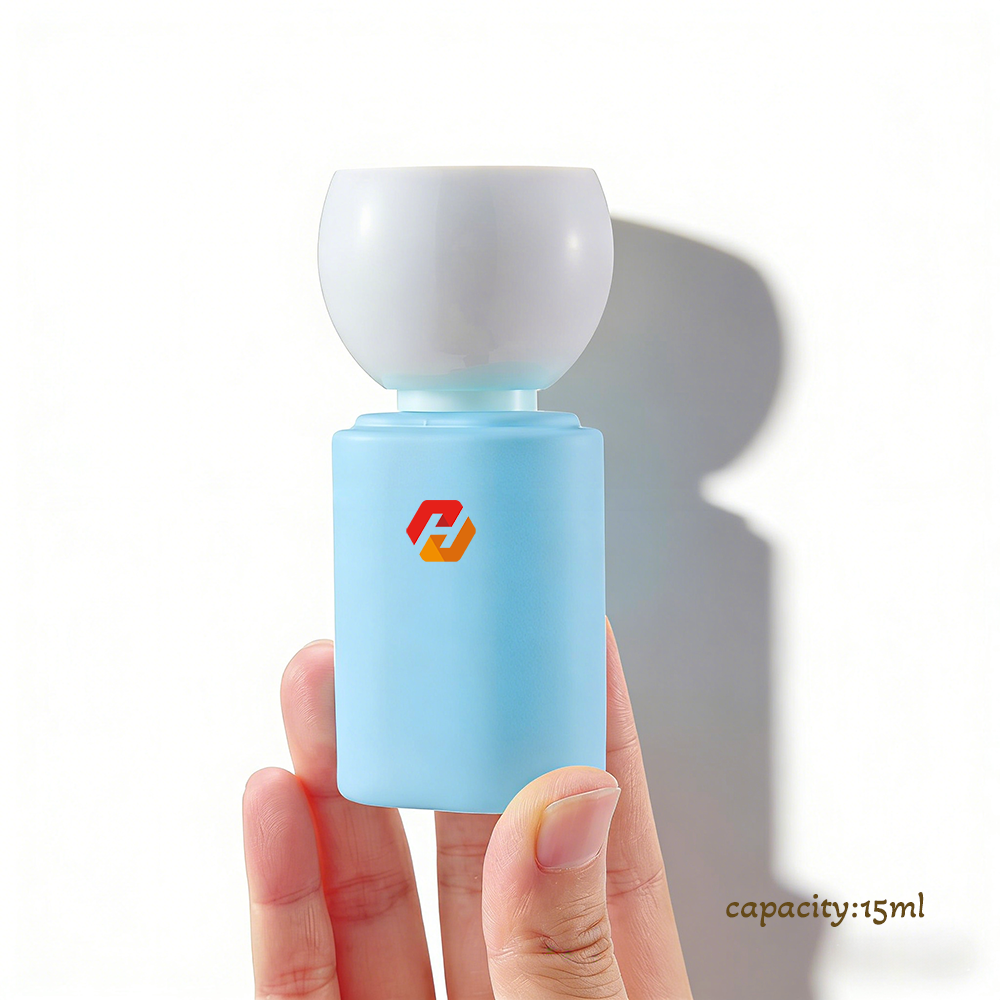
Once you have determined your technical specifications, you must validate the supplier’s capabilities. A reliable B2B partner should offer more than just stock items. They must demonstrate consistency in mold quality and decoration.
Key Selection Criteria:
- Decoration Capabilities: Can they perform silk screening, hot stamping, or spraying directly on the glass?
- Customization: Do they offer custom coloring for the 15ml glass bottle pump to match your brand palette?
- Quality Assurance: Do they perform vacuum tests to ensure the pump does not leak under pressure?
We advise requesting samples to test compatibility with your specific bulk liquid. Viscosity greatly affects pump performance. A pump that works for water may clog with a thick lotion.
If you are currently evaluating high-quality options for sensitive formulations, we suggest examining specific product lines. For example, you can review the technical specifications of Glass Serum Pump Bottles 15ml to see how they meet professional industry standards for airless and dip-tube designs.
Summary
Selecting the right packaging involves balancing chemical compatibility, functionality, and sustainability. Glass pump bottles provide the inert environment necessary for high-value serums. Whether you require a precise 15ml glass bottle pump or a protective custom glass airless pump bottle, your choice defines the user experience. Prioritize suppliers who offer verified leak-proof designs and customizable decoration options to secure your market position.
FAQ
Q: What is the main advantage of a custom glass airless pump bottle over plastic?
A: Glass offers superior chemical resistance and a premium weight, while the airless mechanism prevents oxidation of sensitive ingredients.
Q: Are glass pump bottles recyclable?
A: Yes, the glass bottle itself is 100% recyclable, but the plastic pump mechanism usually needs to be separated before recycling.
Q: Why is the 15ml glass bottle pump popular for serums?
A: The 15ml size is the industry standard for high-concentration, high-value products like eye creams and vitamin serums that require small, precise dosages.
Q: Can I use a standard pump for high-viscosity lotions?
A: It depends on the viscosity; very thick lotions often require a wider dip tube or an airless system to dispense properly without clogging.
Q: How do I test if a glass pump bottle is leak-proof?
A: Manufacturers typically perform a vacuum test where the filled bottle is subjected to negative pressure to ensure no liquid escapes the seal.
Reference Sources
Glass Packaging Institute (GPI) – Glass Recycling Facts