
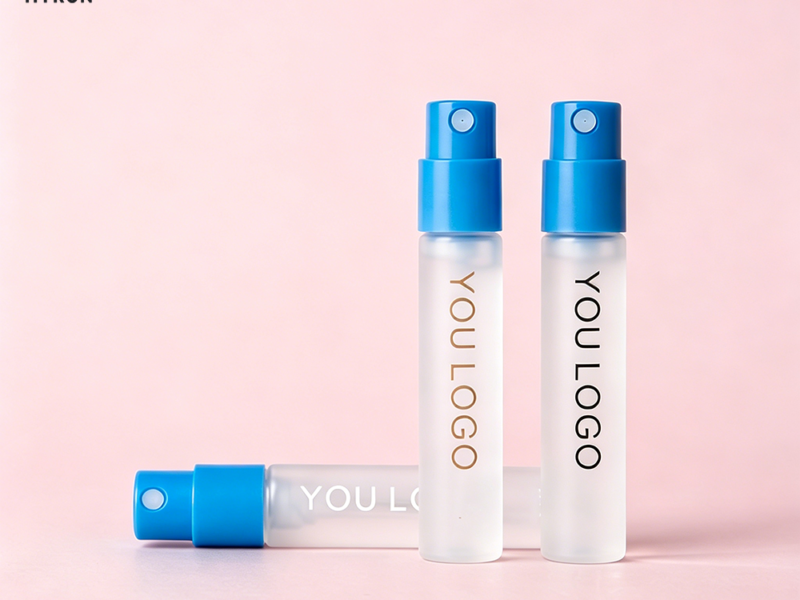
How to Choose the Right Refillable Cosmetic Packaging System for Your Brand
Refillable cosmetic packaging is becoming an important consideration for beauty brands looking to develop more sustainable product lines, improve packaging usability, and create long-term relationships with consumers.
From refillable cosmetic jars and bottles to replaceable inner cartridges and refill pouches, different packaging systems offer different advantages. However, choosing the right solution involves more than selecting a reusable container. Brands must also consider formula compatibility, refill mechanisms, sealing performance, material selection, durability, and manufacturing costs.
A packaging system that works well for one skincare product may not be suitable for another. For example, a thick face cream may require a different dispensing structure from a lightweight facial serum or liquid lotion.
For beauty brands, understanding these differences before sourcing packaging can help reduce development risks and avoid costly changes during mass production.
This guide explains the main types of refillable cosmetic packaging, how they work, which materials to consider, and what to evaluate when selecting a packaging supplier.
What Is Refillable Cosmetic Packaging and How Does It Work?
Refillable cosmetic packaging is designed to allow a cosmetic container or part of its packaging system to be used again after the original product has been consumed.
Instead of replacing the entire package, consumers can replenish the product by inserting a replacement component or refilling the original container.
A typical refillable packaging system may consist of two main parts:
- Reusable outer container: The external packaging designed to provide structure, protection, and the desired appearance.
- Replacement refill: The inner container, cartridge, pouch, or cosmetic product used to replenish the original package.
The exact structure depends on the packaging design.
For example, a refillable cosmetic jar may use a removable inner cup, while a refillable pump bottle may allow direct refilling through its opening or use a replaceable inner component.
Reusable Outer Containers vs. Replacement Refills
The reusable outer container is often designed with durability, appearance, and user experience in mind.
Common materials include glass and selected plastics, depending on the product design and intended use.
Replacement refills may use different materials and structures depending on the filling method, formula, and compatibility requirements.
When developing a refillable packaging system, brands should evaluate both components together rather than selecting an outer container and refill independently.
The connection between the two components is especially important because it affects installation, sealing, dispensing, and overall usability.
Refillable Packaging vs. Recyclable Packaging
Refillable and recyclable packaging are not the same.
| Feature | Refillable Packaging | Recyclable Packaging |
|---|---|---|
| Main purpose | Allows packaging to be used or replenished again | Allows materials to enter an appropriate recycling process |
| Consumer action | Refills or replaces a component | Sorts and disposes of packaging correctly |
| Design priority | Repeated use and refill compatibility | Material recovery and recyclability |
| Key consideration | Durability, sealing, and refill convenience | Material composition and recycling infrastructure |
A package may be refillable, recyclable, both, or neither.
For beauty brands, the most suitable option depends on product requirements, consumer behavior, packaging design, and the recycling or refill infrastructure available in the target market.
What Are the Main Types of Refillable Cosmetic Packaging Systems?
Different refillable cosmetic packaging systems are designed for different product applications and consumer experiences.
Understanding the main structures helps brands narrow down suitable options before requesting samples.
1. Replaceable Inner Cartridge Systems
Replaceable cartridge systems use a reusable outer container with a removable inner component.
When the product is finished, consumers replace the inner cartridge rather than the entire package.
This structure is commonly considered for premium skincare products and selected makeup applications.
Key design considerations:
- Accurate dimensions between the inner cartridge and outer container.
- Secure installation and removal.
- Proper positioning of the refill component.
- Reliable sealing between connected parts.
- Compatibility with the product formula.
The cartridge should fit securely without making replacement unnecessarily difficult.
For brands developing premium packaging, the connection mechanism and user experience should be evaluated together.
2. Refillable Cosmetic Jar Systems
Refillable cosmetic jars are commonly considered for face creams, moisturizers, masks, and other products dispensed from wide-mouth containers.
Depending on the design, a refillable jar may use a removable inner cup or allow the original container to be refilled directly.
A removable inner cup can help separate the product-contact component from the decorative outer container.
Important selection factors include:
- Inner cup dimensions and fitting accuracy.
- Ease of removing and replacing the inner component.
- Compatibility with the cosmetic formula.
- Closure performance.
- Resistance to repeated opening and closing.
- Ease of cleaning, where cleaning is part of the intended refill process.
For brands developing premium skincare lines, glass outer jars and replaceable inner cups may be worth evaluating.
However, the actual suitability depends on the design and materials of the complete packaging system.
3. Refillable Cosmetic Bottle and Pump Systems
Refillable cosmetic bottles are suitable for various liquid and lotion-based products, depending on the dispensing structure.
Common applications include:
- Facial cleansers.
- Body lotions.
- Hand creams.
- Liquid skincare products.
- Personal care formulations.
A refillable pump bottle may use direct refilling or a replaceable inner component.
The pump and bottle should be evaluated as a complete system.
Key considerations include:
- Bottle opening and refill accessibility.
- Pump compatibility.
- Closure and sealing performance.
- Dispensing consistency.
- Formula viscosity.
- Product residue after dispensing.
For example, a lotion with higher viscosity may require a different pump configuration from a lightweight liquid.
Choosing a bottle based only on its appearance or capacity may overlook important dispensing requirements.
4. Refill Pouch Systems
Refill pouches are flexible packaging formats designed to transfer product into a reusable container.
Depending on the design, they may include spouts or other dispensing features.
They can be considered for products such as body wash, hand wash, and certain lotion formulations.
Before choosing this format, brands should evaluate:
- Opening and pouring convenience.
- Compatibility with the receiving container.
- Leakage prevention.
- Pouch material compatibility.
- Filling and sealing requirements.
- Transportation and storage conditions.
The refill pouch and reusable container should be designed to work together.
5. In-Store Refill Systems
In-store refill systems allow consumers to replenish products at designated retail locations.
These systems are different from individual refillable bottles or jars because they involve additional operational requirements.
Brands considering this approach may need to evaluate:
- Dispensing equipment.
- Product storage and handling.
- Cleaning procedures.
- Cross-contamination prevention.
- Refill identification and traceability.
- Retail staff training.
For most beauty brands starting their first refillable packaging project, a simpler bottle, jar, or cartridge-based system may be easier to evaluate and implement.
Which Cosmetic Products Are Suitable for Refillable Packaging?
Not every cosmetic product requires the same refill structure.
The right packaging depends on the formula, dispensing method, expected usage, and intended consumer experience.
Refillable Packaging for Skincare Products
Skincare is one of the most relevant categories for refillable packaging development.
Common applications include:
- Face creams.
- Moisturizers.
- Facial serums.
- Body lotions.
- Cleansers.
- Selected skincare treatments.
For cream-based products, refillable jars with removable inner cups may be worth considering.
For liquid skincare products, refillable bottles or suitable pump systems may offer more convenient dispensing.
For formulas that require additional protection from air exposure, brands may also evaluate compatible airless packaging structures.
Refillable Packaging for Makeup Products
Selected makeup products can also be developed with replaceable or refillable components.
Examples include certain foundation containers, powder compacts, and other products with removable inner components.
However, makeup packaging often requires more specialized structural design.
Brands should consider:
- Product format.
- Component dimensions.
- Refill installation.
- Product protection.
- Decoration durability.
- Consumer handling.
Not every makeup container is designed for repeated refilling, so the intended refill mechanism should be confirmed before development.
Refillable Packaging for Personal Care Products
Personal care products such as hand wash, body wash, and body lotion may also be suitable for refillable bottles or refill pouch systems.
For these applications, the most important factors often include:
- Bottle capacity.
- Dispensing convenience.
- Formula viscosity.
- Closure performance.
- Refill accessibility.
The best system is the one that matches the product’s actual usage and dispensing requirements.
How to Match the Refill System to the Product Formula
Before choosing packaging, brands should provide suppliers with relevant formula information.
| Formula Characteristic | Packaging Consideration |
|---|---|
| Low-viscosity liquid | Bottle opening, pump output, and leakage control |
| Thick cream | Dispensing accessibility and product residue |
| Air-sensitive formula | Suitable protection and closure design |
| Water-based formulation | Material compatibility and sealing |
| Oil-based formulation | Compatibility of product-contact materials and seals |
These are initial selection considerations, not substitutes for compatibility testing.
The final packaging should be evaluated using the actual cosmetic formulation under appropriate storage and usage conditions.
How to Choose Materials for Refillable Cosmetic Packaging
Material selection influences packaging durability, appearance, weight, compatibility, and overall cost.
For refillable systems, it is especially important to consider the reusable outer container and replacement refill separately.
Glass for Reusable Cosmetic Containers
Glass is commonly used for premium cosmetic jars and bottles.
Potential advantages include:
- Premium appearance.
- Good rigidity.
- Compatibility with many cosmetic packaging applications, subject to testing.
- Reusability when the design and handling conditions support it.
However, glass containers are heavier and may be more vulnerable to breakage during transportation and handling.
Brands should consider wall thickness, container weight, closure compatibility, and transportation protection.
PP, PET and PE Plastic Components
Different plastic materials can be used for cosmetic packaging depending on the product structure and application.
Polypropylene (PP)
PP is used in various cosmetic packaging components, including jars, closures, and selected refill components.
Its suitability depends on the specific formula, manufacturing process, and design requirements.
Polyethylene Terephthalate (PET)
PET is commonly used in cosmetic bottles because of its appearance, rigidity, and suitability for various packaging applications.
Polyethylene (PE)
PE is used in different bottle, tube, and flexible packaging applications.
For refillable packaging, the selected material should be evaluated according to the intended number of uses, formula compatibility, and structural requirements.
PCR Materials and Refill Packaging
Post-consumer recycled (PCR) materials are another consideration for brands developing packaging with recycled content.
However, not every PCR material is automatically suitable for every cosmetic application.
Brands should confirm:
- Material composition.
- Available recycled content.
- Appearance consistency.
- Mechanical properties.
- Formula compatibility.
- Applicable documentation.
Material selection should be based on actual supplier specifications rather than general sustainability claims.
Balancing Durability, Appearance and Packaging Cost
Refillable packaging often requires a different balance between outer-container quality and refill-component cost.
The reusable outer container may need to provide sufficient durability and visual appeal, while replacement components may prioritize functional performance and efficient material use.
Brands should evaluate the entire packaging system instead of comparing only the unit price of the outer bottle or jar.
What Should Brands Check Before Choosing a Refillable Cosmetic Packaging System?
A refillable packaging system must perform reliably during both initial use and subsequent refill operations.
Several technical details deserve attention before approving a design.
1. Refill Interface and Component Compatibility
The refill interface connects the reusable container with its replacement component.
It can influence installation, removal, alignment, and sealing.
Important points include:
- Neck finish and thread specifications.
- Inner container dimensions.
- Component alignment.
- Snap-fit or locking structures.
- Installation and removal force.
- Compatibility between different components.
Brands should confirm that all relevant components are designed to fit together.
A refill component should not be approved based on external dimensions alone.
2. Leakage Prevention and Sealing Performance
Leakage can affect product quality, transportation safety, and consumer experience.
The following elements should be evaluated:
- Closure fit.
- Seal design.
- Bottle and pump connection.
- Refill interface.
- Compatibility with the intended filling process.
Leakage testing should consider the actual product, packaging configuration, and transportation conditions.
A package that performs well during a simple upright storage test may behave differently during shipping or repeated consumer use.
3. Dispensing Performance and Pump Compatibility
For pump-based packaging, dispensing performance is a critical part of the user experience.
Brands should evaluate:
- Pump compatibility with the bottle.
- Dispensing volume.
- Actuation consistency.
- Product residue.
- Pump operation after repeated use.
Formula viscosity and product characteristics should be considered during pump selection.
The pump should be tested with the actual formulation whenever possible.
4. Hygiene and Formula Protection
Hygiene is an important consideration in refillable cosmetic packaging.
The refill process may expose the product to air, handling, or contact with external surfaces.
Brands should consider:
- Whether the product-contact component can be replaced.
- Whether the refill opening is sufficiently accessible.
- How the refill process is performed.
- Whether cleaning is required.
- How contamination risks can be minimized.
For products with specific preservation or hygiene requirements, packaging selection should involve the formulation and quality teams.
Refillable packaging should not automatically be assumed to provide the same protection as a sealed, single-use container.
5. Durability During Repeated Use
Unlike conventional single-use packaging, refillable systems are expected to undergo additional handling.
Relevant evaluation areas include:
- Repeated opening and closing.
- Repeated installation and removal.
- Thread and locking performance.
- Closure durability.
- Surface and decoration durability.
- Leakage performance after repeated use.
The required test cycles should be defined according to the product design and intended usage.
Brands should agree on acceptance criteria with their packaging supplier before mass production.
How to Evaluate Samples Before Mass Production
Sample evaluation is an essential step in refillable cosmetic packaging development.
A sample that looks attractive may still have structural or functional problems.
Before approving mass production, brands should evaluate the complete packaging system.
Step 1: Check Refill Installation and Removal
Test whether the replacement component can be installed and removed as intended.
Check:
- Component alignment.
- Installation effort.
- Removal convenience.
- Fit consistency.
- Potential damage during handling.
Step 2: Test Closure and Leakage Performance
Evaluate the container under appropriate storage and transportation conditions.
Consider:
- Upright storage.
- Sideways storage.
- Inverted storage, where applicable.
- Transportation simulation.
- Repeated opening and closing.
The testing method should reflect the intended product and packaging configuration.
Step 3: Evaluate Pump and Dispensing Functionality
For pump packaging, test the actual cosmetic formula where possible.
Review:
- Priming performance.
- Dispensing consistency.
- Pump operation.
- Product residue.
- Performance after repeated dispensing.
Step 4: Conduct Formula Compatibility Testing
A packaging material that performs well with one formula may not be suitable for another.
Compatibility evaluation should consider the product formulation, contact materials, storage conditions, and expected shelf life.
Potential observations include:
- Changes in color or odor.
- Material deformation.
- Leakage.
- Changes in product appearance.
- Changes in dispensing performance.
The testing program should be established with the formulation and quality teams.
Step 5: Review Appearance and Decoration Durability
For premium beauty packaging, visual quality is also important.
Check:
- Color consistency.
- Printing quality.
- Coating adhesion.
- Surface scratches.
- Logo appearance.
- Assembly consistency.
If the outer container is intended for repeated use, decoration durability deserves particular attention.
Step 6: Approve Specifications Before Mass Production
Once samples pass the agreed evaluation criteria, brands should confirm the final specifications.
These should include:
- Packaging dimensions.
- Material specifications.
- Capacity.
- Refill components.
- Pump and closure configuration.
- Decoration requirements.
- Inspection criteria.
- Approved reference samples.
Clear specifications help reduce misunderstandings between brands and packaging manufacturers.
What Affects the Cost and MOQ of Refillable Cosmetic Packaging?
The cost of refillable cosmetic packaging depends on the complete system, not just the external container.
A refillable design may involve additional components, more complicated assembly, and customized structural requirements.
Understanding the main cost factors helps procurement teams prepare more accurate project budgets.
1. Packaging Structure and Component Costs
The number and complexity of components can influence manufacturing costs.
For example, a simple refillable bottle may require fewer parts than a system consisting of an outer jar, removable inner cup, and specialized closure.
2. Material Selection and Decoration Costs
Glass, PP, PET, and PE have different material and manufacturing characteristics.
Decoration methods such as screen printing, hot stamping, coating, and custom coloring may also affect the final cost.
3. Tooling and Customization Requirements
Custom dimensions, specialized refill interfaces, and unique component designs may require additional tooling or development work.
Brands should distinguish between standard packaging options and fully customized solutions.
4. MOQ, Sampling and Lead Time
MOQ and lead time depend on several factors, including:
- Product structure.
- Material selection.
- Existing tooling.
- Customization requirements.
- Production scheduling.
- Component sourcing.
It is advisable to confirm these details early rather than waiting until the final design stage.
5. Evaluating Total Packaging Cost Across Refill Cycles
When evaluating refillable packaging, brands should consider the cost of the complete packaging system across its intended usage cycles.
A useful comparison includes:
- Initial packaging cost.
- Replacement refill cost.
- Additional components.
- Filling and assembly requirements.
- Transportation and storage.
- Expected reuse behavior.
A lower-cost refill component does not automatically mean the overall system is more economical.
The final evaluation should reflect realistic consumer usage and the actual supply chain.
How to Choose a Reliable Refillable Cosmetic Packaging Supplier
Choosing the right supplier is as important as selecting the packaging structure.
For brands developing refillable cosmetic packaging, a supplier should be able to help clarify product requirements, component compatibility, specifications, and manufacturing feasibility.
1. Evaluate Product and Structural Capabilities
Check whether the supplier can provide packaging that matches your intended application.
Ask for:
- Product specifications.
- Material information.
- Available capacities.
- Component drawings.
- Refill mechanism details.
- Relevant product samples.
Do not assume that a supplier offering conventional cosmetic bottles automatically offers complete refillable systems.
2. Check Material and Formula Compatibility Support
Discuss your cosmetic formula and intended packaging application with the supplier.
Ask whether relevant material information and compatibility documentation are available.
For specialized formulations, involve your product development and quality teams.
3. Review Quality Control and Testing Procedures
A reliable supplier should be able to explain its quality inspection procedures and relevant testing capabilities.
Depending on the packaging design, these may include:
- Dimensional inspection.
- Visual inspection.
- Leakage testing.
- Pump performance testing.
- Assembly checks.
- Decoration inspection.
Ask for actual test procedures and records where relevant.
4. Confirm Customization and Sampling Processes
If your project requires custom packaging, clarify the development process before placing an order.
Questions to ask include:
- Can existing packaging structures be customized?
- Are custom colors and logo printing available?
- Is tooling required?
- What sample options are available?
- How are design changes handled?
- What is the expected sample development timeline?
5. Compare MOQ, Pricing and Delivery Requirements
A supplier comparison should consider more than the quoted unit price.
Review the complete quotation, including:
- Product and component costs.
- Decoration charges.
- Tooling costs.
- MOQ.
- Sampling fees.
- Lead time.
- Packaging and shipping arrangements.
A clear quotation makes it easier to compare different packaging solutions.
Frequently Asked Questions About Refillable Cosmetic Packaging
What Is the Difference Between Refillable and Reusable Cosmetic Packaging?
Reusable packaging refers to containers designed for repeated use, while refillable packaging specifically allows the product to be replenished through direct refilling or replacement components.
A refillable cosmetic package is generally reusable, but not every reusable container has a dedicated refill mechanism.
Are Refillable Cosmetic Bottles Better Than Traditional Bottles?
The answer depends on the packaging design, product requirements, consumer behavior, and supply chain.
Refillable bottles may offer advantages when the container can be used repeatedly and replacement refills are convenient and compatible.
However, brands should also consider cleaning, hygiene, durability, logistics, and the environmental impact of the complete system.
Which Cosmetic Packaging Types Can Be Refilled?
Depending on their design, cosmetic jars, bottles, pump bottles, airless containers, and selected makeup packages can be developed with refillable structures.
Not every product in these categories is refillable. The actual refill mechanism must be confirmed.
Is Refillable Airless Packaging Suitable for Skincare Products?
Refillable airless packaging may be suitable for certain skincare formulas, particularly when controlled dispensing and reduced direct exposure are important.
However, the refill structure, replacement component, pump compatibility, and formula requirements must be evaluated together.
How Do You Prevent Contamination in Refillable Cosmetic Packaging?
Contamination risks can be reduced through suitable packaging design, appropriate refill procedures, compatible product-contact materials, and controlled handling.
For products with specific hygiene requirements, brands should evaluate whether a replaceable sealed inner component is more appropriate than directly refilling the original container.
What Materials Are Used for Refillable Cosmetic Containers?
Common materials include glass, PP, PET, and PE, depending on the packaging component and application.
The most appropriate material depends on formula compatibility, structural requirements, durability, appearance, and cost.
What Should Brands Ask Before Ordering Refillable Packaging?
Before placing an order, brands should confirm:
- What refill mechanism does the packaging use?
- Are the outer container and refill components compatible?
- What materials are used?
- Can the packaging be tested with the actual formula?
- What quality checks are performed?
- What are the MOQ and lead time?
- Are samples and customization options available?
Providing clear product requirements helps suppliers recommend more suitable packaging solutions.
Conclusion: Choose a Refillable Packaging System That Fits Your Product
Choosing refillable cosmetic packaging requires more than selecting a bottle or jar that can be filled again.
Brands need to consider the complete packaging system, including refill mechanisms, component compatibility, material selection, dispensing performance, sealing, and repeated-use requirements.
A well-planned selection and testing process can help reduce development risks and create a better experience for both brands and consumers.
At Hyrun Packaging, we understand that cosmetic packaging requirements vary across product categories, formulas, and brand positioning.
Whether you are exploring refillable cosmetic bottles or evaluating customized packaging options, starting with clear product specifications is the best way to identify a suitable solution.
Looking for cosmetic packaging for your next product development project?
Explore Hyrun’s Refillable Bottles or contact our team to discuss your packaging requirements.