
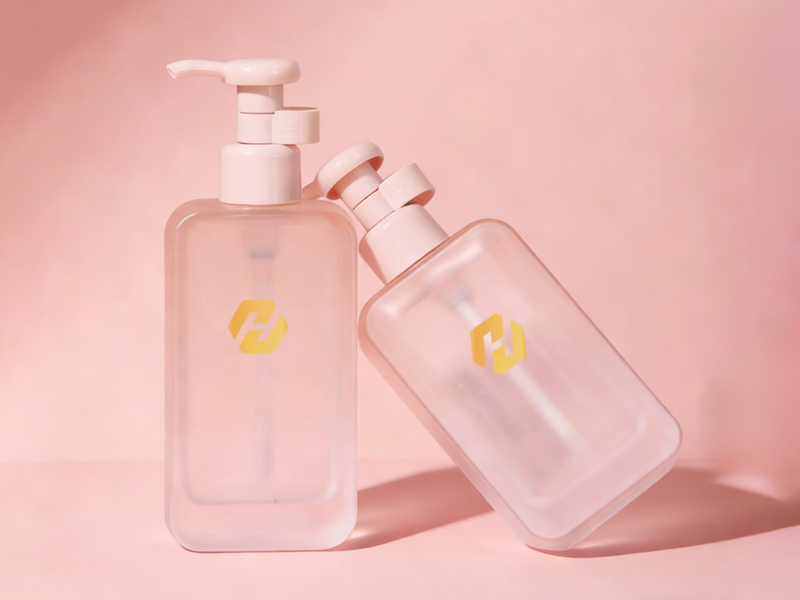
The selection of a shampoo bottle manufacturer is a decision that dictates not only your product’s shelf appeal but its functional integrity and long-term profit margins. In the personal care industry, packaging is rarely just a container; it is an engineered component that must withstand chemical formulations, survive high-moisture environments, and provide a seamless dispensing experience for the end consumer.
For procurement managers and brand owners, the transition from a concept to a mass-produced product involves navigating complex manufacturing variables. Choosing the wrong partner often leads to issues such as environmental stress cracking, incompatible neck finishes, or supply chain bottlenecks that can derail a product launch.
Material Engineering: Beyond Aesthetic Appeal
The first technical hurdle in choosing a shampoo bottle manufacturer is ensuring they possess deep expertise in polymer selection. Shampoo formulations often contain surfactants, oils, and fragrances that can interact with certain plastics.
Polyethylene Terephthalate (PET)
PET is the industry standard for premium hair care. It offers glass-like transparency, which is essential for showcasing the color and texture of the product. Manufacturers using PET must ensure high IV (Intrinsic Viscosity) levels to prevent the bottle from becoming brittle.
High-Density Polyethylene (HDPE)
For products requiring a “squeezable” feel or a matte finish, HDPE is the superior choice. It provides excellent chemical resistance and is particularly effective for formulas with high oil content. When evaluating a manufacturer, ask about their ability to produce multi-layer HDPE bottles if your formula is sensitive to oxygen or light.
Sustainable Options (PCR)
Modern manufacturers must support Post-Consumer Recycled (PCR) resins. A capable partner can integrate 30% to 100% PCR without compromising the structural integrity or significantly altering the color profile of the bottle.
Precision in Molding: EBM vs. IBM
Understanding a manufacturer’s technical infrastructure is critical. Most shampoo bottles are produced via one of two primary methods:
Extrusion Blow Molding (EBM): Ideal for HDPE bottles. This process allows for complex shapes and integrated handles but requires a manufacturer with tight control over “flash” removal and wall thickness distribution.
Injection Blow Molding (IBM): Best for PET. This provides superior finish on the neck threads, ensuring a leak-proof seal with pumps and disc caps.
A high-tier manufacturer will provide technical drawings (CAD) and 3D-printed prototypes before moving to mass production. This stage is vital for testing the “gram weight” of the bottle—balancing material savings with the necessary top-load strength to prevent collapsing during palletization.
Essential Evaluation Criteria for B2B Procurement
When auditing a potential shampoo bottle manufacturer, your checklist should move beyond unit price. Focus on these four pillars of industrial reliability:
| Feature | Requirement | Impact on Brand |
| Neck Finish Precision | Tolerance of ±0.15mm on 24/410 or 28/410 finishes | Prevents leakage and ensures pump compatibility. |
| Material Purity | 100% Virgin or Certified PCR resins | Ensures no chemical leaching into the shampoo formula. |
| Decorating Capabilities | In-house silk screening, hot stamping, or labeling | Reduces lead times and minimizes logistics risks. |
| Quality Control | Vacuum leakage testing and drop testing | Reduces the rate of RMAs (Return Merchandise Authorizations). |
Customization and Tooling Flexibility
Standard “stock” bottles are cost-effective for startups, but established brands require custom molds to maintain a unique market identity. A professional shampoo bottle manufacturer should offer:
Private Mold Development: The ability to engineer proprietary shapes that reflect brand DNA.
Color Matching: Precise Pantone matching using high-quality masterbatches to ensure consistency across different production batches.
Closure Compatibility: Ensuring the bottle neck perfectly matches various dispensing systems, such as lotion pumps, flip-top caps, or trigger sprayers.
At Hyrun Packaging, the focus is on providing a comprehensive range of shampoo and conditioner bottles that bridge the gap between high-end design and manufacturing feasibility. Their capabilities include various capacities—from travel-size 30ml containers to professional-grade 1000ml salon bottles—using materials like PET and HDPE that meet international safety standards.
Navigating the Manufacturing Workflow
The procurement process with a top-tier manufacturer typically follows a structured engineering workflow:
Technical Consultation: Reviewing the formula’s viscosity and chemical compatibility with specific plastics.
Sampling and Compatibility Testing: Providing “naked” samples for the brand to conduct stability tests (usually 4–8 weeks at elevated temperatures).
Pilot Tooling: Creating a single-cavity mold to verify the physical dimensions and ergonomics.
Mass Production: Transitioning to multi-cavity molds for high-volume efficiency.
Quality Assurance: Implementing AQL (Acceptable Quality Level) standards during the packing process.
Compliance and Certifications
In the global market, “low cost” often hides the risk of non-compliance. Ensure your shampoo bottle manufacturer adheres to:
ISO 9001:2015: For consistent quality management systems.
FDA/EU Food Grade Compliance: Even for hair care, using food-grade materials ensures the absence of heavy metals and BPA.
REACH/RoHS: Critical for brands exporting to European markets.
Choosing a manufacturer is a long-term investment. By prioritizing technical expertise, material science, and rigorous quality protocols, you ensure that your packaging enhances the user experience rather than detracting from it.
FAQ: Professional Sourcing Guidance
What is the typical Minimum Order Quantity (MOQ) for custom shampoo bottles?
For standard stock bottles in common colors (clear or white), MOQs often start at 5,000 to 10,000 units. For custom-colored bottles or private molds, manufacturers generally require 20,000 to 50,000 units to offset the setup costs of the blow molding machinery.
How do I prevent “panelling” in my shampoo bottles?
Panelling occurs when the internal pressure of a bottle drops, causing the walls to collapse inward. This is common in formulas that “breathe” or absorb oxygen. A skilled manufacturer solves this by adjusting the gram weight (wall thickness) or using fluorination treatments to create a chemical barrier.
What is the lead time for a new bottle design?
New mold development usually takes 25 to 35 days for the tooling phase. Once the mold is approved, mass production typically requires another 20 to 30 days, depending on the complexity of the secondary decorations like silk screening.
Can I use the same manufacturer for both bottles and pumps?
It is highly recommended. Using a single-source supplier for the “system” (bottle + closure) ensures that the neck finish and the dip tube length are perfectly calibrated, eliminating the risk of mechanical failure or leakage.
What testing should I request from the manufacturer?
At a minimum, request a Vacuum Leakage Test report and a Weight Consistency report. For larger bottles, a Top-Load Strength test is essential to ensure the packaging won’t crush when stacked in a warehouse.
Reference Sources
ASTM D2561: Standard Test Method for Environmental Stress-Crack Resistance of Blow-Molded Polyethylene Containers.
ISBT (International Society of Beverage Technologists): Guidelines for PET bottle technical specifications and finishes.
RecyClass: Technical protocols for plastic packaging recyclability (essential for PCR integration).
ISO 15378: Particular requirements for the application of ISO 9001:2015, with reference to Good Manufacturing Practice (GMP) for packaging materials.