
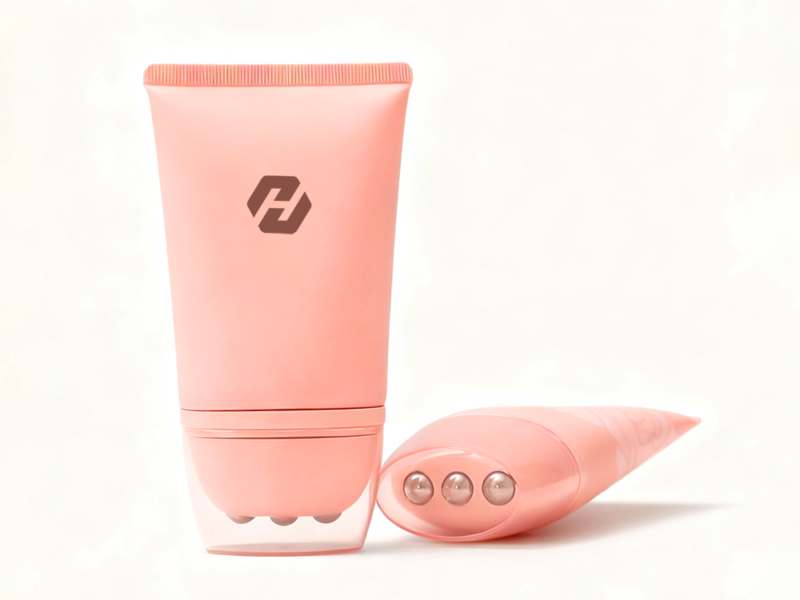
As a procurement specialist or brand owner, you understand that packaging defines the first interaction with your consumer. Selecting the right body lotion bottle is not just about aesthetics; it is a complex decision involving chemical compatibility, dispensing functionality, and supply chain reliability. I have seen many brands fail because they prioritized shape over shelf-stability or pump performance. This guide helps you navigate the technical specifications required for selecting high-quality packaging for B2B applications.
Selecting the Right Material: PET, HDPE, and Compatibility
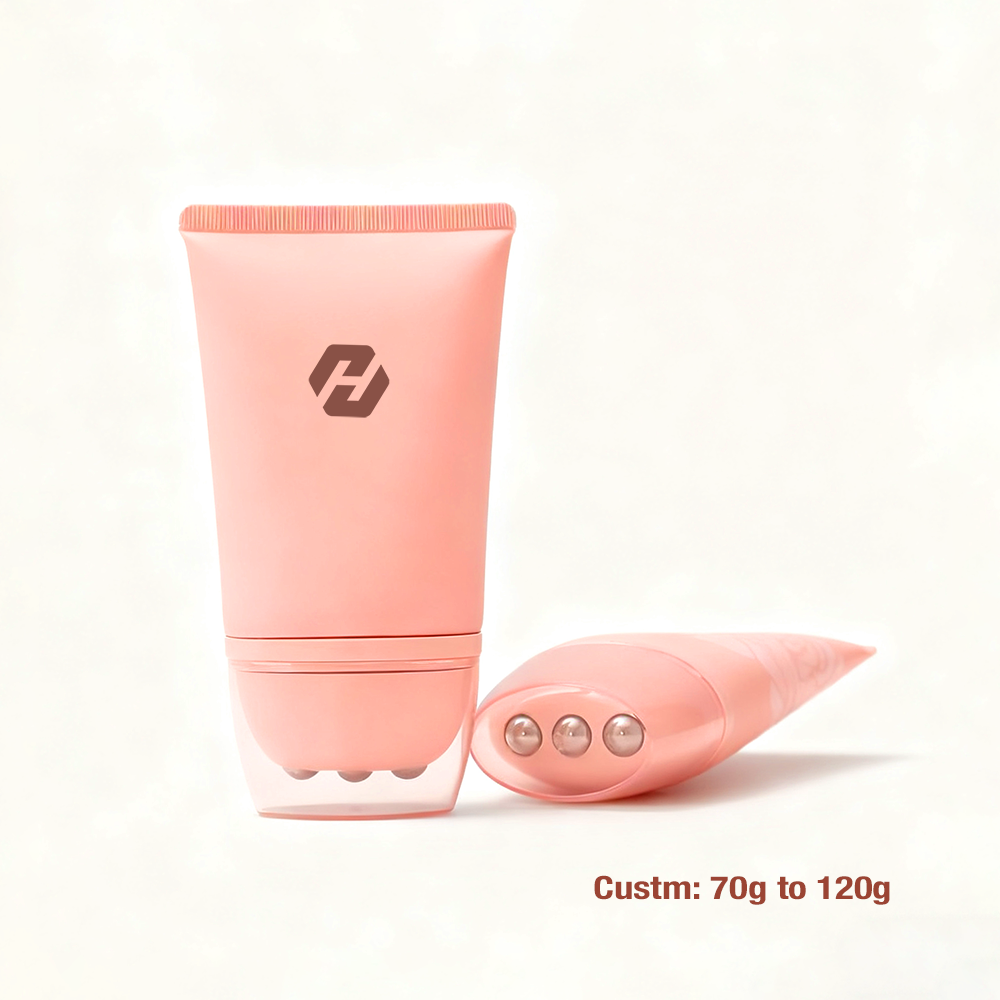
The choice of resin is the most critical decision when sourcing a body lotion bottle. Your formula’s ingredients dictate which plastic is safe to use. According to ISO 11469 standards for generic identification of plastics, you must verify the material properties before approving a mold.
Polyethylene Terephthalate (PET) is the industry standard for brands requiring transparency. It mimics the clarity of glass but offers the shatter resistance of plastic. If your lotion has a unique color or texture, PET allows the consumer to see it. However, PET has lower heat resistance compared to other plastics.
High-Density Polyethylene (HDPE) provides a matte finish and superior chemical resistance. It is often the preferred choice for body lotion bottle manufacturers creating products for clinical or organic skincare lines. HDPE barriers effectively protect active ingredients from UV light and oxygen degradation.
Glass remains a premium option for high-end luxury lines. While it offers the best chemical inertness, it significantly increases shipping weights and breakage risks. You must weigh the premium feel against the logistics costs.
Evaluating Pump Mechanisms for Viscous Formulations
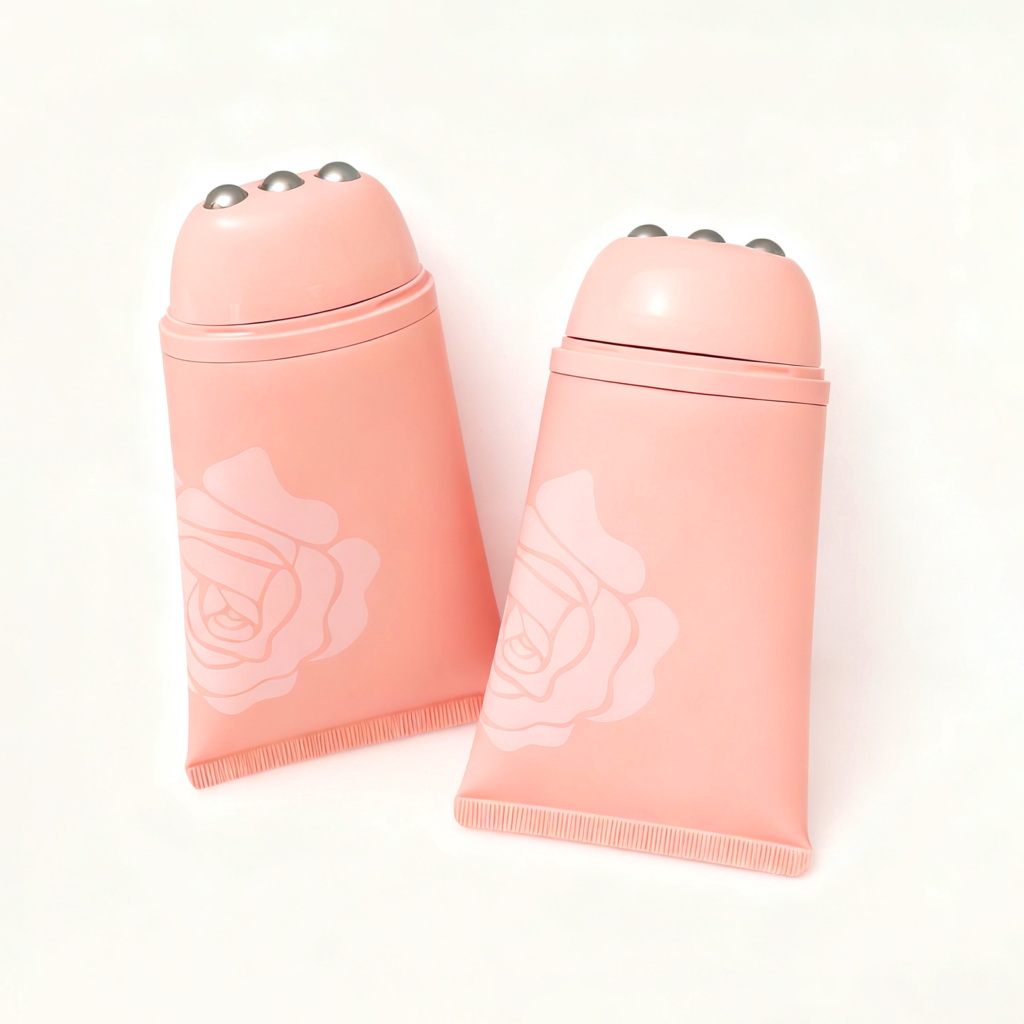
A body lotion bottle with pump wholesaler will offer various output options, usually ranging from 0.5cc to 4.0cc per stroke. The viscosity of your lotion determines the necessary pump engine.
Standard lotion pumps utilize a metal spring mechanism. However, modern sustainability standards are pushing for mono-material designs. The Association of Plastic Recyclers (APR) highlights that metal springs can contaminate recycling streams if not separated.
You should test the following pump features:
- Actuator Lock: Does it use a clip, a twist-lock, or a hood? This prevents leakage during shipping.
- Dip Tube Length: A tube that is too short increases product waste. It must be cut precisely to the bottle’s shoulder height.
- Output Consistency: Does the pump dispense the exact same amount (e.g., 2cc) every time?
- Viscosity Handling: Thicker body butters require wider dip tubes and stronger spring returns to prevent clogging.
Sourcing Strategies: From 20g Samples to Bulk Production
Scalability is a major challenge for growing beauty brands. You might need a 20g body lotion bottle for a promotional sampler or travel set, alongside your standard 250ml or 500ml retail sizes.
Most manufacturers have high Minimum Order Quantities (MOQ) for custom colors. However, finding a supplier who stocks common sizes allows you to test the market with lower risk. A 20g body lotion bottle is particularly useful for “gift with purchase” strategies.
When vetting manufacturers, ask about their decoration capabilities. Can they perform silk screening or hot stamping in-house? Reducing the number of third-party vendors decreases the risk of scratches and delays.
How to Audit Packaging Suppliers for Quality
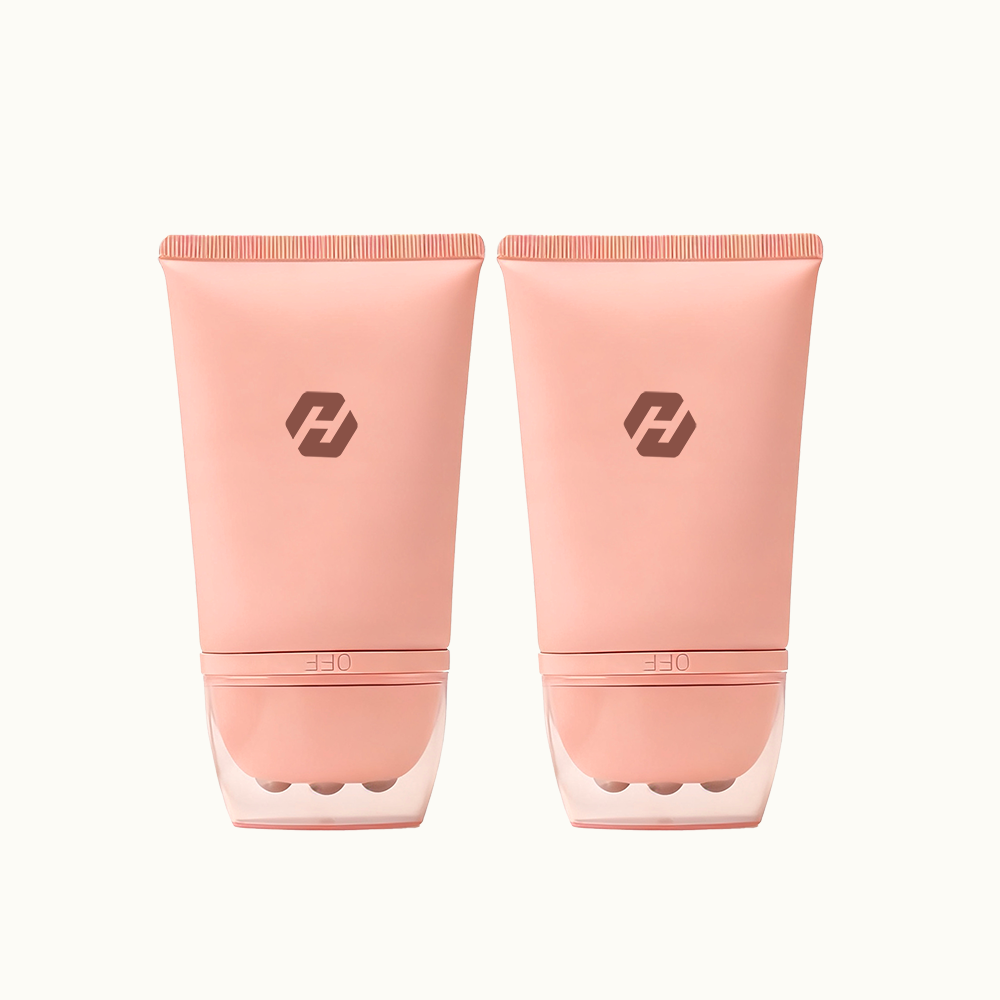
Choosing a partner goes beyond comparing price sheets. You need a supplier who understands the technical nuances of cosmetic packaging.
Key Evaluation Criteria:
- Mold Ownership: Does the supplier have private molds, or do they rely on public molds? Private molds, like those found at Hyrunpkg, offer unique shapes that prevent your brand from looking generic.
- Quality Control (QC): Ask for their vacuum leakage test protocols. A reliable supplier should have a standardized acceptable quality limit (AQL).
- Sustainability Options: Do they offer PCR (Post-Consumer Recycled) content?
- Decoration Flexibility: Ensure they can handle your specific branding requirements on different bottle sizes.
I recommend evaluating the body lotion bottles wholesale options at Hyrunpkg to understand how professional manufacturing can elevate your product line. Their range demonstrates the balance between structural integrity and aesthetic design required for successful B2B procurement.
Summary
Selecting the correct body lotion bottle involves validating resin compatibility, pump mechanics, and supplier capabilities. Whether you need a standard HDPE container or a specialized 20g body lotion bottle for sampling, technical diligence is mandatory. Prioritize manufacturers who offer rigorous QC and customization to ensure your product succeeds in a competitive market.
FAQ
Q: What is the best material for a body lotion bottle?
A: PET is best for transparency and shelf appeal, while HDPE is superior for chemical resistance and durability.
Q: Why is pump output important for body lotions?
A: High-viscosity lotions require pumps with higher output (2cc–4cc) and wider dip tubes to prevent clogging and ensure a good user experience.
Q: What is the typical MOQ for custom body lotion bottles?
A: Custom colors or shapes usually require an MOQ of 10,000 units, but stock items may be available in lower quantities.
Q: Can I use a 20g bottle for retail sales?
A: Yes, a 20g body lotion bottle is excellent for travel-size retail products, sample kits, or promotional gifts.
Q: Are lotion pumps recyclable?
A: Standard pumps with metal springs are difficult to recycle; look for mono-material pumps to meet strict sustainability guidelines.
Reference Sources
The Association of Plastic Recyclers (APR) – APR Design® Guide for Plastics Recyclability
https://plasticsrecycling.org/
U.S. Food and Drug Administration (FDA) – Cosmetics Packaging & Labeling
https://www.fda.gov/cosmetics/cosmetics-labeling-regulations