
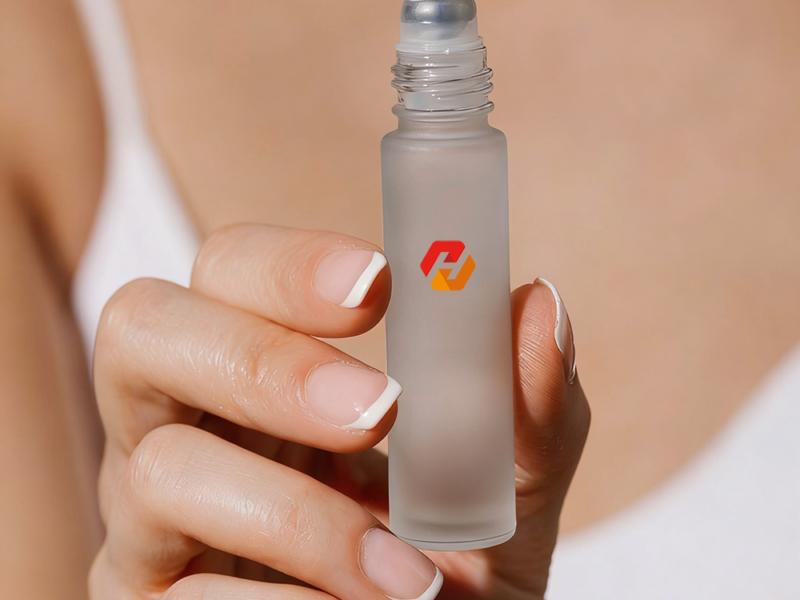
Choosing the right essential oil bottle is a critical step for any aromatherapy enthusiast or business owner. Essential oils are volatile organic compounds that react easily to light, heat, and oxygen. Without proper storage, these precious liquids can lose their therapeutic properties and aromatic profile. Selecting high-quality containers ensures that your investment remains effective for a longer duration.
The primary function of an essential oil bottle is protection. Manufacturers typically use specific glass types to block harmful ultraviolet (UV) rays. These rays can trigger chemical reactions that degrade the oil’s molecular structure. Understanding the different options available allows you to make informed decisions for storage and distribution.
What Are the Most Common Types of Essential Oil Bottles?
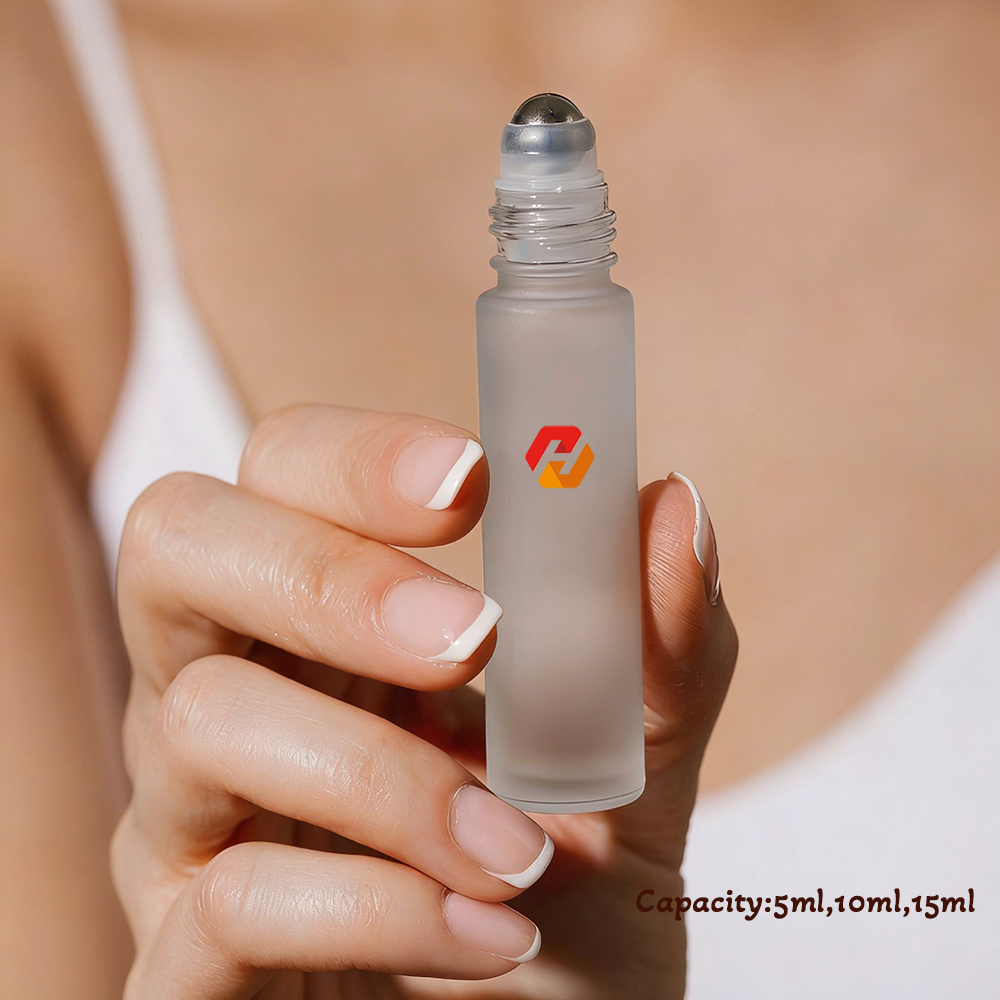
The market offers several varieties of the essential oil bottle, each designed for specific use cases. Amber glass is the most popular choice among professionals. Research suggests that amber glass filters out approximately 99% of UV radiation. This makes it the gold standard for long-term storage of sensitive oils like citrus or frankincense.
Cobalt blue glass is another frequent option. While visually appealing, blue glass provides less UV protection than amber glass. It is often chosen for branding purposes or for oils that are less sensitive to light. Some users also opt for green glass, which offers a middle ground in terms of protection and aesthetics.
Roller bottles have become a staple for topical applications. These containers feature a rotating ball at the neck, allowing for smooth delivery to the skin. Dropper bottles, on the other hand, are preferred for blending and diffusing. They allow for precise measurement, which is essential for following safety guidelines and recipes.
| Bottle Type | Best Use Case | UV Protection Level |
| Amber Glass | Long-term storage | Very High |
| Cobalt Blue Glass | Retail display | High |
| Roller Bottle | Topical application | Moderate |
| Dropper Bottle | Blending/Diffusing | High |
How to Choose the Right Size for Your Essential Oil Bottle?
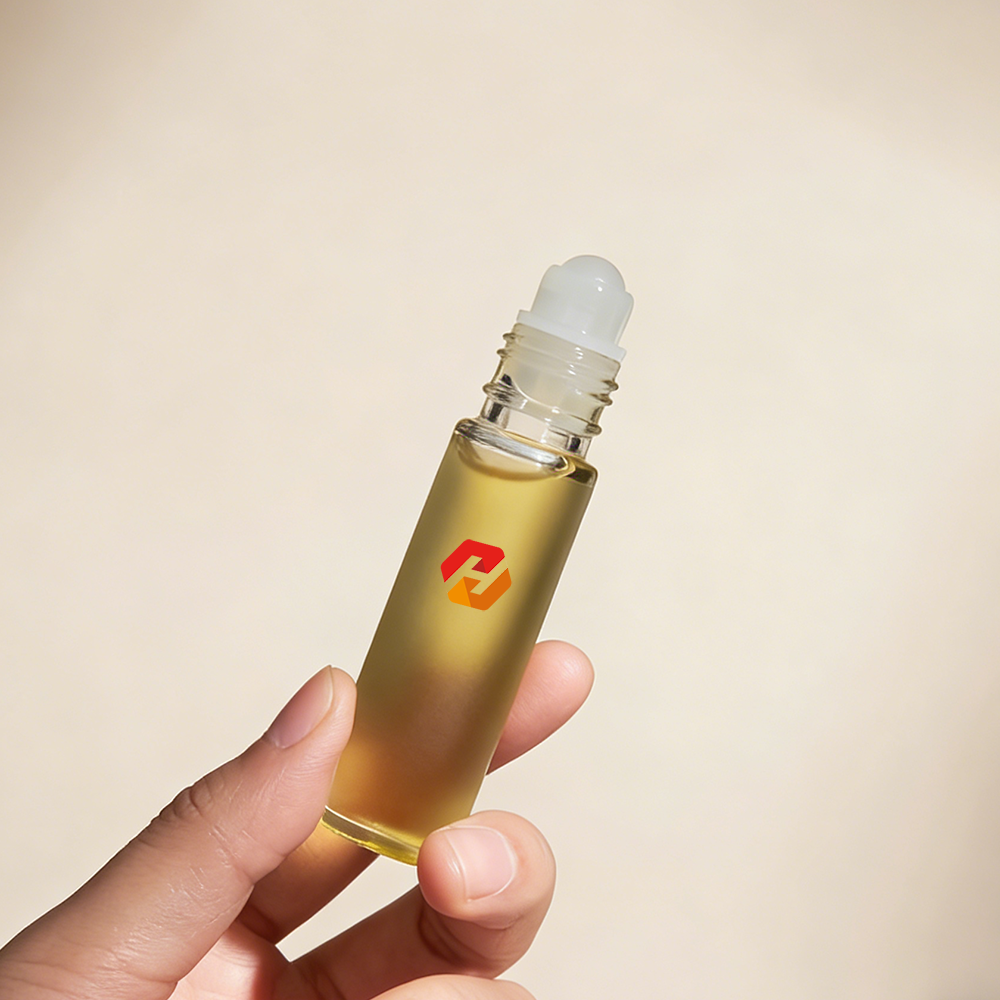
Selecting the correct size for an essential oil bottle depends on your consumption habits. Standard sizes usually range from 5ml to 100ml. A 5ml bottle is ideal for expensive or rarely used oils. It minimizes the amount of air (headspace) inside the container, reducing oxidation.
The 10ml and 15ml sizes are the industry standards for most commercial brands. These sizes offer a balance between portability and volume. For professional aromatherapists or DIY enthusiasts making large batches, 30ml or 100ml bottles are more practical. Larger bottles are often used for carrier oils or bulk storage of base notes.
Data from packaging studies indicate that smaller volumes help maintain chemical stability. When an essential oil bottle is half-empty, the oxygen inside reacts with the oil. For this reason, many experts recommend transferring oils to smaller containers as they are used. This simple step can extend the shelf life of your oils by several months.
Why Material Choice Impacts Essential Oil Preservation?
The chemical composition of an essential oil bottle must be non-reactive. Pure essential oils are highly concentrated and can dissolve many types of plastic. This process, known as leaching, can contaminate the oil with harmful chemicals like BPA or phthalates. Glass remains the preferred material because it is chemically inert and does not react with botanical compounds.
Borosilicate glass is sometimes used for premium packaging due to its high resistance to thermal shock. However, standard soda-lime glass is sufficient for most aromatherapy needs. Ensure the caps and orifice reducers are made from high-density polyethylene (HDPE) or similar oil-resistant plastics. These materials withstand the corrosive nature of the oils without degrading over time.
Recent laboratory tests show that light exposure can reduce the potency of certain oils by 40% within six months. This highlight the necessity of using dark-colored glass. If you must use clear glass for aesthetic reasons, store the bottles in a dark cupboard or decorative box. Maintaining a stable temperature is also vital for preserving the delicate chemical balance of the extracts.
Key Factors in Selecting High-Quality Packaging
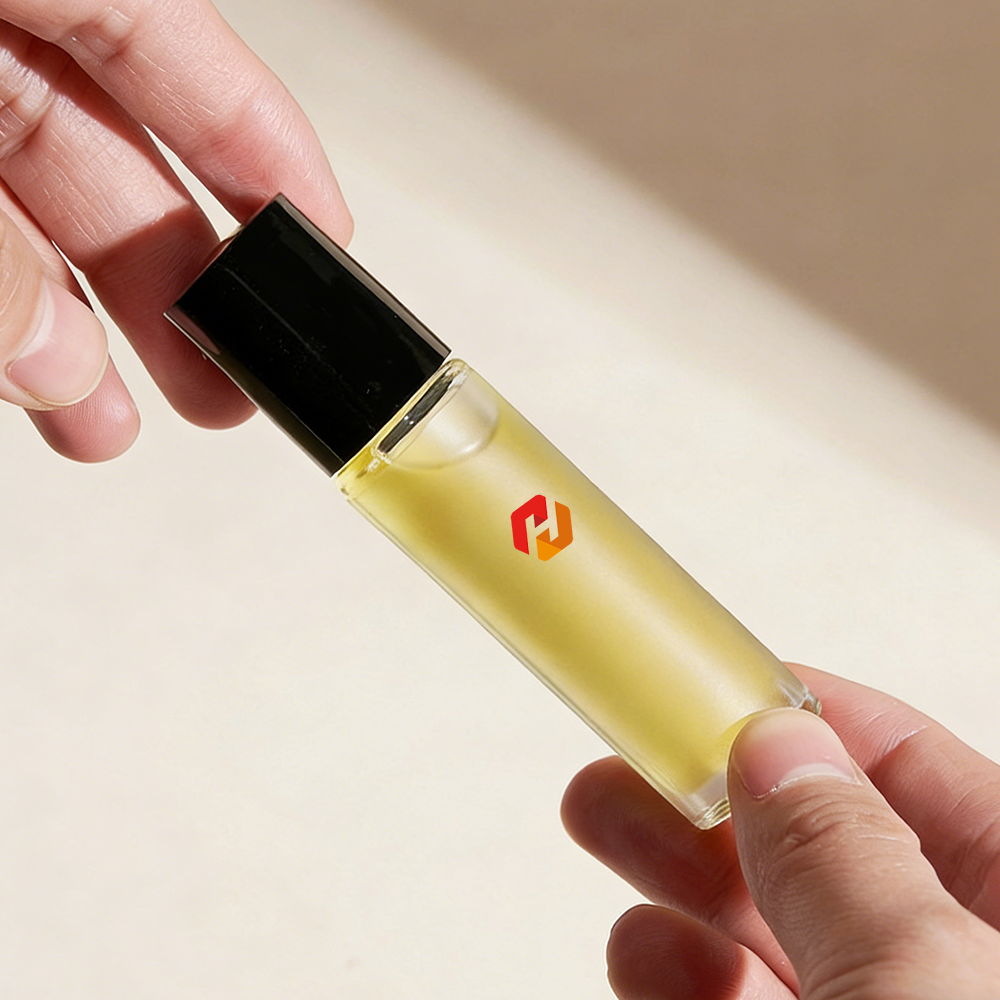
When evaluating your packaging options, consider the durability of the closure system. A high-quality essential oil bottle must feature a leak-proof seal. This prevents evaporation and keeps the oil from spilling during transport. Roller bottles, in particular, require a precise fit between the ball and the housing to ensure a consistent flow.
The versatility of sizes is another important factor for many users. Choosing a provider that offers 5ml, 10ml, and 15ml options allows for a cohesive product line. Customization can also play a role in branding, with options for different glass colors or cap styles. Proper sizing ensures that the bottle matches the intended frequency of use and the concentration of the blend.
Reliability in manufacturing prevents common issues like cracked glass or ill-fitting caps. Professionals often look for bottles that can be easily labeled and organized. A standardized neck size is beneficial because it allows you to swap different tops, such as misters or droppers. Quality packaging serves as the first line of defense for your aromatherapy collection.
Summary
Selecting the perfect essential oil bottle involves balancing light protection, material safety, and size. Amber glass remains the superior choice for UV protection, while roller bottles offer the best convenience for topical use. By matching the bottle size to your usage patterns, you can significantly extend the life of your oils.
FAQ
Q:Which color of essential oil bottle is best for storage?
Amber glass is the best choice because it blocks the widest spectrum of UV light. This prevents the oil from oxidizing and losing its aromatic and therapeutic qualities.
Q:Can I use plastic bottles for essential oils?
You should generally avoid plastic for pure essential oils. Many oils can dissolve plastic over time, leading to chemical contamination and leaks.
Q:How do I prevent my roller bottles from leaking?
Ensure the roller ball is pressed firmly into the bottle neck until it clicks. Use high-quality housing components that are designed to withstand the specific viscosity of your oil blends.
Q:What is the benefit of a 10ml roller bottle?
A 10ml size is highly portable and perfect for on-the-go application. It provides enough volume for several weeks of use while remaining small enough for a pocket or purse.
Q:How should I clean a used essential oil bottle?
You can soak glass bottles in warm, soapy water or use high-percentage rubbing alcohol. Ensure the bottle is completely dry before refilling it to avoid water contamination.
Reference Sources:
Tisserand Institute: Essential Oil Safety and Storage
https://tisserandinstitute.org/
Glass Packaging Institute: Benefits of Glass Packaging
https://www.gpi.org/
National Center for Complementary and Integrative Health: Aromatherapy Information
https://www.nccih.nih.gov/
International Federation of Professional Aromatherapists: Industry Standards
https://ifparoma.org/