
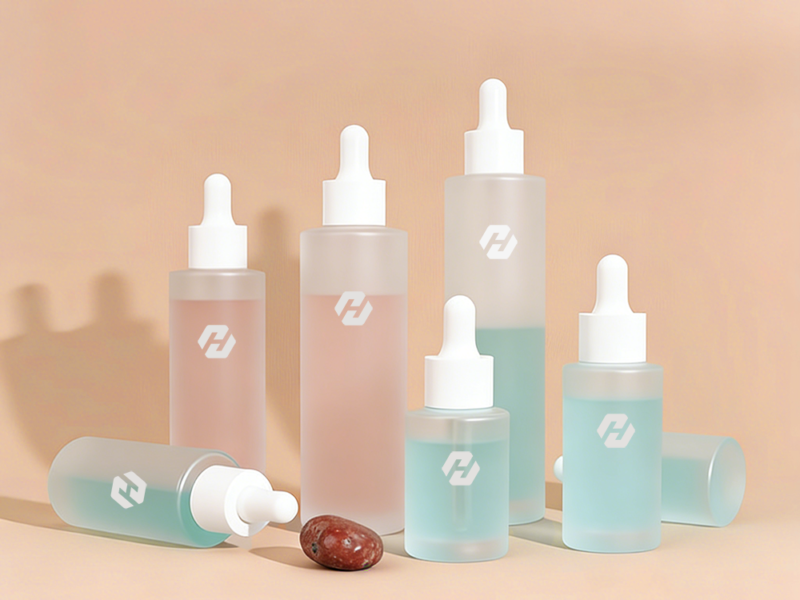
The global beauty landscape relies heavily on high-quality packaging to define brand identity. Finding the right cosmetic bottle manufacturers in China is a strategic priority for many growing brands. This guide explores the manufacturing landscape and provides actionable insights for your sourcing journey in 2026.
China remains a global leader in the production of cosmetic containers and closures. The Chinese packaging market is projected to reach approximately $165.40 billion by 2026. This growth reflects the country’s unparalleled infrastructure and technical expertise in material science. Industry analysts expect this market to maintain a steady compound annual growth rate.
This dominance is driven by integrated supply chains and advanced automation. Most cosmetic bottle manufacturers have adopted smart manufacturing technologies to enhance precision. These developments allow brands to secure high-quality products at competitive price points. Selecting a partner requires understanding regional strengths and material capabilities.
Where are the Leading Manufacturing Hubs?
China’s manufacturing prowess is concentrated in specific industrial clusters across coastal provinces. Most top cosmetic bottle manufacturers operate in Guangdong, Zhejiang, and Jiangsu provinces. These regions provide a complete ecosystem for raw material sourcing and logistics. Each hub offers unique advantages for different types of packaging needs.
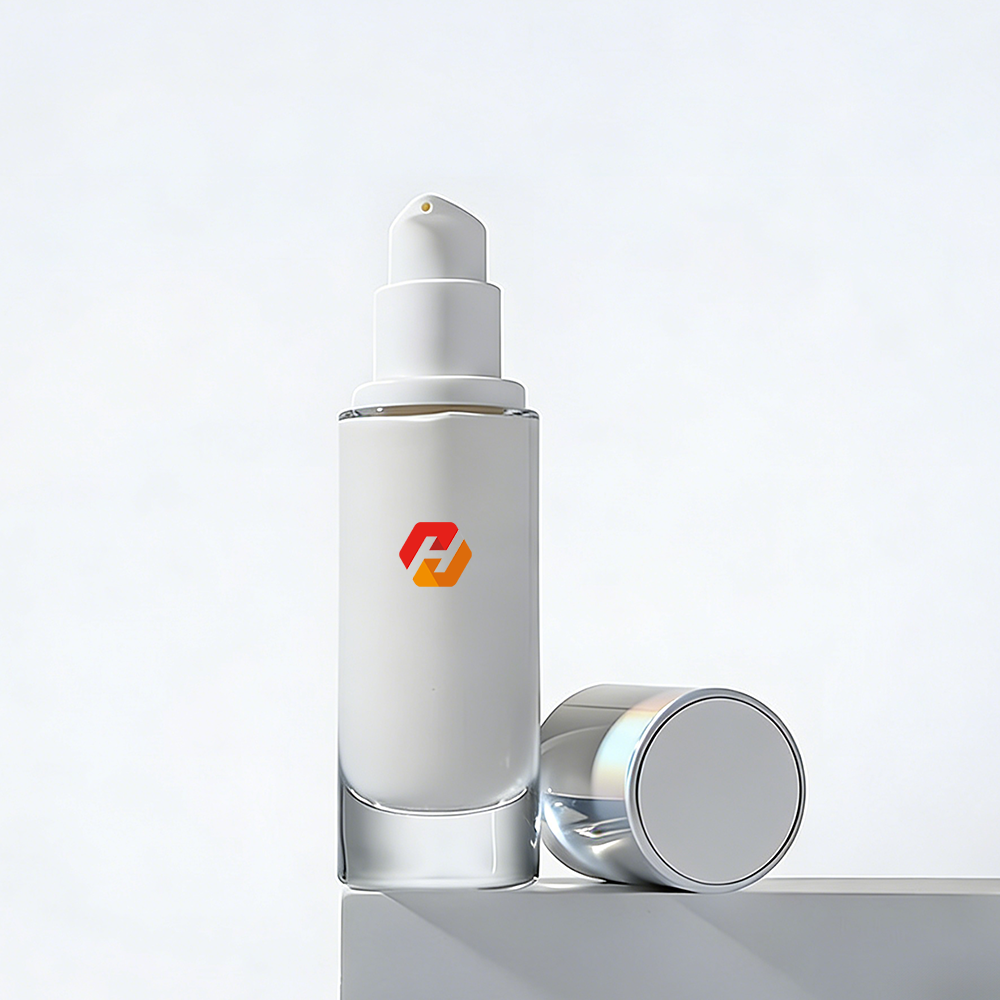
Guangdong province remains the primary destination for high-end skincare and makeup packaging. Manufacturers in Guangzhou and Shenzhen specialize in complex designs and premium surface treatments. You can find suppliers that offer advanced electroplating and vacuum metallization processes. This region is ideal for brands targeting the luxury market.
Zhejiang province is another vital hub, specifically the cities of Ningbo and Shaoxing. These areas are famous for high-volume production of plastic dispensers and sprayers. Sourcing from these hubs ensures access to competitive pricing and established export routes. Many factories here have upgraded their lines to meet 2026 sustainability standards.
Regional Specialization in 2026
| Manufacturing Hub | Primary Specialties | Regional Advantage |
| Guangdong | Luxury Glass, Acrylic, Airless | Proximity to design talent and ports |
| Zhejiang | PET/PP Bottles, Sprayers, Pumps | Mass production and material sourcing |
| Jiangsu | Skincare Jars, Glass Vials | High-precision molding and R&D |
The global cosmetic packaging market is projected to reach $98.50 billion by 2026. Chinese manufacturers contribute a significant portion of this global supply. Their ability to scale production quickly helps brands meet fluctuating market demands. This flexibility is essential for staying competitive in the fast-paced beauty industry.
Key Standards for Cosmetic Bottle Manufacturers
Selecting a partner involves more than comparing unit prices or lead times. You must verify that cosmetic bottle manufacturers adhere to international quality management systems. Certifications like ISO 9001:2015 ensure consistent production and defect reduction. These standards are the foundation of a reliable supply chain.
Quality control should extend to every stage of the manufacturing process. Ask potential suppliers about their inspection protocols for neck diameter and wall thickness. Reliable factories use automated machinery to detect bubbles or stones in glass containers. These technical details prevent leaks and ensure a premium user experience.
Material Safety and Sustainability
Sustainability has become a baseline expectation for modern consumers in 2026. Leading manufacturers now offer Post-Consumer Recycled (PCR) plastics and bio-based materials. Over 65% of beauty consumers now prefer brands with clear environmental commitments. Suppliers must prove their material sources through proper documentation.
Technical capabilities also define the quality of the final product you receive. Evaluate the manufacturer’s ability to provide one-stop services, including mold development. Integrated production reduces the risk of communication errors between different service providers. This approach streamlines the timeline from design to delivery.
Testing and Compliance Protocols
Modern manufacturing requires rigorous testing to ensure product compatibility. Cosmetic bottle manufacturers should perform vacuum leak tests on all closures. They must also test the durability of coatings against alcohol and essential oils. These steps guarantee that the packaging protects the integrity of the formula.
Verify that all plastics used are BPA-free and of food-grade quality. In 2026, regulatory bodies have tightened standards for chemical migration in packaging. Working with certified partners mitigates the risk of product recalls or legal issues. Documentation of compliance is a non-negotiable requirement for global brands.
Why Sourcing from China is Essential for Global Brands?
The dominance of China in this sector is due to an integrated supply chain. Cosmetic bottle manufacturers have immediate access to specialized tooling and prototyping workshops. This proximity allows for faster turnaround times compared to many Western alternatives. Brands can move from a concept to a physical sample in record time.
Cost efficiency remains a significant driver for international beauty brands and distributors. Even with global tariffs, the total landed cost often remains lower in China. Economies of scale allow factories to offer competitive prices for high-volume orders. This financial advantage allows brands to invest more in marketing and formulation.
Technological Innovation in 2026
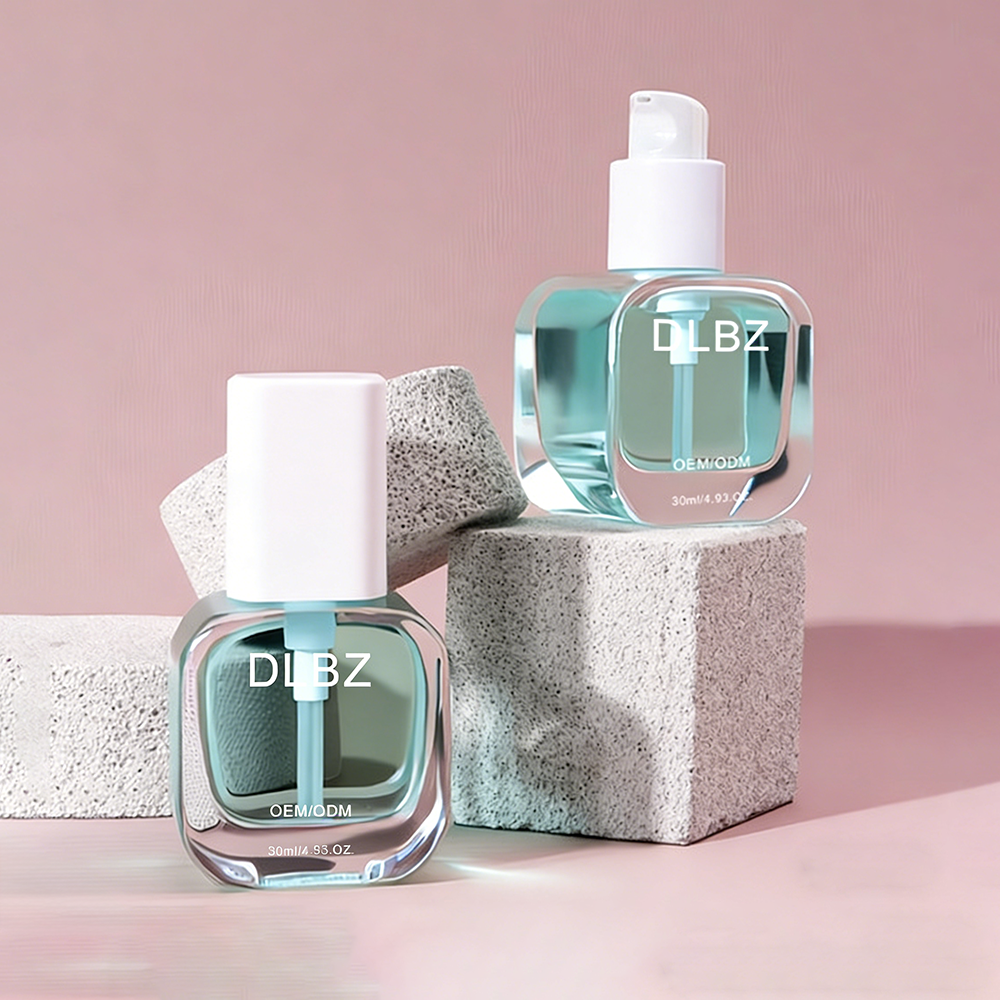
Innovation is another area where Chinese factories have made massive strides recently. Many suppliers now integrate smart technology like QR codes or NFC into packaging. These features enhance consumer engagement and provide anti-counterfeiting benefits. Such innovations are becoming standard for premium brands in 2026.
Shipping infrastructure in China is highly optimized for the international export of fragile goods. Major ports like Ningbo and Shanghai handle millions of containers of cosmetic supplies annually. This logistics network ensures that products reach global markets with minimal delays. Reliable shipping is a cornerstone of a successful supply chain.
Expertise in Masstige Packaging
Technical expertise in “Masstige” packaging is a unique strength of the Chinese market. Manufacturers can produce luxury-quality items at accessible price points for the mass market. This capability helps emerging brands compete with established international labels effectively. It bridges the gap between high-end aesthetics and budget-friendly production.
The ability to customize designs at scale is also a major draw. Cosmetic bottle manufacturers in China often have thousands of existing molds available. This variety allows brands to find unique shapes without the high cost of custom tooling. If a custom design is needed, the cost of mold creation is relatively low.
Material Selection and Quality Control
Choosing the right material is critical for product stability and shelf appeal. Cosmetic bottle manufacturers typically offer a range of plastic, glass, and metal options. Each material has distinct properties that affect the preservation of your formula. Understanding these differences is key to making an informed decision.
Glass is often preferred for premium serums and perfumes due to its inert nature. It provides an excellent gas barrier and reflects a sense of luxury. However, glass is heavier and more expensive to ship than plastic alternatives. In 2026, lightweight glass options have become more prevalent to reduce carbon footprints.
Popular Packaging Materials in 2026
| Material | Key Benefits | Typical Applications |
| Glass | High barrier, Luxury feel | Perfumes, Active serums |
| PET | Lightweight, Recyclable | Lotions, Cleansers |
| Aluminum | 100% Recyclable, Light-proof | Sunscreens, Shaving foams |
| Acrylic | Glass-like look, Durable | Premium face creams |
Plastic remains the most versatile and cost-effective choice for everyday products. PET and PP are popular because they are lightweight and shatter-resistant for travel. Many brands are now transitioning to PCR-PET to align with global sustainability goals. This shift is supported by improved recycling technologies in 2026.
Airless Systems and Preservation
Airless bottle systems are gaining massive popularity for preservative-free or bioactive formulas. These containers prevent oxygen from entering the bottle during use and storage. This technology extends the shelf life of sensitive skincare ingredients like Vitamin C. It also ensures that consumers can use every drop of the product.
Manufacturers have improved the reliability of airless pumps to reduce mechanical failure. Modern systems offer consistent dosage and smooth dispensing for various viscosities. Choosing a manufacturer with expertise in airless technology is vital for high-performance skincare brands. This ensures the formula remains effective until the very last application.
How to Evaluate Your Packaging Partner Selection?
When looking for a reliable source, you should prioritize manufacturers that offer a diverse range of cosmetic bottles for different formula types. The right partner serves as a technical guardian for your liquid or cream formulas. They should understand the chemical compatibility between the packaging and the product.
Professional manufacturers provide comprehensive R&D support for your unique brand requirements. This includes creating custom molds that distinguish your product on a crowded shelf. A deep library of existing molds can also save you significant initial investment costs. Always ask for a portfolio of previous work to assess their design capabilities.
Transparency and Communication
Transparency in the supply chain is essential for risk mitigation in 2026. Your partner should provide clear documentation of material sources and compliance certifications. Verified suppliers often undergo third-party audits to prove their production capacity. These audits offer peace of mind for brands operating in highly regulated markets.
Effective communication is the foundation of any successful international manufacturing partnership. Look for companies that provide dedicated account managers and rapid technical responses. This ensures that any issues during production are resolved before the goods are shipped. Language proficiency and time zone management are also important factors to consider.
Flexibility and Scalability
Finally, consider the flexibility of the manufacturer regarding minimum order quantities (MOQs). While mass production offers cost benefits, startups often need smaller initial batches. Finding a supplier that grows with your business is a long-term strategic advantage. Many top-tier factories now offer flexible terms for promising emerging brands.
Evaluate their capacity to handle sudden increases in demand. A good partner should be able to scale production quickly if your product goes viral. This scalability prevents stockouts and helps maintain market momentum. A reliable manufacturer is a partner in your brand’s growth and success.
Summary
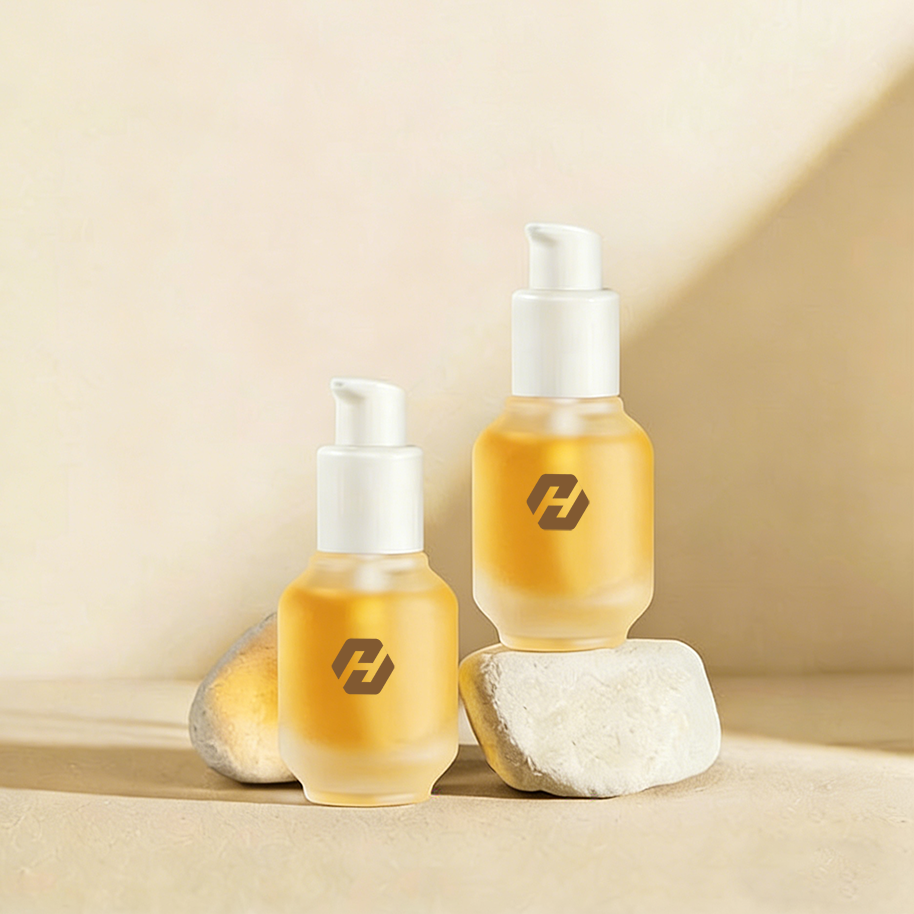
Choosing the best cosmetic bottle manufacturers in China requires a balance of quality, cost, and innovation. By focusing on certified hubs and sustainable materials, you can secure reliable packaging in 2026. This partnership is vital for protecting your formulas and building a strong, recognizable beauty brand.
FAQ
1. How do I verify the quality of cosmetic bottle manufacturers in China?
Check for ISO 9001 and ISO 22716 certifications to ensure global quality standards. You should also request physical samples and perform drop and leakage tests before placing a bulk order. Verifying their track record with international brands is also a reliable indicator of quality.
2. What is the average lead time for custom cosmetic bottle production?
Production lead times typically range from 25 to 45 days depending on the design complexity. If you require custom mold development, expect an additional 15 to 20 days for prototyping and testing. Always factor in shipping times when planning your product launch schedule in 2026.
3. Can Chinese manufacturers produce sustainable packaging?
Yes, many top-tier factories now specialize in PCR (Post-Consumer Recycled) and biodegradable materials. These eco-friendly options help brands meet the growing consumer demand for sustainable beauty solutions. Ensure the manufacturer provides certifications for the recycled content used in their products.
4. Which material is best for high-end anti-aging serums?
Glass or airless plastic bottles are generally best for sensitive anti-aging ingredients. These materials offer the best protection against oxidation and light exposure, ensuring formula potency. Airless systems are particularly effective for formulas that use minimal preservatives.
5. Are there low MOQ options for startup beauty brands?
Many manufacturers now offer flexible MOQs starting from 3,000 to 5,000 units for stock designs. Custom-molded bottles generally require higher volumes to justify the initial tooling costs. Negotiating with suppliers can sometimes lead to lower MOQs for initial market testing.
Reference Sources
Statista – China: packaging industry market size
Fortune Business Insights – China Packaging Market Size, Share & Industry Analysis
Vantage Market Research – Cosmetics Packaging Market – Global Industry Assessment & Forecast
Hong Kong Trade Development Council (HKTDC) – China’s Cosmetics Market Profile