
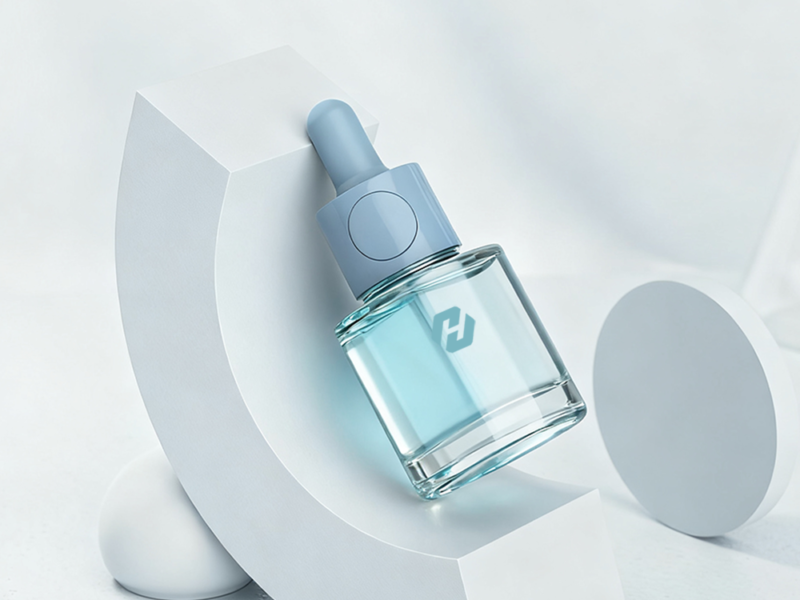
Selecting the right packaging is a pivotal decision for any beauty brand. A custom cosmetic bottle is not merely a container; it is a technical interface between your formulation and the consumer. It must ensure chemical stability, provide functional ease of use, and communicate your brand’s identity through tactile and visual cues.
Customizing these components requires a deep understanding of material science, surface finishing, and manufacturing constraints. Whether you are launching a luxury serum or a high-volume body lotion, the following technical roadmap will guide you through the complexities of professional packaging development.
Technical Material Selection: Matching Formula to Substrate
The first step in developing custom cosmetic bottles is selecting a material that balances aesthetics with chemical compatibility. Each polymer and glass type offers distinct barriers against oxygen, moisture, and UV light.
PET (Polyethylene Terephthalate): Highly transparent and lightweight. Ideal for products that benefit from glass-like clarity but require the durability of plastic.
PP (Polypropylene): Known for its excellent chemical resistance. It is the preferred choice for formulas with high oil content or active ingredients that might degrade other plastics.
Glass (Type III): The gold standard for luxury. Glass is non-reactive and 100% recyclable, making it ideal for high-end perfumes and organic skincare.
PCR (Post-Consumer Recycled) Plastics: An essential choice for brands focusing on sustainability. PCR materials reduce carbon footprints while maintaining structural integrity.
| Material Type | Clarity | Chemical Resistance | Weight | Sustainability |
| Glass | High | Excellent | Heavy | High (Recyclable) |
| PET | High | Moderate | Light | Moderate (Recyclable) |
| PP | Translucent | Excellent | Very Light | Moderate |
| Acrylic | Very High | Low | Moderate | Low |
Advanced Surface Decoration Techniques
Customization is achieved through surface treatments that transform a raw bottle into a branded asset. The choice of technique depends on your budget, design complexity, and the tactile experience you wish to create.
Silk Screen Printing
This process involves pushing ink through a mesh stencil. It provides a raised, tactile feel and high color opacity. It is the most common method for logos and ingredient lists on custom cosmetic bottles.
Hot Stamping
For a metallic finish (gold, silver, or rose gold), hot stamping uses heat and pressure to transfer a foil onto the bottle surface. It is often used for “Premium” or “Luxury” lines to signify high value.
UV Coating & Spray Painting
UV coating can provide a high-gloss, matte, or pearlescent finish. Beyond aesthetics, it adds a protective layer that prevents the bottle from scratching during transit.
Frosting and Acid Etching
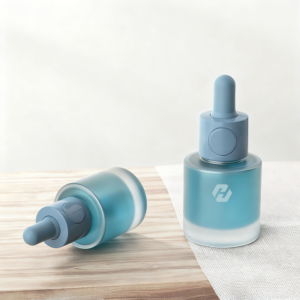
Frosting gives glass or plastic a translucent, “ice-like” appearance. It is highly effective for diffusers or high-end serums where you want to obscure the liquid slightly while maintaining a soft, matte touch.
Functional Components: Closures and Dispensing Systems
A bottle is only as good as its dispensing mechanism. The customization of pumps and caps is critical for the “User Experience” (UX).
Treatment Pumps: Best for viscous creams and lotions. Precision dosage (e.g., 0.2cc) ensures the consumer uses the correct amount of product.
Mist Sprayers: Essential for toners and hair mists. The “micronization” of the spray determines how evenly the product is distributed.
Airless Technology: Airless bottles utilize a vacuum system rather than a dip tube. This protects sensitive formulas (like Vitamin C or Retinol) from oxidation and allows for 99% product evacuation.
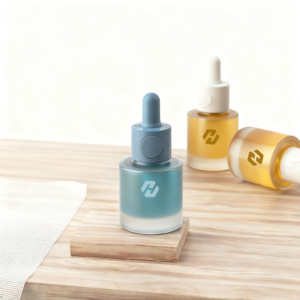
Droppers: The preferred choice for facial oils. Droppers allow for “ritualistic” application, common in the luxury skincare segment.
Navigating the Manufacturing Workflow
When moving from a concept to a physical product, understanding the OEM/ODM workflow ensures you avoid costly delays or quality issues.
Design & Prototyping: Start with 3D renderings to visualize the proportions. For unique shapes, a 3D-printed mock-up is essential to test ergonomics.
Tooling & Molds: If you require a unique bottle shape (not a “private mold” or “stock” item), you will need to invest in custom injection or blow molds. This stage typically involves a higher initial cost but grants your brand exclusive rights to the silhouette.
Sampling: Always request a “pre-production sample” (PPS). This sample should undergo “Compatibility Testing” where your actual formula is placed in the bottle for 4–8 weeks at varying temperatures to check for leaks or chemical reactions.
Mass Production: Once samples are approved, production begins. Quality Control (QC) should monitor for “flash” (excess plastic), color consistency, and print adhesion.
Evaluating Customization Costs and MOQs
In the packaging industry, volume dictates price. For custom cosmetic bottles, the Minimum Order Quantity (MOQ) is usually the primary hurdle for emerging brands.
Stock Bottles with Custom Printing: MOQs typically range from 3,000 to 5,000 units. This is the fastest route to market.
Custom Colors (Injection Molding): Usually requires 10,000+ units. This allows you to have the plastic itself colored to your brand’s specific Pantone.
Custom Shapes (New Molds): Requires 20,000+ units and a significant upfront tooling fee.
For brands looking for professional-grade variety, Hyrun Packaging’s cosmetic bottle collection offers a range of airless, glass, and plastic solutions that can be tailored to specific brand requirements.
Compliance and Quality Standards
Professional customization must adhere to international safety standards. Ensure your supplier provides documentation for:
BPA-Free Materials: Vital for consumer safety and brand trust.
ISO 9001 Certification: Ensures the factory follows a consistent quality management system.
SGS/FDA Compliance: Confirms the materials used do not contain heavy metals or prohibited phthalates.
FAQ
Q: How long does it take to get custom cosmetic bottles?
A: If you are using stock bottles with custom printing, lead times are usually 25–35 days. If you require a custom mold (unique shape), the process can take 60–90 days, including mold creation and sampling.
Q: What is the best material for essential oils?
A: Glass is the superior choice for essential oils as they can degrade most plastics over time. If plastic is required, high-density PET or specialized lined bottles should be tested for compatibility.
Q: Can I use eco-friendly materials for custom bottles?
A: Yes. Most manufacturers now offer PCR (Post-Consumer Recycled) PET and PP. Additionally, “Refillable” bottle designs are becoming a major trend for sustainable brand positioning.
Q: Does the bottle color affect the product inside?
A: Yes. Amber, cobalt blue, or opaque black bottles provide UV protection. This is crucial for ingredients like Vitamin C, which lose efficacy when exposed to light.
Reference Sources
ISO 15378: Primary packaging materials for medicinal products – Particular requirements for the application of ISO 9001:2015.
ASTM D3475: Standard Classification of Child-Resistant Packages.
Sustainable Packaging Coalition (SPC): Guidelines on the use of PCR in cosmetic packaging.
FDA Cosmetics Guidance: Regulations on packaging and labeling requirements for the US market.