
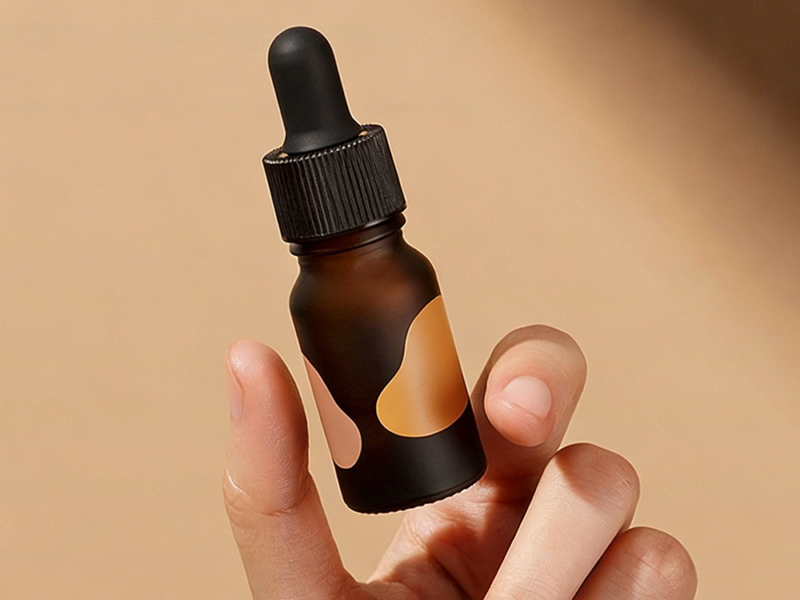
The success of a premium skincare line often rests as much on the integrity of its packaging as it does on the efficacy of its formula. For high-potency serums—typically containing volatile actives like Vitamin C, Retinol, or Hyaluronic Acid—the container is not just a vessel; it is a critical barrier against oxidation, UV degradation, and chemical interaction.
When searching for a serum bottle manufacturer, procurement managers and product developers must look beyond aesthetics. A reliable manufacturing partner must balance structural engineering with cosmetic appeal, ensuring that the primary packaging maintains product shelf life while reflecting brand positioning.
Why Material Science Dictates Serum Packaging Choice
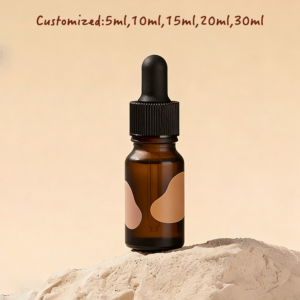
In the cosmetic industry, glass remains the gold standard for serums. This is primarily due to its non-reactive nature. Unlike certain plastics, glass does not leach chemicals into the formula, nor does it allow oxygen permeation that can spoil high-value ingredients.
A professional manufacturer typically works with Soda-Lime glass or, for specialized applications, Borosilicate glass. The manufacturing process involves precise thermal control during the “annealing” phase to ensure the glass is free of internal stress, preventing breakage during high-speed filling lines or shipping.
Critical Material Considerations:
-
UV Protection: For light-sensitive formulas, amber or cobalt blue glass is essential. Alternatively, manufacturers can apply internal or external UV-opaque coatings to clear glass.
-
Chemical Resistance: High-transparency glass ensures the product’s color and texture are visible without the risk of “clouding” over time.
-
Weight and Feel: Premium brands often specify “thick-bottom” (heavy base) glass, which provides tactile luxury and lower center-of-gravity stability on retail shelves.
Technical Specifications: Precision in Closures and Neck Finishes
A serum bottle is only as effective as its closure system. Leakage and evaporation are the most common points of failure in B2B skincare procurement.
When evaluating a serum bottle manufacturer, you must verify their adherence to international neck finish standards (such as GPI/GCMI standards). A 20/410 or 24/410 neck finish must have a tolerance level that ensures a hermetic seal with droppers, pumps, or sprayers.
| Closure Type | Ideal Application | Technical Benefit |
| Glass Dropper | Low-viscosity oils, water-based serums | Precise dosage control; classic apothecary aesthetic. |
| Treatment Pump | High-viscosity gels, emulsions | Reduces oxygen exposure; prevents “messy” application. |
| Airless Pump | Preservative-free or highly volatile formulas | Zero-waste dispensing; maximum protection from oxidation. |
| Roller Ball | Eye serums, spot treatments | Targeted application with a cooling massage effect. |
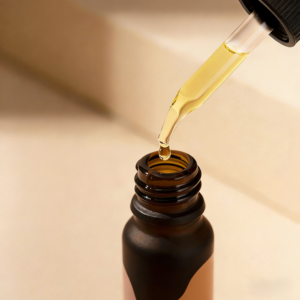
Manufacturers like Hyrun emphasize the integration between the bottle mouth and the dropper bulb. The bulb material (Silicone, NBR, or TPE) must be tested for compatibility with the serum’s essential oils to prevent swelling or degradation of the rubber.
Customization and Decoration: Engineering Brand Identity
In a saturated market, “off-the-shelf” packaging rarely suffices for established brands. A sophisticated manufacturer provides a suite of secondary processing options that transform a standard glass mold into a bespoke brand asset.
-
Frosting and Acid Etching: This creates a matte, translucent finish that hides fingerprints and diffuses light, giving the product a “soft-touch” feel.
-
Silk-Screen Printing: Ideal for bold, tactile logos. High-quality manufacturers use UV-cured inks that resist scratching and chemical contact.
-
Hot Stamping: Utilizes heat and foil to create metallic finishes (Gold, Silver, Rose Gold) that signify luxury.
-
Color Coating (Lacquering): This allows for any Pantone color to be applied to the glass, either in a solid, gradient, or transparent finish.
Vetting a Manufacturer: The B2B Procurement Checklist
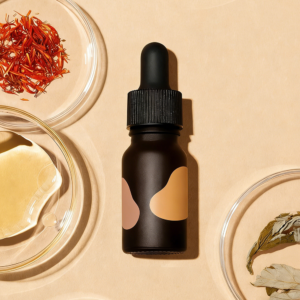
Selecting a partner for long-term supply requires more than a price quote. Engineers and procurement officers should evaluate a serum bottle manufacturer based on these technical benchmarks:
1. Quality Control (QC) Protocols
Does the factory perform vacuum leak testing? What is their Acceptable Quality Level (AQL) for glass inclusions (bubbles) or surface scratches? A reputable manufacturer should provide a COA (Certificate of Analysis) for every batch.
2. Mold Customization Capabilities
If your brand requires a unique shape, the manufacturer must have in-house tooling capabilities. This involves CNC mold making and pilot sampling before mass production.
3. Compliance and Certification
Ensure the glass and closure materials meet FDA or EU cosmetic regulations. Heavy metal content in glass (lead/cadmium) must be strictly regulated, especially for brands exporting to North America or Europe.
4. Minimum Order Quantities (MOQ) and Lead Times
Standard bottles may have an MOQ of 5,000–10,000 units, whereas custom-colored or bespoke-molded bottles may require 20,000+ units. Lead times for glass production typically range from 30 to 45 days, depending on the complexity of the decoration.
The Role of Sustainable Packaging in Modern Manufacturing
There is a growing shift toward PCR (Post-Consumer Recycled) glass and “Refillable” systems. A forward-thinking serum bottle manufacturer now offers “heavy-wall” glass bottles designed for longevity, paired with replaceable inner cartridges or bulk-refill programs. Because glass is 100% recyclable without loss of quality, it fits perfectly into the circular economy models that modern consumers demand.
Final Evaluation: Matching Formulation to Packaging
Before finalizing a purchase order, brands should conduct compatibility testing. This involves placing the serum in the manufacturer’s bottle for 4–12 weeks at elevated temperatures to monitor for:
-
Interaction: Does the formula change color or scent?
-
Functionality: Does the pump clog? Does the dropper bulb lose suction?
-
Integrity: Does the silk-screening peel when exposed to the product?
By partnering with a manufacturer that understands both the aesthetic and the engineering requirements of the skincare industry, brands can ensure their products perform as beautifully as they look.
FAQ: Serum Bottle Manufacturing & Procurement
Q1: What is the most common size for serum bottles?
A1: The industry standard is 30ml (1 oz), though 15ml is common for eye serums or “travel sizes,” and 50ml is used for body serums or value-sized facial treatments.
Q2: Can I get custom colors for small orders?
A2: Most manufacturers require a higher MOQ (typically 10,000+) for custom color spraying or solid glass tinting because of the machine calibration time involved. For smaller runs, brands often use clear bottles with custom labels.
Q3: How do I prevent “leaking” during air shipment?
A3: Ensure your manufacturer uses a “shipped-with-closure” vacuum test. This simulates the pressure changes in an airplane cargo hold. Using a high-quality liner (like PE or Saranex) inside the cap is also vital.
Q4: Is glass or plastic better for Vitamin C serums?
A4: Glass, specifically dark amber or opaque coated glass, is superior. Vitamin C (L-ascorbic acid) is highly unstable and oxidizes when exposed to light and air. Glass provides a better gas barrier than most plastics.
Q5: What are the typical payment terms for OEM manufacturing?
A5: Most B2B manufacturers operate on a 30% or 50% deposit before production, with the balance paid after QC inspection but before shipment (T/T payment).
Reference Sources:
-
ASTM International: Standards for Glass Container Testing and Internal Pressure Resistance.
-
Glass Packaging Institute (GPI): Standardized Neck Finishes for Glass Containers.
-
SGS Global: Cosmetic Packaging Chemical Compatibility Testing.