
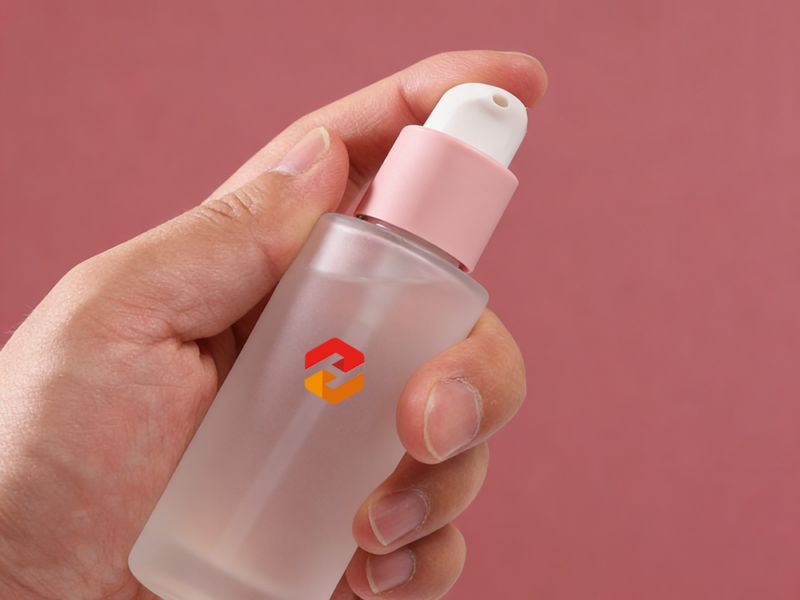
The shift toward clean beauty and preservative-free formulations has fundamentally changed skincare packaging requirements. For brands utilizing high-potency actives like Vitamin C, Retinol, or organic extracts, traditional dipping-tube pumps often fall short. Oxygen exposure, UV degradation, and product wastage are the primary enemies of formula integrity.
Airless packaging technology provides a vacuum-sealed environment that eliminates the need for a dip tube. Instead, these systems utilize a mechanical piston or a collapsible inner pouch to dispense the product. As a brand owner or procurement manager, choosing the right airless pump bottles supplier is about more than aesthetics—it is about ensuring chemical stability and consumer trust through precise engineering.
How Airless Technology Protects Sensitive Formulations
Unlike standard atmospheric pumps, an airless system operates on the principle of a vacuum. As the actuator is pressed, a piston at the bottom of the bottle rises, pushing the product upward. This design ensures that the skincare formula never comes into contact with air during its entire shelf life.
From a manufacturing perspective, this offers three critical advantages:
-
Oxidation Prevention: Actives that turn brown or lose potency (like L-ascorbic acid) remain stable because the “headspace” oxygen is eliminated.
-
Zero-Waste Dispensing: Airless systems typically achieve a 95% to 99% evacuation rate, significantly higher than traditional pumps.
-
360-Degree Usage: Because there is no dip tube, consumers can dispense the product from any angle, including upside down.
Material Selection: PP vs. PETG vs. Acrylic
When evaluating an airless pump bottles supplier, the material choice dictates both the chemical compatibility and the perceived value of your brand.
| Material | Transparency | Chemical Resistance | Durability | Sustainability |
| PP (Polypropylene) | Translucent/Opaque | Excellent | High | Highly Recyclable |
| PETG | High Clarity | Moderate | Good | Recyclable |
| Acrylic (PMMA) | Glass-like Clarity | Lower (may craze) | Brittle | Difficult to Recycle |
| PCR (Post-Consumer Recycled) | Varies | Good | Moderate | High (Eco-friendly) |
For professional-grade clinical skincare, PP (Polypropylene) is often the industry standard due to its inert nature. It does not react with essential oils or high-acid formulations. However, for luxury brands seeking a “glass-look” with the weight of premium plastic, double-walled Acrylic or PETG options are preferred. Top-tier manufacturers like Hyrun Packaging offer these materials with various decorative finishes, including UV metallization, silk-screen printing, and soft-touch frosting.
Matching Bottle Design to Product Viscosity
Not all airless bottles are compatible with all formulas. The mechanical resistance of the pump engine must match the viscosity of your liquid.
-
Low Viscosity (Serums/Toners): Requires a pump with a tight seal to prevent leakage and a fine mist or controlled stream output.
-
Medium Viscosity (Lotions/Moisturizers): The standard piston airless bottle works best here, providing a consistent 0.20ml to 0.50ml dosage per stroke.
-
High Viscosity (Heavy Creams/Masks): May require a wide-diameter pump engine or a “jar” style airless dispenser, where the entire top surface acts as the actuator.
Critical Sourcing Criteria for Skincare Brands
When vetting an airless pump bottles supplier, procurement teams should look beyond the price per unit. Engineering tolerances are the difference between a successful product launch and a mass recall due to pump failure.
1. Vacuum Leakage Testing
A reputable supplier should perform vacuum leak tests (often using a vacuum chamber at -0.05MPa to -0.08MPa) to ensure the bottle remains airtight during air transport and high-altitude shipping.
2. Component Fit and Finish
In airless systems, the piston must fit the inner diameter of the bottle perfectly. If the tolerance is too loose, the product will leak behind the piston; if too tight, the pump will “stick” and fail to rebound.
3. Customization and PCR Options
Global regulations are tightening regarding plastic waste. Brands should inquire if the supplier can incorporate PCR (Post-Consumer Recycled) plastics into the bottle’s outer sleeve or base without compromising the mechanical function of the pump.
4. Priming Stroke Count
The “priming stroke” refers to how many times a user must press the pump before the first drop of product appears. High-quality airless systems should prime in fewer than 10 strokes.
Technical Advantage: Specialized Airless Configurations
Modern skincare demands specialized delivery systems. Leading suppliers now provide advanced configurations found in the Hyrun airless bottle collection:
-
Dual-Chamber Airless Bottles: Ideal for products where two ingredients must remain separate until application (e.g., Vitamin C powder and a hydrating serum).
-
Twist-Up Actuators: Eliminates the need for a plastic overcap, reducing the “part count” of the packaging and providing a sleek, travel-friendly design.
-
Syringe-Style Applicators: Used for high-concentration eye serums or spot treatments where precise, small-dosage application is required.
Procurement Workflow and Lead Times
Sourcing custom-colored or branded airless packaging typically follows a specific manufacturing timeline.
-
Compatibility Testing (4-6 weeks): Before placing a bulk order, brands must test their formula inside the sample bottles to check for “crazing” (cracking) or discoloration.
-
Tooling and Sampling (15-20 days): If a custom shape is required, new molds are created.
-
Mass Production (30-45 days): This includes injection molding, decoration (printing/hot-stamping), and automated assembly in clean-room environments.
For emerging brands, finding a supplier that offers low MOQ (Minimum Order Quantity) on stock colors can significantly reduce the initial capital expenditure while maintaining a premium shelf presence.
FAQ
Q: Why is my airless pump not dispensing?
A: This is usually due to an air pocket near the pump engine. Since there is no dip tube, you may need to “prime” the pump by pressing it several times or gently tapping the bottom of the bottle on a hard surface to settle the product against the piston.
Q: Can airless pump bottles be reused?
A: Most airless bottles are designed for single use because the piston is difficult to reset without specialized tools once it reaches the top. However, some “refillable” airless systems allow you to replace an inner cartridge while keeping the outer heavy-wall bottle.
Q: Are airless bottles more expensive than traditional pump bottles?
A: Yes, generally 20% to 40% more expensive due to the complex multi-component pump engine and the precision required for the vacuum seal. However, the cost is offset by the increased shelf life and the ability to market the product as “preservative-free.”
Q: What is the typical MOQ for custom-colored airless bottles?
A: For standard shapes, MOQs usually start at 5,000 to 10,000 units. For fully custom-molded designs, the MOQ may increase to 20,000 units or more depending on the factory’s production capacity.
Reference Sources
-
ISO 22716: Cosmetics — Good Manufacturing Practices (GMP).
-
ASTM D3078: Standard Test Method for Determination of Leaks in Flexible Packaging by Bubble Emission.
-
Sustainable Packaging Coalition (SPC): Guidelines on PCR (Post-Consumer Recycled) content in cosmetic plastic packaging.
-
IARC Reports: Chemical compatibility of Polypropylene and PETG with cosmetic preservatives.