
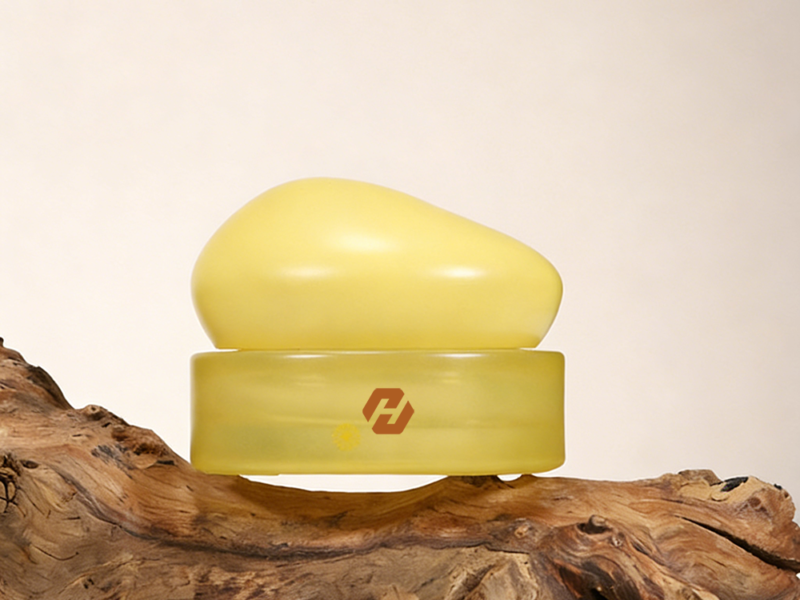
The transition from a boutique beauty concept to a market-ready brand relies heavily on the structural integrity and aesthetic precision of your primary packaging. In the global beauty industry, Original Equipment Manufacturing (OEM) is the backbone of brand scalability. However, “OEM” is more than a procurement label; it is a collaborative engineering process that transforms raw materials like PMMA, PP, and PET into high-performance delivery systems for skincare and cosmetics.
For brand owners and procurement managers, understanding the technical nuances of the OEM workflow is essential to mitigate risks, control costs, and ensure chemical compatibility between the formula and the vessel.
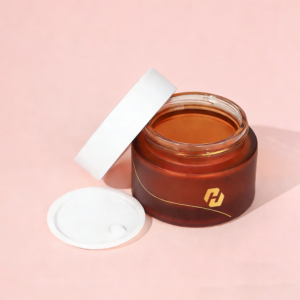
The Technical Workflow: From CAD Design to Mass Production
The cosmetic packaging OEM process is a multi-stage engineering cycle. It begins long before a jar or bottle reaches the filling line.
1. Design for Manufacturing (DFM)
Professional OEM begins with blueprints. Engineers evaluate the 3D designs to ensure the geometry is compatible with injection molding or blow molding processes. During this phase, we analyze wall thickness to prevent “sink marks” (depressions in the plastic) and ensure that thread specifications—such as 18/410 or 24/410—match the intended dispensing pumps or caps perfectly.
2. Tooling and Mold Construction
The most critical investment in OEM is the mold. High-precision steel molds are required for consistent output. For brands looking for unique shapes, custom tooling is necessary. If a brand chooses “Private Label” (using existing molds), the focus shifts to secondary processes like color matching and surface decoration.
3. Material Selection and Compatibility Testing
The choice of material isn’t just about look; it’s about chemistry. A luxury face cream containing high concentrations of essential oils may degrade certain low-grade plastics. OEM partners typically provide samples for stability testing to ensure the container does not leach chemicals or crack under stress.
Critical Material Standards in OEM Packaging
Selecting the right substrate is the most significant cost and performance driver in your supply chain. Based on industry standards and specialized cosmetic jar categories, materials are generally categorized by their physical properties:
| Material | Aesthetic Quality | Chemical Resistance | Sustainability | Common Use Case |
| PMMA (Acrylic) | High (Glass-like) | Moderate | Low | Luxury Eye Creams, Night Creams |
| PP (Polypropylene) | Moderate | Excellent | High | Eco-friendly jars, Inner liners |
| PET/PETG | High Clarity | Good | Recyclable | Serums, Toners, Clear Jars |
| Glass | Premium/Heavy | Superior | Infinite Recyclability | High-end organic skincare |
For instance, high-end brands often utilize Double-Wall Jars. This construction typically features an outer wall of Acrylic for a premium, heavy feel, paired with a PP inner liner that offers superior chemical resistance to protect the formula.
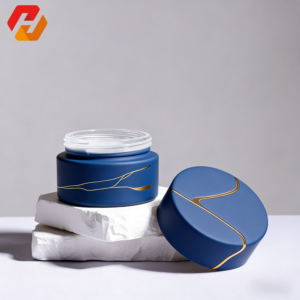
Customization and Surface Decoration Technologies
In an OEM partnership, the “blank” container is customized to reflect the brand’s DNA. This involves several sophisticated technical applications:
-
Silk Screen Printing: Best for bold, solid colors and tactile finishes. It offers high durability against the oils found in cosmetic formulas.
-
Hot Stamping: Utilizes heat and foil to create metallic finishes (gold, silver, rose gold). Essential for the prestige market segment.
-
UV Coating & Metallization: Provides a vacuum-plated metallic look or a high-gloss protective layer that prevents scratching.
-
Frosted & Matte Finishes: Achieved through acid etching (for glass) or specialized spray coatings to create a soft-touch, premium aesthetic.
Navigating Procurement: MOQ and Lead Times
Because OEM production involves setting up complex machinery and potentially creating custom molds, manufacturers operate under specific commercial constraints.
-
Minimum Order Quantities (MOQ): For standard colors, MOQs may start at 3,000–5,000 units. However, for custom-colored resins (Pantone matched) or unique shapes requiring new tooling, MOQs typically rise to 10,000 units or more to offset the machine calibration costs.
-
Lead Times: A standard OEM cycle usually spans 30 to 45 days. If custom molds are required, add an additional 25–35 days for mold fabrication and T1 sampling.
-
Sampling Protocols: Before mass production, a “Pre-Production Sample” (PPS) is signed off. This becomes the “Golden Sample” against which all future quality inspections are measured.
Quality Control and Compliance Standards
A reputable OEM partner must adhere to rigorous quality management systems. In the packaging sector, this involves:
-
Vacuum Leak Testing: Ensuring that jars and bottles remain airtight, especially for products shipped via air freight where pressure changes occur.
-
Torque Testing: Measuring the force required to open and close caps to ensure consumer ease-of-use while maintaining a seal.
-
BPA & REACH Compliance: Ensuring that plastics do not contain restricted substances, particularly for brands exporting to the EU or North American markets.
-
ISO 9001 Certification: Verification that the factory follows a standardized process for production and defect management.
Choosing the Right OEM Partner for Your Brand
When evaluating a supplier, look beyond the price per unit. Consider their Engineering Support. A high-value OEM partner will identify potential design flaws—such as a neck finish that is too narrow for a high-viscosity lotion—before the mold is cut.
Strategic sourcing involves balancing aesthetic goals with functional reality. By leveraging the technical expertise of a dedicated packaging manufacturer, brands can ensure their product not only looks exceptional on the shelf but performs flawlessly in the hands of the consumer.
FAQ: Common OEM Packaging Questions
Q1: What is the difference between OEM and ODM in packaging?
OEM (Original Equipment Manufacturing) refers to a manufacturer producing a product based on the customer’s specific design or modifications to an existing design. ODM (Original Design Manufacturing) involves the manufacturer designing the product from scratch, which the brand then “white labels.”
Q2: How do I ensure my formula won’t react with the plastic jar?
Always request a “compatibility test.” This involves placing your formula in the target container for 4–8 weeks at elevated temperatures (usually 40°C-45°C) to simulate shelf-life aging and check for discoloration, warping, or chemical migration.
Q3: Can I get custom colors for my packaging?
Yes. In the OEM model, we use Pantone color matching. You provide a Pantone code, and we mix the masterbatch (color pigment) with the raw resin (PP/PET/Acrylic) during the injection process.
Q4: Why is the MOQ for custom colors higher than for clear or white?
When changing colors, the injection molding machines must be completely purged of the previous color resin, which results in material waste and downtime. Higher MOQs are necessary to cover these setup costs.
Q5: Are sustainable packaging options available through OEM?
Absolutely. Modern OEM involves the use of PCR (Post-Consumer Recycled) plastics and bio-based resins. We can also engineer “Refillable” jar systems where a durable outer jar is reused while a thin-walled inner pod is replaced.
Reference Sources
-
ISO 9001:2015: Quality management systems — Requirements.
-
ASTM D3475: Standard Classification of Child-Resistant Packages.
-
REACH Regulation: Registration, Evaluation, Authorisation and Restriction of Chemicals (EU).
-
Sustainable Packaging Coalition (SPC): Guidelines on plastic recyclability and PCR integration.