
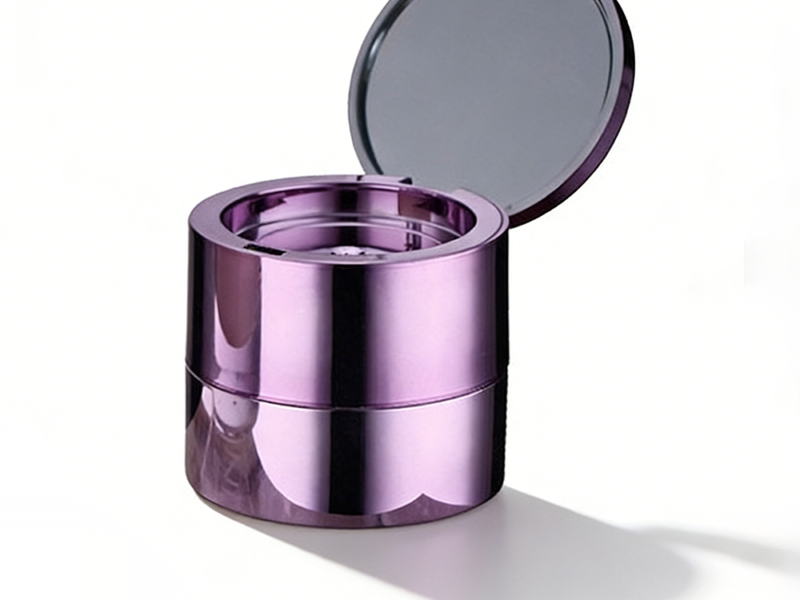
Selecting a cosmetic packaging supplier is not merely a procurement task; it is a critical engineering decision that dictates your product’s shelf life, chemical stability, and consumer safety. A mismatch between a formula and its housing—such as a high-pH serum in a low-grade plastic jar—can lead to leaching, oxidation, or catastrophic packaging failure.
In the B2B manufacturing landscape, “the best” supplier is rarely the one with the lowest quote. Instead, it is the partner who demonstrates mastery over resin selection, injection molding tolerances, and decoration durability. This guide outlines the technical and commercial frameworks necessary to audit a supplier effectively.
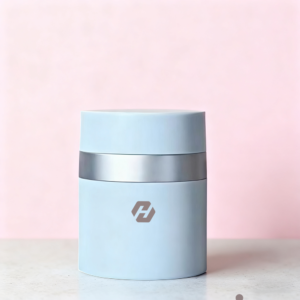
1. Assessing Material Expertise and Chemical Compatibility
The most common point of failure in cosmetic launches is chemical incompatibility. A sophisticated supplier must do more than provide a catalog; they must understand the molecular interaction between your formula and their materials.
Common Primary Materials in Cosmetic Jars:
-
PET (Polyethylene Terephthalate): High clarity and excellent moisture barrier. Ideal for oils and alcohol-based products, but sensitive to high temperatures during the filling process.
-
PP (Polypropylene): Superior chemical resistance and heat tolerance. This is the industry standard for creams and masks that require “hot fill” capabilities.
-
Acrylic (PMMA): Provides a glass-like aesthetic with high impact resistance. Often used in double-wall jars to create a premium, heavy-weight feel without the fragility of glass.
-
PCR (Post-Consumer Recycled) Plastics: Increasingly requested for ESG compliance. A technical supplier must verify the purity of PCR resins to ensure they meet FDA/EU safety standards for cosmetic contact.
When evaluating a supplier, ask for their Material Safety Data Sheets (MSDS) and technical data on oxygen transmission rates (OTR). A supplier like Hyrun Packaging, which offers a diverse range of jar architectures, understands that the choice between a single-wall and a double-wall jar is often driven as much by formula protection as it is by brand positioning.
2. Manufacturing Precision and Tooling Capabilities
The structural integrity of a cosmetic jar—especially the threading and the seal—depends on the precision of the injection molding process. Inconsistent wall thickness can lead to “sink marks” or structural weakness, while poor mold maintenance results in “flash” (excess plastic) on the parting lines.
Technical Audit Checklist for the Factory Floor:
-
Mold Cavitation: High-volume suppliers should use multi-cavity molds to ensure consistency across millions of units while reducing unit costs.
-
Vacuum Leak Testing: Does the supplier perform standardized vacuum tests (e.g., ASTM D3078) to ensure that lids and liners maintain an airtight seal?
-
Closure Torque Specifications: A professional supplier provides precise torque recommendations for your filling line to prevent over-tightening or leakage during transit.
If your product utilizes Airless Technology, the audit becomes even more stringent. Airless jars rely on a piston mechanism; even a micron-level deviation in the cylinder’s diameter can cause the pump to prime poorly or fail entirely.
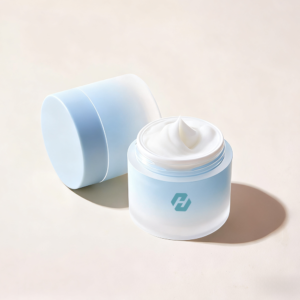
3. Customization and Decoration Durability
In the cosmetic industry, the packaging is the salesperson. However, aesthetic beauty must be matched by physical durability. Suppliers should offer a range of decoration techniques backed by “adhesion testing.”
| Decoration Method | Best Use Case | Technical Consideration |
| Silk Screen Printing | High-contrast logos | Requires UV curing to prevent ink peeling. |
| Hot Stamping | Metallic accents | Pressure and heat must be calibrated to avoid deforming the plastic. |
| Matte/Frost Spraying | Premium texture | Must be resistant to the oils within the formula. |
| Electroplating | Chrome/Gold finishes | Prone to scratching; requires a high-quality protective topcoat. |
Ask potential suppliers for “Crockmeter” test results or “Tape Tests” (ASTM D3359) to ensure that your branding won’t rub off when exposed to the essential oils or surfactants in your product.
4. Evaluating Lead Times and Supply Chain Resilience
In a commercial context, a supplier’s production capacity is as important as their quality. A “stock” jar might have a lead time of 2–4 weeks, while a custom-molded jar can take 12–16 weeks including mold fabrication and sampling.
Key Procurement Questions:
-
What is the MOQ (Minimum Order Quantity)? For custom colors or materials, MOQs often start at 5,000 to 10,000 units.
-
What is the “Safety Stock” policy? Does the supplier hold buffer inventory to mitigate sudden spikes in demand?
-
Are they the manufacturer or a trader? Working directly with a manufacturer like Hyrun Packaging typically reduces communication lag and provides more transparency regarding raw material origins and quality control logs.
5. Compliance and Quality Management Systems (QMS)
Cosmetic packaging must comply with global safety regulations, especially regarding heavy metals and Phthalates. A reputable supplier should hold certifications that prove their commitment to international standards:
-
ISO 9001:2015: Ensures a consistent quality management system.
-
ISO 14001: Demonstrates environmental management standards.
-
SGS/Intertek Reports: Independent verification of material purity and safety.
Before finalizing a contract, request a Certificate of Analysis (COA) for the specific batch of resins used in your production run. This is a non-negotiable requirement for brands looking to enter highly regulated markets like the EU or the US.
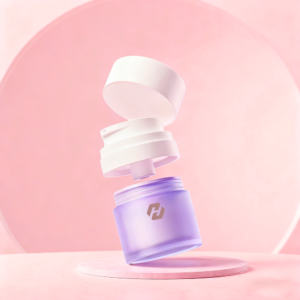
Summary: The Path to a Successful Partnership
Choosing a cosmetic packaging supplier is about finding a balance between engineering capability and commercial viability. You need a partner who can provide:
-
Material Guidance: Preventing formula interaction issues before they occur.
-
Scalable Production: Moving from initial prototypes to million-unit runs without quality drift.
-
Proactive Communication: Identifying potential design flaws—such as sharp internal corners that trap product—during the sampling phase.
By focusing on these technical benchmarks rather than just the price per unit, you protect your brand’s reputation and ensure a smooth path from the factory floor to the retail shelf.
FAQ
Q1: How do I know if my formula is compatible with a specific plastic jar?
Compatibility testing is mandatory. You should perform “Stress Cracking Tests” where the packaging is filled with your formula and placed in a high-temperature oven (40°C–45°C) for 4–12 weeks. This accelerates the aging process to see if the plastic softens, discolors, or cracks.
Q2: What is the difference between a single-wall and double-wall jar?
A single-wall jar is a one-piece construction, typically more cost-effective and lightweight. A double-wall jar consists of an inner “well” (usually PP for compatibility) and an outer “shell” (usually Acrylic or PETG for aesthetics). Double-wall jars offer better insulation and a more luxurious hand-feel.
Q3: Why are lead times for custom colors so much longer?
Custom colors require a “color match” process using Masterbatch resins. Once the color is approved, the injection molding machines must be thoroughly cleaned (purged) of previous colors, which is a time-consuming process that manufacturers schedule carefully.
Q4: Can I use the same supplier for jars and pumps/sprayers?
While many suppliers specialize in one type, a “Turnkey” supplier or a manufacturer with integrated assembly capabilities (like Hyrun’s range of cosmetic jars and closures) is often better. This ensures that the thread pitch and “neck finish” of the jar match the closure perfectly, preventing leaks.
Reference Sources
-
ISO 9001:2015 – Quality Management Systems
-
ASTM D3078 – Standard Test Method for Determination of Leaks in Flexible Packaging by Bubble Emission
-
FDA Cosmetic Packaging Regulations – Safety and labeling requirements for cosmetic containers
-
Sustainable Packaging Coalition (SPC) – Guidelines for PCR plastic usage in beauty packaging.