
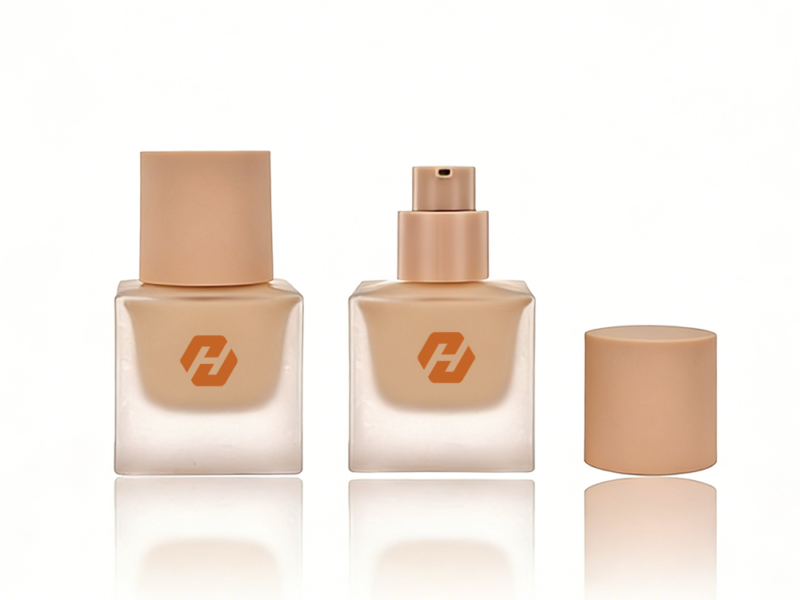
Developing successful cosmetic products requires precise packaging selection. Liquid formulas demand containers that prevent oxidation while ensuring accurate dispensing. B2B buyers must balance material compatibility, aesthetic finishes, and production scalability.
This guide covers technical considerations for foundation packaging. We evaluate dispensing mechanisms, material properties, and OEM sourcing workflows. Proper packaging extends product shelf life.
Selecting the right components directly impacts consumer satisfaction. A malfunctioning pump destroys brand reputation. This document provides actionable procurement criteria for cosmetic brands, engineers, and project managers.
Why Airless Pump Bottles Dominate Liquid Foundation Packaging
Liquid foundations often contain sensitive active ingredients. Exposure to oxygen degrades formula stability and alters pigmentation. Airless pump bottles solve this issue through a specialized vacuum mechanism.
A piston at the bottle base rises as the user presses the pump. This pushes the foundation upward without allowing air into the chamber. The design achieves a 99 percent product evacuation rate.
Engineers prefer airless systems for high-viscosity makeup products. The mechanism eliminates the need for standard dip tubes. This prevents formula buildup and internal clogging.
Airless packaging also reduces the need for synthetic preservatives. Minimizing oxygen exposure keeps botanical extracts and antioxidants active longer. This feature appeals directly to clean beauty brands.
The structure consists of an outer shell, an inner pouch or cylinder, and a pump engine. Luxury brands often use dual-chamber airless bottles. These mix two distinct foundation shades or serum formulas upon dispensing.
Material Selection: Glass vs. Plastic Foundation Bottles
Cosmetic packaging must resist chemical interactions with makeup formulas. Brands typically choose between premium glass and engineered plastics. Each material presents distinct manufacturing and commercial tradeoffs.
| Material | Chemical Resistance | Weight | Primary Application | Target Market |
| Flint Glass | Excellent | Heavy | Liquid foundation, serums | Luxury, High-end |
| PET Plastic | Good | Lightweight | Travel-size makeup | Mass market |
| Polypropylene (PP) | Very Good | Lightweight | Pump heads, caps | All markets |
| Acrylic (PMMA) | Moderate | Medium | Outer jars, shells | Premium, Prestige |
| PCR Plastic | Varies | Lightweight | Eco-friendly lines | Sustainable brands |
Glass bottles offer superior barrier properties against oxygen and moisture. They remain the standard for luxury foundation packaging due to their substantial weight. However, glass requires robust secondary packaging to prevent transit breakage.
Plastics like PET and HDPE offer shatter-resistant alternatives. They allow for flexible blow molding and reduce bulk shipping costs. Laboratory testing is necessary to ensure UV filters do not degrade the plastic over time.
Acrylic provides the high-gloss appearance of glass without the fragility. Manufacturers often use it for thick-walled outer layers. It scratches easily and requires protective wrapping during transit.
Matching Dispensing Mechanisms to Makeup Applications
Viscosity dictates the appropriate dispensing mechanism. A structural mismatch causes user frustration and excessive product waste. Packaging engineers match pump specifications to specific fluid dynamics.
-
Lotion Pumps: Ideal for medium-viscosity liquid foundations. They offer controlled dosing, dispensing 0.2cc to 0.5cc per stroke.
-
Glass Droppers: Suited for ultra-fluid or oil-based serum foundations. Glass pipettes allow users to apply exact drops directly to the skin.
-
Squeeze Tubes: Best for thick concealers and tinted moisturizers. They provide excellent portability and low manufacturing costs.
-
Foamer Pumps: Used for specialized aerated primers and mousses. They mix liquid with air to create a lightweight texture.
Spring mechanics inside the pump head require careful material selection. Metal springs must not touch the liquid foundation directly. Outer-spring designs prevent oxidation and heavy metal contamination.
Pump lock mechanisms are vital for travel-friendly products. Twist-lock and overcap designs prevent accidental dispensing in transit. Buyers must specify their preferred locking style during the RFQ process.
How to Evaluate Cosmetic Packaging Customization
Surface treatments differentiate brands on crowded retail shelves. OEM manufacturers offer multiple secondary processing options for foundation packaging. These treatments must withstand daily handling and cosmetic residue.
-
Silk-Screen Printing: Applies UV ink directly to the bottle surface. It provides durable, high-contrast text for ingredient lists.
-
Hot Stamping: Transfers metallic foils onto the packaging via heat. This technique creates premium gold, silver, or rose gold logos.
-
Frosted Finishes: Acid etching or spray coating dulls the glass. It hides fingerprints and protects light-sensitive formulas from UV rays.
-
Color Coating: Applies custom Pantone colors via spray painting. Buyers can specify matte, glossy, pearlescent, or gradient finishes.
Durability testing is critical for customized surfaces. The tape test ensures ink adhesion remains strong. Immersion tests verify the coating resists makeup oils and silicone bases.
Labeling provides a cost-effective alternative for startup brands. Waterproof pressure-sensitive labels resist moisture in bathroom environments. Automated labeling requires precise bottle geometry for smooth application.
Dimensional Standards and Assembly Tolerances
Neck sizes determine compatibility between bottles and closures. Foundation packaging typically follows standard neck finishes like 18/415 or 20/410. The first number represents the outer diameter in millimeters.
Mismatched threads cause micro-leaks during air transit. Engineers specify acceptable dimensional tolerances during tooling design. Plastic threads shrink slightly during cooling, requiring careful calibration.
Gaskets play a crucial role in preventing leaks. Polyethylene foam or silicone liners compress to form an airtight seal. Compatibility tests ensure the foundation formula does not degrade the gasket material.
Assembly torque must follow standard specifications. Overtightening damages the plastic threads and causes stress cracking. Undertightening results in messy product leakage.
B2B Sourcing and RFQ Workflow for Foundation Packaging
Sourcing packaging at scale requires strict vendor evaluation. B2B buyers must assess production capacity, tooling costs, and quality control systems. A structured RFQ ensures accurate pricing and firm lead time expectations.
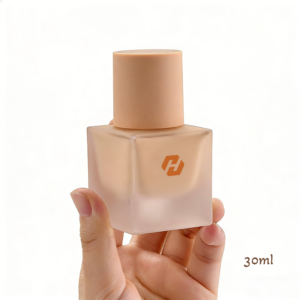
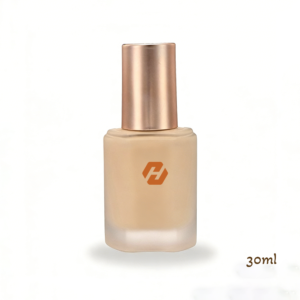
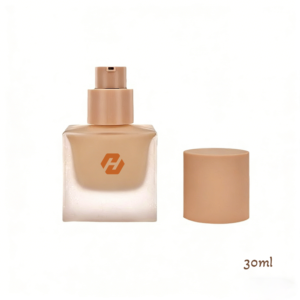
When evaluating suppliers, specialized capabilities matter. For instance, Hyrun Packaging provides versatile solutions like 30ml glass pump bottles and 250ml airless pump bottles. These containers accommodate various liquid foundations, makeup primers, and concealers.
Their manufacturing setup supports flexible commercial requirements. Standard industry operations usually enforce a Minimum Order Quantity (MOQ) of 5,000 pieces per custom design. Production lead times typically range from 20 to 25 days depending on complexity.
Brands should request stock samples to test pump functionality before mass production. Suppliers handling both glass bottles and PP pump heads ensure tighter assembly tolerances. This single-source approach prevents leakage during high-altitude shipping.
Quality control documentation should accompany bulk shipments. Buyers should request certificates of compliance for materials. AQL (Acceptable Quality Level) inspections determine the maximum allowed defect rate per batch.
FAQ
What is the standard MOQ for custom foundation packaging?
Most OEM manufacturers require an MOQ of 5,000 pieces per custom design. This volume justifies the setup costs for custom Pantone coloring, silk-screen printing, or hot stamping. Smaller runs often incur significant unit cost premiums.
How do I request a custom Pantone color for cosmetic bottles?
Buyers must provide the exact Pantone matching system (PMS) code during the RFQ stage. The supplier will produce a pre-production sample for color verification. Mass manufacturing begins only after the buyer approves the physical sample.
What testing is required for cosmetic glass bottles?
Manufacturers perform vacuum leak tests to ensure seal integrity under pressure changes. Drop testing simulates shipping impacts. Compatibility testing verifies the packaging does not react chemically with the foundation formula.
How long does OEM packaging production take?
Standard lead times range from 20 to 25 days after sample approval. Custom mold creation or specialized surface treatments may extend this timeline. Always factor in transit times for international freight shipping.
Can plastic foundation components be recycled?
Mono-material components made entirely of Polypropylene (PP) or Polyethylene Terephthalate (PET) offer high recyclability. Mixed-material pump heads containing metal springs require complex disassembly before recycling. Brands increasingly prefer springless plastic pumps for sustainability.
Reference Sources
-
ASTM D3359-23: Standard Test Methods for Rating Adhesion by Tape Test.
-
ISO 22715:2006: Cosmetics — Packaging and labelling.
-
FDA: Cosmetic Packaging and Labeling Guide.
-
Packaging Machinery Manufacturers Institute (PMMI): Liquid Filling Capabilities.