
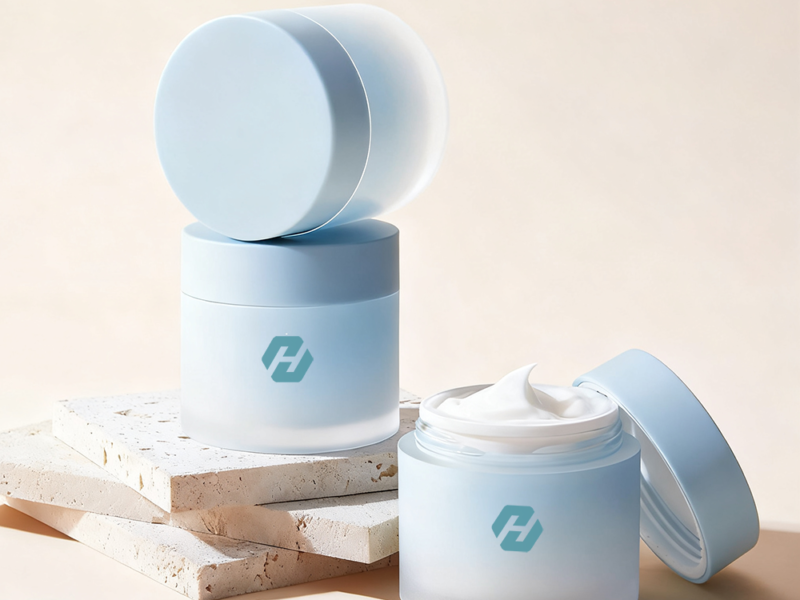
The first physical touchpoint a consumer has with a beauty brand isn’t the formula—it is the container. In a market saturated with “clean beauty” and “luxury clinical” aesthetics, custom cosmetic packaging has evolved from a simple logistical necessity into a core driver of brand equity and product preservation.
Choosing the right packaging involves more than selecting a color palette. It requires an understanding of material compatibility, manufacturing constraints, and supply chain scalability. For brand managers and procurement specialists, navigating these technicalities is essential to ensuring a product not only looks premium but performs consistently throughout its shelf life.
The Strategic Value of Customization in Beauty
Standard stock packaging often fails to convey the unique value proposition of a high-end formulation. Customization allows brands to engineer the user experience. Whether it is the weighted feel of a glass jar or the precise dispensing of an airless pump, these tactile elements build consumer trust.
From a commercial perspective, custom solutions solve specific pain points:
-
Formula Protection: Preventing oxidation in vitamin C serums or contamination in preservative-free creams.
-
Brand Differentiation: Breaking away from the “me-too” aesthetic of generic stock components.
-
Sustainability Goals: Implementing PCR (Post-Consumer Recycled) plastics or refillable systems to meet ESG mandates.
Material Engineering: Matching Packaging to Formulation
Selecting the base material is the most critical decision in the development process. Each material offers different chemical resistance, clarity, and perceived value.
1. Acrylic (PMMA) Jars
Acrylic is a favorite for luxury skincare. It provides the visual depth of glass but with the durability of plastic. Manufacturers often use a “double-wall” construction, where an inner PP (Polypropylene) cup holds the formula, and an outer acrylic shell provides the premium aesthetic.
-
Best for: High-end anti-aging creams and eye balms.
-
Advantage: High impact resistance and exceptional clarity.
2. Glass Packaging
Glass remains the gold standard for high-performance actives. It is chemically inert, meaning there is zero risk of leaching or reaction with the formula.
-
Best for: Essential oils, serums, and luxury night creams.
-
Advantage: 100% recyclable and non-porous.
3. Polypropylene (PP) and PETG
These are the workhorses of the mass-prestige market. PP is highly resistant to chemicals and heat, making it the ideal material for internal components like liners and pumps.
-
Best for: Large-volume moisturizers and cleansers.
-
Advantage: Cost-effective and compatible with almost all cosmetic ingredients.
Technical Comparison: Cosmetic Jar Materials
| Material | Transparency | Chemical Resistance | Durability | Sustainability |
| Acrylic (PMMA) | Excellent | Moderate | High | Low (unless PCR) |
| Glass | High | Excellent | Low (Fragile) | High (Recyclable) |
| PP (Polypropylene) | Translucent | Excellent | High | High (Recyclable) |
| PETG | High | Good | High | Moderate |
Customization Techniques and Manufacturing Logic
Once the substrate is chosen, the decoration process defines the brand’s visual identity. As a procurement consultant would advise, the choice of technique depends heavily on the production volume and the desired finish.
-
Silk-Screen Printing: Ideal for bold, tactile logos. It offers high opacity and works well on both glass and plastic.
-
Hot Stamping: Used for metallic finishes (gold, silver, rose gold). This is a heat-transfer process that provides a high-shine effect impossible to achieve with standard ink.
-
UV Coating & Electroplating: This creates a mirrored or metallic finish across the entire surface of a cap or jar. It is frequently seen in “clinical” or “tech-focused” beauty brands.
-
Frosting/Matte Finishes: Achieved through acid etching (glass) or specialized sprays (plastic). Matte textures reduce fingerprinting and suggest a sophisticated, understated luxury.
Navigating the Manufacturing Workflow
For brands looking to scale, understanding the transition from design to mass production is vital. When evaluating custom cosmetic jars, project managers must account for:
-
Tooling and Molds: If your design requires a unique shape not found in a supplier’s catalog, you will need to invest in a custom mold. This involves a significant upfront cost but ensures total market exclusivity.
-
Compatibility Testing: Never skip this step. Certain fragrances or active ingredients can cause plastic to craze (crack) or lead to “bleeding” through the container.
-
Lead Times: Custom production typically takes 35–50 days after sample approval. Planning 6 months ahead of a launch is standard for established brands.
Evaluating a Packaging Partner: Beyond the Price Tag
In the B2B space, the lowest price per unit often hides risks like high rejection rates or inconsistent color matching between batches. A reliable manufacturing partner should offer:
-
Quality Control (QC) Protocols: Strict AQL (Acceptance Quality Limit) standards for surface scratches, cap torque, and seal integrity.
-
Compliance Support: Ensuring materials are BPA-free and meet FDA or REACH standards for cosmetic contact.
-
Scalability: The ability to handle small-batch runs for a launch (e.g., 5,000 units) while having the capacity to scale to 100,000+ units as the brand grows.
The Shift Toward Sustainable Customization
The modern consumer demands environmental accountability. Custom packaging now focuses on “Mono-material” designs—where the entire jar and cap are made from the same plastic family (e.g., all PP)—making the item 100% recyclable without disassembly. Brands are also increasingly adopting PCR materials, which reduce the reliance on virgin plastics while maintaining a high-quality feel.
FAQ
What is the typical MOQ for custom cosmetic packaging?
For custom colors or basic silk-screening on stock shapes, MOQs usually start at 3,000 to 5,000 units. If a completely custom mold is required, MOQs typically rise to 10,000 units or more to offset the engineering costs.
How do I ensure my formula won’t react with the plastic?
Request a “Compatibility Test” from your manufacturer. You provide the formula, and the supplier places it in the packaging under high-temperature/high-humidity conditions (accelerated aging) to check for leaks, discoloration, or structural changes.
What is the difference between PCR and Virgin Plastic?
PCR (Post-Consumer Recycled) plastic is made from recycled waste. While it is more sustainable, it may have a slight grey or yellow tint compared to the “water-clear” appearance of virgin plastic. Many brands use a 30% to 50% PCR blend to balance sustainability with aesthetics.
How long does it take to get a custom sample?
Prototype samples (3D printed or CNC machined) can be produced in 7–10 days. Pre-production samples using actual materials and colors usually take 15–20 days.
Reference Sources
-
ISO 22716: Good Manufacturing Practices (GMP) for Cosmetics.
-
ASTM D3475: Standard Classification of Child-Resistant Packages (Relevant for certain skincare actives).
-
Sustainable Packaging Coalition (SPC): Guidelines for PCR integration in beauty packaging.
-
SGS Technical Reports: Material safety data sheets for PMMA and PP resins.