
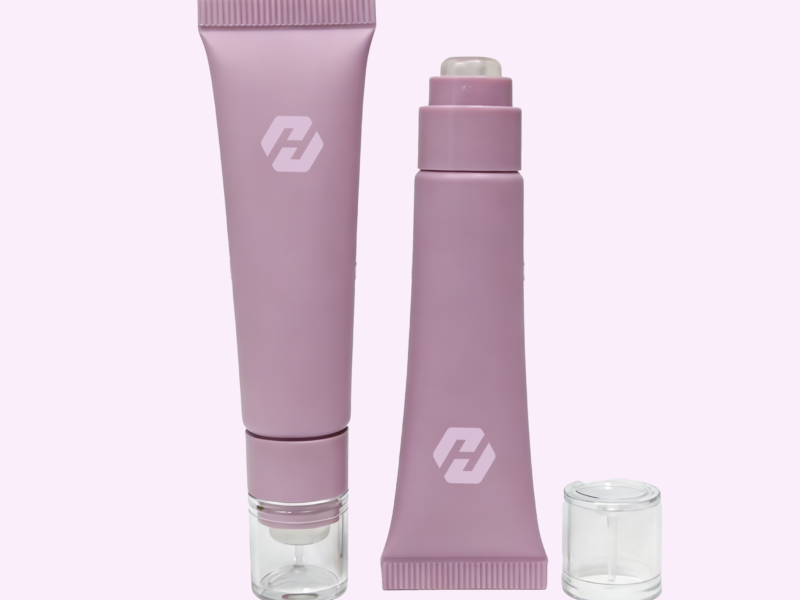
Transitioning to eco friendly lip balm tubes is a strategic move for cosmetic brands aiming to reduce plastic waste and align with modern consumer values. By selecting sustainable, high-quality packaging, you can significantly lower your environmental footprint while enhancing your brand’s market appeal.
Professional buyers must balance material performance, environmental claims, and aesthetic requirements to ensure their product succeeds on the retail shelf. This guide explores the technical and logistical considerations for integrating sustainable packaging into your supply chain.
1. Understanding Biodegradable Lip Balm Tubes
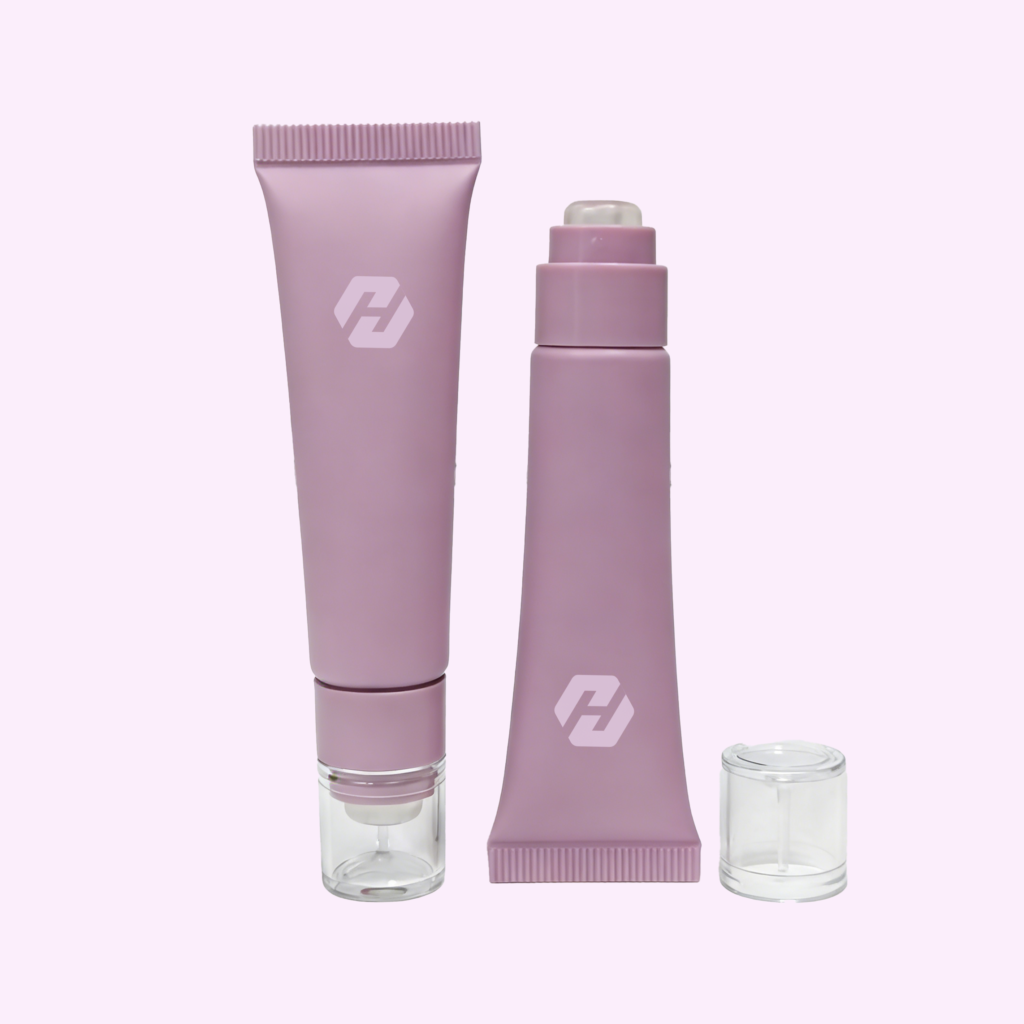
Biodegradable lip balm tubes are primarily crafted from plant-based fibers, such as FSC-certified paperboard or kraft paper. These materials offer a renewable, plastic-free alternative to traditional petroleum-based plastics that can persist in landfills for centuries.
Engineering for Performance
The structural integrity of these tubes is achieved through advanced manufacturing:
- Barrier Protection: Many modern designs incorporate food-grade plant wax liners. These internal coatings are essential to prevent oil seepage and ensure the formula remains protected from environmental contaminants.
- Stability: By utilizing high-density paperboard, these tubes maintain their shape during shipping and daily consumer use.
- Safety: These materials are designed to be non-toxic, ensuring that your lip care formula remains clean, fresh, and chemically stable.
2. Why Quality Matters for Custom Lip Balm Tubes
When ordering custom lip balm tubes, functionality must take priority alongside sustainability. A professional-grade tube should offer a smooth, reliable push-up mechanism that resists peeling and maintains its shape.
The User Experience
The interaction between the base and the tube wall is critical for customer satisfaction. It must be tight enough to prevent accidental movement but loose enough for an easy, tactile experience.
Branding and Aesthetics
High-quality custom printing—using soy-based or water-based inks—ensures that your branding remains vibrant while adhering to eco-friendly standards. Investing in these details establishes your brand as a leader in sustainable innovation and builds immediate trust with your target demographic.
3. Evaluating Eco Friendly Lip Balm Tubes Wholesale
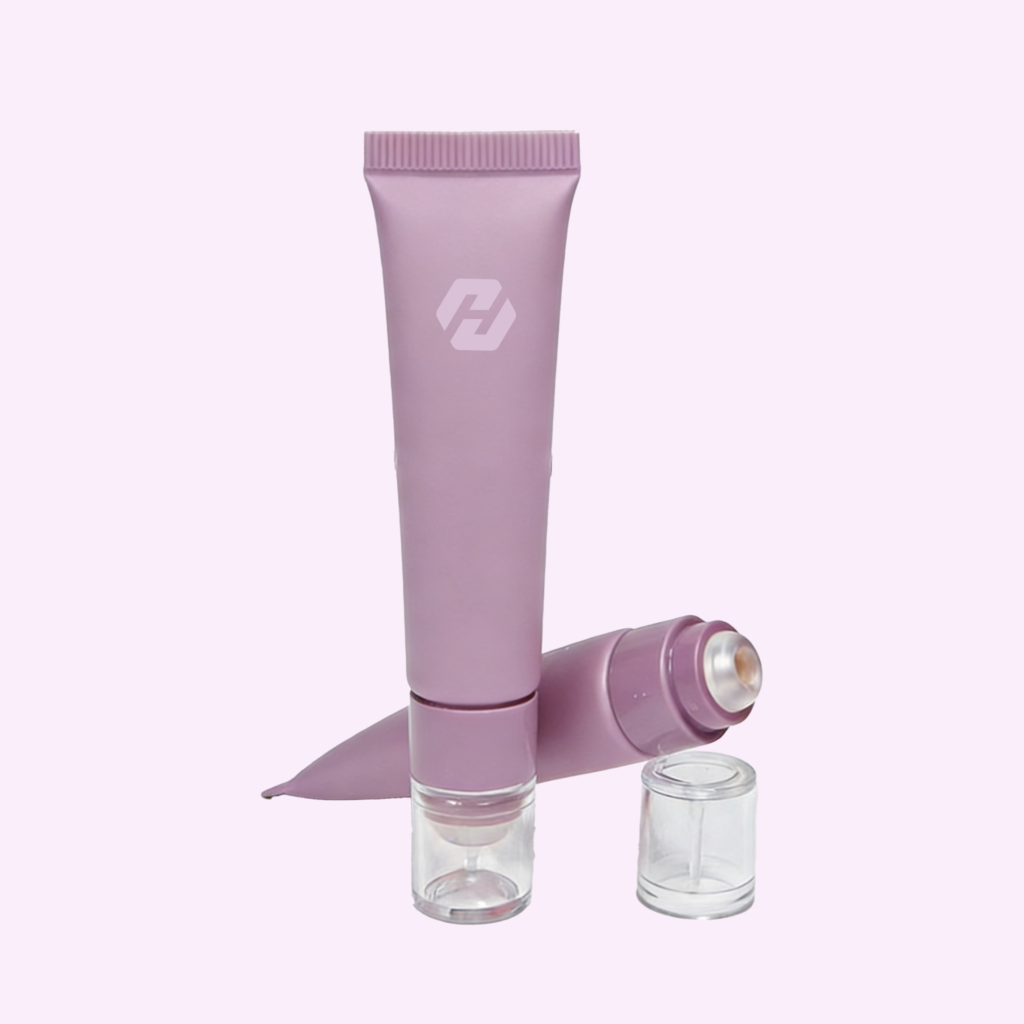
When sourcing eco friendly lip balm tubes wholesale, you should prioritize suppliers who demonstrate transparency regarding their raw materials and production processes. Reliability in the supply chain is just as important as the environmental credentials of the product.
The Verification Process
- Lifecycle Instructions: Look for packaging that features clear composting or recycling instructions. This transparency helps your customers dispose of the product responsibly, adding significant value to your brand narrative.
- Environmental Stress-Testing: It is crucial to test prototypes across various temperature ranges. This ensures the paperboard does not degrade or warp when exposed to the specific oils and waxes in your lip balm recipe.
- Avoiding Greenwashing: Prioritizing these technical requirements differentiates you from competitors who may use less rigorous, “greenwashed” packaging solutions.
4. Technical Considerations for Scaling Production
For brands scaling up production, transitioning from plastic to fiber-based tubes requires a thorough analysis of filling equipment compatibility.
Machine Compatibility
Standard automatic filling lines are often optimized for rigid plastic tubes. You must ensure that the diameter, wall thickness, and base fit of your paper tubes are compatible with your current machinery to avoid costly downtime.
Logistical Efficiency
Beyond the environmental benefits, fiber-based tubes offer logistical advantages. These tubes are often significantly lighter than their plastic counterparts, which can reduce carbon emissions and costs associated with shipping and large-scale distribution. Engaging with suppliers who provide detailed technical data sheets will allow your team to make evidence-based decisions, ensuring that the transition is both profitable and environmentally impactful.
Strategic Selection for Your Business
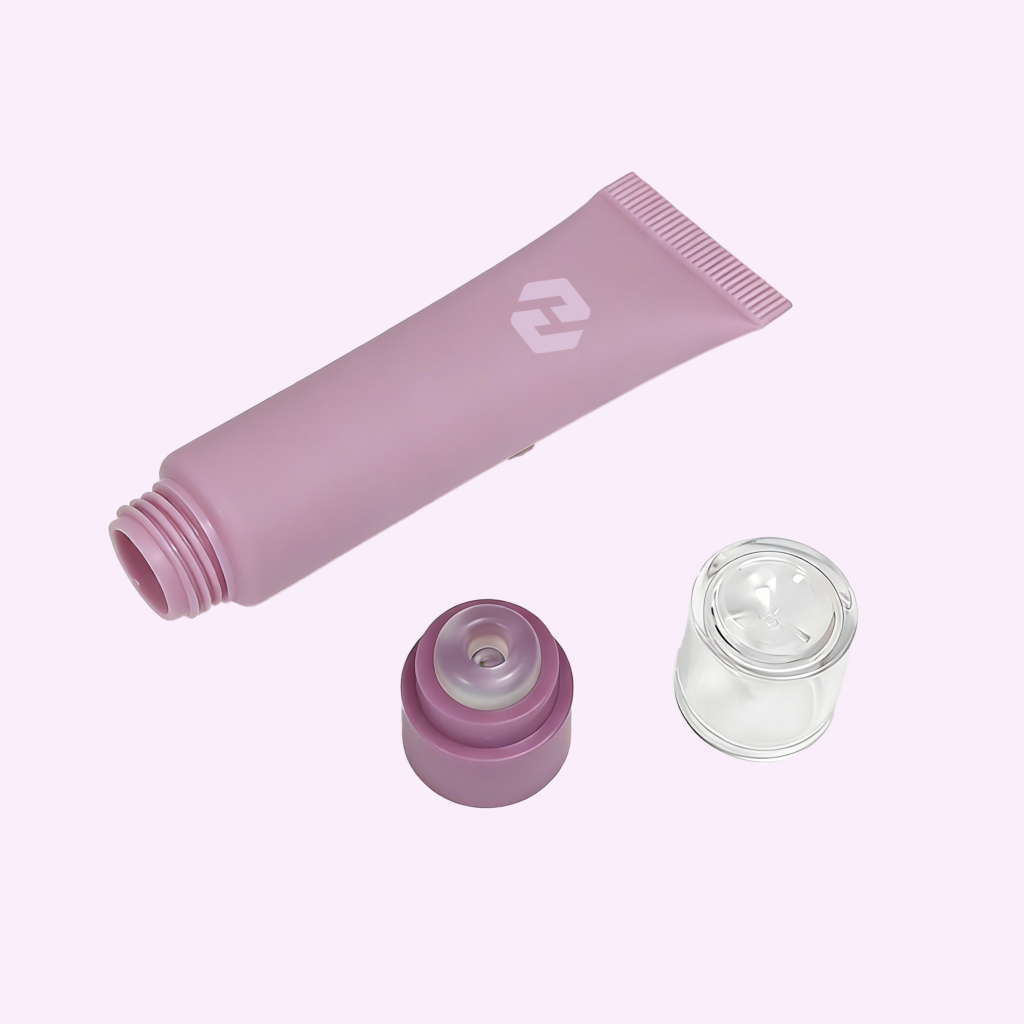
Selecting the ideal packaging requires matching your formula’s specific sensitivity to the material’s barrier properties. Consider the aesthetics of the tube’s finish—such as matte kraft or smooth white paper—to ensure it aligns with your brand’s visual identity.
For professional brands, the goal is to integrate functional, high-performance materials that provide a seamless user experience while minimizing environmental harm. You can explore a variety of biodegradable lip balm tubes designed to meet these exact professional standards. Choosing high-quality, sustainable tubes ensures that your brand effectively communicates its environmental values without compromising product performance.
FAQ
Q1: What makes a lip balm tube truly eco-friendly? A truly eco-friendly tube is made from renewable, plastic-free materials like FSC-certified paper or plant-based fibers that are certified compostable or recyclable.
Q2: Can biodegradable paper tubes effectively hold lip balm formulas? Yes, modern tubes use multi-layered construction and food-grade wax or plant-based liners to create effective moisture and oil barriers that rival plastic.
Q3: How do I choose between different custom packaging options? Choose based on your formula’s density, required shelf life, and your brand’s aesthetic goals, while ensuring the supplier provides proof of sustainable sourcing and technical compatibility.
Q4: Are these tubes suitable for all cosmetic formulations? Most oil-based or wax-based lip balms perform well in paper-based packaging, but you should always conduct compatibility testing to ensure the formulation does not soften the paper structure.
Reference Sources
FSC (Forest Stewardship Council): About FSC Certification. https://fsc.org
Biodegradable Products Institute (BPI): Understanding Compostable Standards. https://bpiworld.org
U.S. Food and Drug Administration (FDA): Cosmetic Labeling and Packaging Guidelines. https://fda.gov
Sustainable Packaging Coalition (SPC): Design for Recyclability Guidelines. https://sustainablepackaging.org